

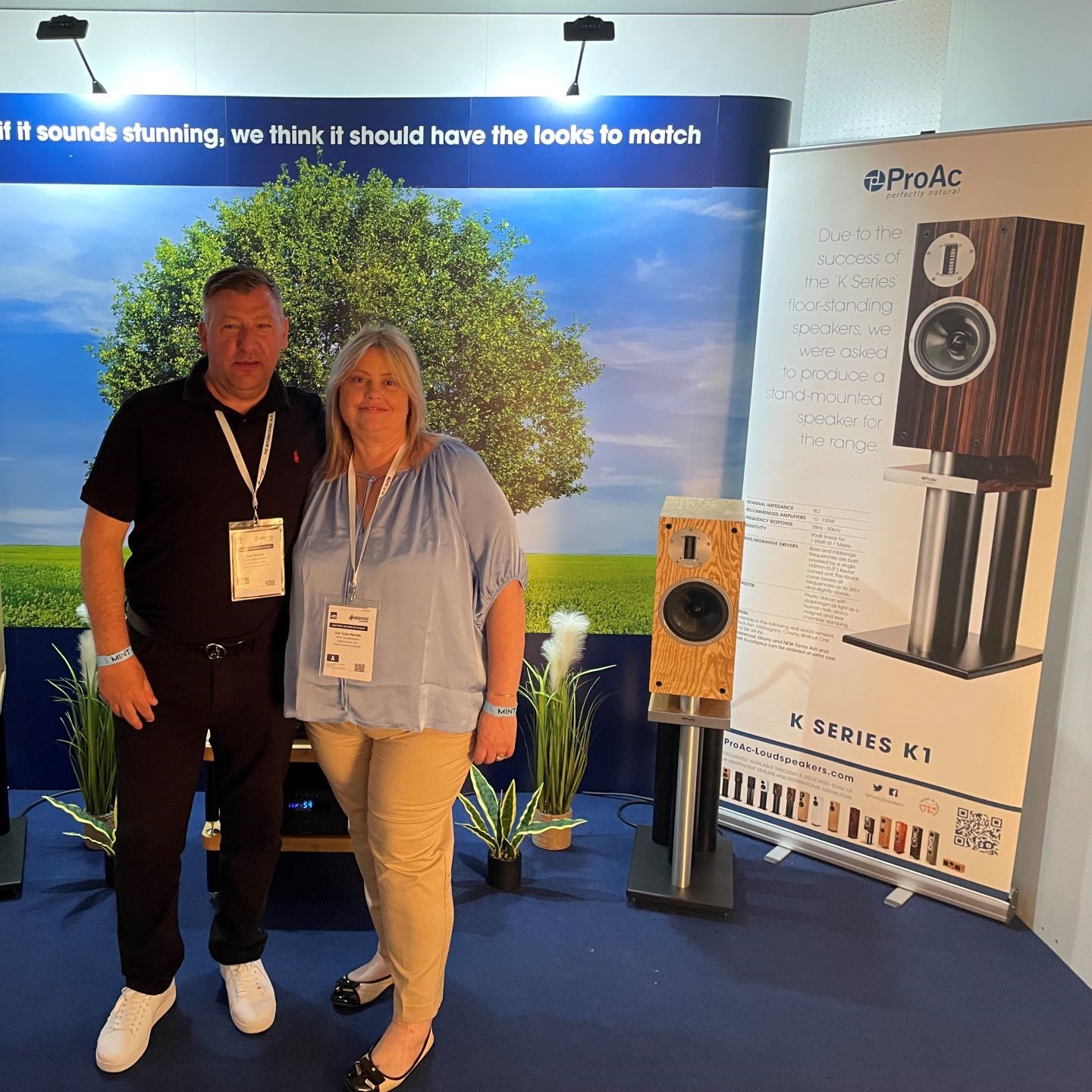
Not An Audiophile – The Podcast featuring Exclusive one-on-one interview with Zoe Tyler-Mardle of ProAc. Carrying on the family legacy of perfectly natural sound from a brand with heritage. Now and into the future.
Podcast transcripts below – Episode 048

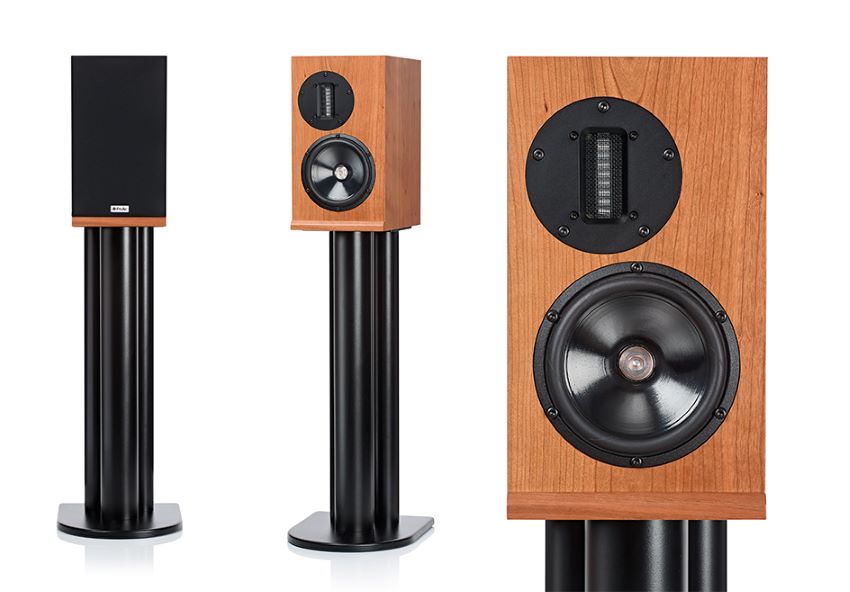
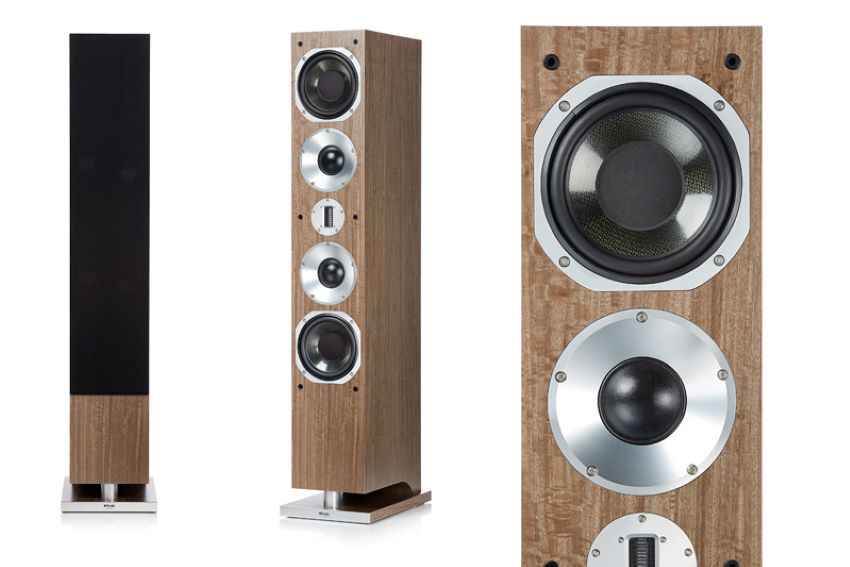
NEW RELEASE RESPONSE DB1R The Response DB1R takes performance to the next level with the introduction of ProAc’s ribbon tweeter technology.
The ribbon tweeter, lighter than a human hair, features rear-chamber damping and an alnico magnet, delivering exceptional high-frequency detail, speed and transparency.
TRANSCRIPT
S3 EP 048 ProAc – Perfectly natural sound through the generations
Zoe Tyler-Mardle: So one person will build a pair of speakers so it won’t be a case of one person will put drive units in and then it will be passed to somebody else for packing or it’ll be passed on to somebody else for measuring. One person builds that pair of speakers from scratch right through until they pack them in the box.
DeVORE FIDELITY SHOW PARTNER
Andrew Hutchison: Devore Fidelity, the show partner of not an Audiophile the podcast Devore Fidelity has become one of the most acclaimed high end companies in the world. And having heard the loudspeakers many times I know why they’re all still handcrafted in Brooklyn, New York. We love how this iconic brand captures the excitement and breath of the sound. Nothing brings you closer to the music than Devore Fidelity. For a retailer near you, visit Devore fidelity.com.
Introducing ProAc
And we are back. Not an audiophile. The Podcast Episode 48 Season 3 and today we speak to Zoe from Proac, a wonderful loudspeaker maker, based in the UK that has been building loudspeakers in the UK since the 70s. I guess they’re around 50 years old as seemingly every UK hi Fi company is. what a time to be alive in the early 70s when all of these amazing businesses started. equally amazingly so many of them still going and that’s because they make wonderful products. So Zoe fills us in on not just the history, which is all very interesting. of course her father started the company and had a particularly talented ear for a well executed crossover design and built a reputation on that cohesive and rather lovely sound. And in fact if there’s one thing I’d say about proac is read about it as much as you want. But you need to go and listen to a pair probably new or used. I mean they’re all excellent, they’ve been amazing for many years. But having recently heard the new ones I have to say they are delightful and I think I mentioned that in, in the interview. the thing that’s not covered in the interview is Zoe skirts around the issue of a new model. I think she mentions it from memory that it’s being released Bristol which of course just finished over the weekend the Bristol hi fi show in in Bristol, UK and one of the biggest shows in Europe and particularly for UK manufacturers and lots of new products released at Bristol this year. One of them being a new Proac, DB1R. Ah, so R is for ribbon. So there’s also a dome tweeter version of a DB1 and this is something that I wasn’t sure that Proac were going to continue with. They have a number of models where they offer both tweeter options and of course that of course involves twice as much work for them. You know, you have to develop a optimized crossover for the different tweeter and it kind of outwardly makes life seem more complicated for them, but for the client, it’s amazing because you can listen to the wonderful mid range and then it can be accented in the treble by either a ribbon or a dome Tweeter, depending on your preference. So once again come back comes back to go and have a listen. But yeah, little, I realized when I mentioned this subject to Zoe in the interview that you’re about to hear that whether she was continuing with the the jewel tweeter idea. Little did I realize that in fact she was doubling down on the idea. So we cover all sorts of aspects in the interview of the history and what’s happening now. But I I will mention it only one more time before we go straight to the interview which is Proac is mainly special because yes, they’re still made in the UK and the handcrafted and the quality control is exceptionally high as you are about to hear, but they sound stunning. Just go and find yourself a demonstration which is difficult to do. They are a smaller business. They’re not in every fish and chip shop. but thank you for listening like and subscribe as they say, if you’re enjoying the podcast, please help us get wonderful guests like Zoe on a regular basis. and now let’s listen to the Proac story from Zoe
MARCH AUDIO EPISODE SPONSOR
March Audio. March Audio is a proud episode sponsor of the not an audiophile podcast with a mission to provide superb technical performance and exceptional sound at modest prices. And Alan March has designed a range of power amplifiers, a preamplifier and a selection of stunning loudspeakers that you should check out now@marchaudio.com we’ve got Zoe Tyler- Mardle on the phone from Proac, in the UK near, well near Oxford really. Is that, is that the closest, I mean big town, do you think?
Zoe Tyler-Mardle: hello, Andrew. Yes, I suppose we’re quite central,
00:05:00
Zoe Tyler-Mardle: so we’re sort of halfway between Northampton and Oxford.
Andrew Hutchison: Yeah.
Zoe Tyler-Mardle: Okay, so, easily accessed from London about an hour. and then Birmingham’s probably about another hour the other way. So we’re quite central. So it looks quite.
Andrew Hutchison: Absolutely. And you’ve actually, you’ve Been in that factory for a long time, I think, haven’t you? Like, I’ll say, like since the 90s or something.
Zoe Tyler-Mardle: Yep. So my father purchased the first factory around about 1990.
Andrew Hutchison: Yeah, yeah.
PROAC HISTORY
Zoe Tyler-Mardle: and for a while we. We run the two operations. The one in Boro Wood, which was the original place we started manufacturing from, and we were running the factory at the same time. And gradually he moved out of Bournemouth and we were probably fully in Brackley by around about 1996, I would say.
Andrew Hutchison: Okay, so,
Zoe Tyler-Mardle: Yeah.
Andrew Hutchison: So you’ve been there for many years of, 30 years. Which, I mean, I guess those years. Years have just, you know, just flown. Flown, yes. As. As they do. I don’t know. I mean, everyone’s heard of, people who listen to this, podcast, are lovers of great equipment and therefore they will know the brand. I suppose. I mean, is it weird being part of a legend almost, you know, in the sense. Well, I mean. And it’s a very family business, which, I mean, I, I don’t have any secret information. The information is on your website. I’ve leafed through it. And I mean really, it’s kind of. Three generations of, your family have. Have been involved.
Zoe Tyler-Mardle: Yeah, it is. It. It’s actually more. Four generations.
Andrew Hutchison: Well, I was going to say if because of. Your children are involved as well now.
Zoe Tyler-Mardle: Or not so much. My daughter. My son is.
Andrew Hutchison: Yeah.
Zoe Tyler-Mardle: but, but yeah, it, it’s. It started with my father, obviously, and his. His parents.
Andrew Hutchison: Yes.
Zoe Tyler-Mardle: Back in the early 70s. And, it evolved over the years. I, I was at school and my boyfriend. job. I wasn’t quite sure what he wanted to do going forward.
Andrew Hutchison: Yes.
Zoe Tyler-Mardle: And, my dad was looking for someone younger to come and join them, and I got him a job with my dad as you do and.
Andrew Hutchison: Leveraging some power. Yes, yes. And he’s never.
Zoe Tyler-Mardle: So.
Andrew Hutchison: So was that John we’re talking about?
Zoe Tyler-Mardle: That’s John, yeah.
Andrew Hutchison: Oh, wow. He. He’s okay.
Zoe Tyler-Mardle: He’s worked with my dad since probably 1980.
Andrew Hutchison: Oh, wow. Okay.
Zoe Tyler-Mardle: Yeah, so he worked with my dad for many, many years. seen many, many models developed, designed, put into production.
Andrew Hutchison: Well, I mean, there’s. There’s the answer of how you’ve continued the magic because, Because he’s. He’s been ensconced for. For so long.
Zoe Tyler-Mardle: Yeah.
Andrew Hutchison: And I guess, you know, when I say magic, you know, I, I want to make it quite clear why I wanted to speak to you because, I’ve never had a particularly you know, as someone who’s been in wholesaling and retailing and what have you for my whole life, I actually have had very little to do with Proac except probably trading it in on a few. On. On very few occasions, or repairing it on very few occasions. But whenever you hear it or you hear it, you know, a couple of times I’ve heard your newer models, at. At shows that I’ve, M. Met you at or heard demonstrations. And most specifically, Munich, which we’ll get to in a second. As far as shows we’ll get to, And,
Andrew Hutchison: It’s always a delight. I mean, I know it sounds like I’m, you know, I’m, you know, blowing a little bit of wind up the. But the point is they do have a particular way about them, which is obviously something your father kind of, What’s the word? He. He. He must have.
Zoe Tyler-Mardle: Was passionate.
Andrew Hutchison: Were passionate. And it must have spent an enormous amount of time initially. Yes. Obsessed to. To squeeze out the. The magic juices. Because it just. They are, both an exciting loudspeaker to listen to. and also, of course, kind of the sound washes over you and they’re very relaxing and it’s a very hard combination to. To get right. Anyone who’s attempted to design a loudspeaker, a DIY builder or. Or someone who’s a bit of a manufacturer like myself is always looking for that. That. That sweet balance. And Yeah, and your father clearly had that nutted out. there’s very few models that. I mean, I’ve never heard a model that’s not a lovely. Listen, I guess there’s some that he or you or John are, you know, were happier with, I guess. and there’s the models that. That customers have probably bought more of. but they all seem to have this. This lovely way about them. So we’ll get that out of the way. That’s why we’re talking to you. Because there’s a couple of other things about Proac which people probably don’t immediately realize. The depth of the family. The fact that it’s a family business. You know, you’ve not been. Well, to my knowledge at least feel free to correct me. You’ve not been taken over by some Chinese consortium or something.
Zoe Tyler-Mardle: absolutely.
Andrew Hutchison: So, I mean, it’s a family business. And then, you know, of course, where do you make the product? You make it in your own factory to a large degree. and that’s become quite unfashionable. Hasn’t it, really?
PROAC – TRADITIONAL LOOKING BUT NOT BORING
Zoe Tyler-Mardle: It has. And I think the product that we make is obviously a very traditional looking product. There’s lots of speakers out there that are very high tech and you know, different shapes, designs, even colors and finishes. We’ve always been quite traditional in what we produce. And I think going back to the sound aspect, of it, my father was very, into live music. So he loved classical music, he loved concerts, any of that, sort of listening to music. So initially I think what he set out was to produce a speaker that was as near to being at a concert and having the realisticness of the sound. That’s what his main aim was and always was really. so I think that’s, that’s where he concentrated the development side of it. And he was just naturally very good at crossover design and knowing where to integrate the different frequencies to achieve that result. so I think that’s what made him so successful in what he did and the fact that he was dedicated and he was a bit of a workaholic and passionate about what he did. And I think that’s the kind of legacy we’ve been left with. And, and going back to what you were saying, it is very big shoes, to fill. But we feel, because we did work with him for so long, yeah, we know his ethos in design and we know what he looks for and how design products. We’ve just carried on in what he would have done. So lots of listening, not just about technical readings and measurements, but lots and lots of listening to lots of different types of music and giving it time to develop. We sometimes we would, if we’re doing a new speaker, we’ll listen to it, we’ll make some adjustments, we’ll do something, we’ll change something and then we might leave it for a couple of months and just, just leave it sit, let it sit there and we’ll go back to it and it might sound completely different when we go back to it. And we’ll, we’ll then decide, right, okay, this needs altering or that needs changing to get where we want to get to. So I think because we’ve carried on trying to do that in the same respect that he would.
Andrew Hutchison: Yes.
Zoe Tyler-Mardle: And we always joke that John’s good with the technical side of it, whereas I’ve kind of got my dad’s ears a little bit. So I.
Andrew Hutchison: Was that right? Okay.
Zoe Tyler-Mardle: Yeah, yeah. I’m not really technical on that side of it, but I, I listening wise and known the sort of sound we’re trying to Achieve. I think I’m quite similar in. In how I listen to the music, how my dad used to listen to it. So John and I very much do it. Although he’s the technical side of it. We’re very much doing it as a team together. So. Okay.
Andrew Hutchison: Well, I did. Well, thank you for answering or illuminating me and our audience, of course, in that regard. Well, because. Because the thing is, you know, a couple of. Whenever you were at Munich last and you had a little cabin on the hall, you know, in the main hall, like two years ago or something, I think. I’m not sure whether it was two or three or one years. Three years ago. Okay, well, I was sitting in there listening to what I believe. Well, I was going to say, I think it was K1s. Yes. Is that the only loudspeaker you had in on demo or. Or. Because I’m pretty.
Zoe Tyler-Mardle: That’s the only speak. That’s the only speaker we had in the cabin on demonstration.
Andrew Hutchison: Yes. Okay.
Zoe Tyler-Mardle: Our associate customer in Germany has had other products on dem. In other years.
Andrew Hutchison: Yes, yes. Well, that was. That was. Yes, well, that was. And John was in there demoing, them. And I sort of wandered in like, ah, geez, I wonder, you know, I wonder how this is. You know, I don’t know how new the K1 is, and excuse my ignorance in that regard, but it doesn’t really matter because I sat down and I just. And I was in a rush. I mean, there was things I needed to do. Right. There’s a lot to see at the show and there was a lot of people to speak to and I don’t know, I have rarely sat in a room and just. And you know, said at the end of the track, like a listen to the end of the track is something not everyone does. And then you’re like, what else have you got there? You know, like. And you were playing CDs, which is kind of, you know, had become, somewhat out of fashion, which is a little bit how Proac seems to be in a way. And so. And that the sound was just, you know, I don’t want to turn this into an ad for pro, but it was so lovely. And So I think I listened to four tunes and I started to feel guilty about taking up his time, so I left. But I could have. It just is that kind of sound. And that, I guess, is the point I want to make. And so I won’t rabbit on about it too much
00:15:00
Andrew Hutchison: more. But. But, yeah, I was wondering how you would consistently carry on that Beautiful balance. And now we know why. Because you’ve just. Well, John’s been drowning in it for, you know, since would you say, the late 80s, I think. I mean he must, I mean, you know, and of course you’ve got the genetic connection as far as the listening. So you basically as a team are set. So if you ever bust up like, you know, you’ve had enough. I mean you’ve been together obviously, what is it now, 30, how long? What, since school?
Zoe Tyler-Mardle: Yeah. So we’ve been together since we were at school, which was the late 80s. And then we’ve been married since 92, so a long time.
Andrew Hutchison: That’s a solid effort.
Zoe Tyler-Mardle: Yeah.
Andrew Hutchison: Well, congratulations. thank you. Well, it’s, it’s an impressive performance and of course it works out because you’re a great business team. So I mean you’ve been darting around the world in more recent times. If we fast forward to today. Yeah, and so it seems like Proac is you know, you’ve gathered up the business and you’re, and you’re exposing it to a new audience. Is that, is that what’s happening at the moment?
ZOE FROM PROAC – HIFI IS TRANSITIONING
Zoe Tyler-Mardle: I think, we’re in a bit of a transition period with regards to hi fi. You know, a lot of the traditional audio files are becoming of an older age without sounding disrespectful and it’s obviously getting that younger audience interested in what you do. And, and as I said before, we’re not cutting edge in our design and finish. We try and be modern with our finishes but we’re a traditional loudspeaker manufacturer. so we hope that our strengths reach the audience in the fact that what we do, as you say, listening to our speakers, we find they’re non fatiguing. You can listen to them for quite a long time and they’re quite versatile. You know, whatever music or genre of music you’re interested in, they’ll cover any of those aspects very well. So it is trying to reach a younger audience. But we’ve found as well with the shows, particularly Bristol, which is coming up next month, the audience that’s coming around, the actual generation, there is a lot of younger generation starting to come around and look at the shows and I think maybe if they’ve had parents that have been interested in music and have had hi fi at home, it passes down and we quite often have people contact us that have been left, hi fi. Unfortunately a member of the family’s passed away and they’ve been inherited speakers. So Sometimes it comes around that way that, that it, it’s passed down generational as well that, that their parents have been interested and, and again with music tastes lots of people come around and we play quite traditional music at the shows because that shows the speak as well and you’d think that the younger audience wouldn’t be quite so interested in that. You know bands and, and artists that were around in the late 70s, early 80s. But I think again because that generational music’s been passed down they’re like oh yeah, I do know this music even though it’s way before my time.
SUPPORTED BY HEYNOW HIFI
Andrew Hutchison: We all know a great hi Fi system is more than the sum of the parts. Compatibility is really hard to find but it is possible and a well curated, well crafted system is pure pleasure. Let hey now hi Fi use their experience to help you experience that pure pleasure. Hey now hi fi.com way before my time. Yeah they’ve sort of it’s come, it’s come through via osmosis into their brains or something.
Zoe Tyler-Mardle: Exactly. And I think vinyl obviously has had a bit of a ah, resurge as well. In the last last few years we have used vinyl at Bristol when we’ve had the large rooms downstairs. But we find because we’re the room that we use quite every year that works really well with cd. And my father was so anti streaming which is very difficult, was so traditional in what he liked because he felt like CD was the best recording and although there’s some very good platforms for streaming around now. Yes, he just, he just, he was old school and that’s what he liked and that’s how he felt it presented to speakers the best. So is trying to push that forward and, and reach a newer audience is very difficult but I think slowly they are coming into that aspect, you know of taking on what their parents maybe have been interested in, whether that’s by default or not, who knows. But I think, I think you know, I think traditional hi Fi will still have its place. It might become more of a niche market but I think it will still have its place in the hi Fi world going forward.
Andrew Hutchison: Yeah, well I, I, there’s a lot of people certainly at the shows I’ve been to recently, whether internationally or locally here there seems to be quite a lot of younger people
00:20:00
Andrew Hutchison: and yeah, and some people might say oh yeah, what’s young old man. But I mean, I mean from actually from probably even teenagers sometimes they’re there with their parents like you say.
Zoe Tyler-Mardle: But exactly.
Andrew Hutchison: But in the 20s and 30s there’s teams of them. there’s a lot of And it’s, it’s less young white guys if I can use that expression. There’s a lot of, a lot of people living in Australia of different backgrounds and it’s quite often not the Anglo Saxons. Interestingly considering how strong you know that UK background, you know, how deeply embedded the UK is in hi fi. Always has been. It’s it’s, it’s quite often all sorts of other people M. You know with backgrounds from, from various parts of Southeast Asia and and India and And yeah most definitely China. Absolutely. And you know so there’s, there’s a lot of love for, for their music, whatever, whatever that is. And they, they seem to appreciate a great system and sometimes you know they’ll flip open their phone and show. Show you a picture of their system and it’s some enormous stack of expensive equipment. you know easily, easily 50 or $100,000. And you’re like wow, I don’t even know where you get the I’m in the trade and I don’t have that at home. So it’s Yeah it’s there’s and there’s a lot of, A lot of love for affordable gear. So I think the, the industry, to use that terrible expression. But I think it has quite a buoyant future. I wouldn’t be too concerned about it but you certainly want to spread the word to to a fresh audience because as you say the traditional Proac purchaser, coupled with the fact that proacts don’t break down and last forever, as a general rule means that Yeah there’s not probably a lot of business to in that sector. I guess. There’s one thing I want to ask you about, related a little bit to those older clients and their, their equipment from years ago is that I have a suspicion you keep quite a broad range of Or good back catalogue of spare parts to keep the older models going. Is that, is that the case and is that becoming difficult to do?
PROAC – MAINTAINING OLDER MODELS
Zoe Tyler-Mardle: yes and yes. So my father was always was wanting to help people. So if, if they had a model that was. I mean I still have people contact me about old self models.
Andrew Hutchison: Oh is that right? Wow.
Zoe Tyler-Mardle: EBS’s or even prior early prior models. EBS’s and Super Towers.
Andrew Hutchison: Okay.
Zoe Tyler-Mardle: If, if we can still get the parts we will do it but it’s becoming increasingly difficult because some parts just aren’t in production. Anymore or suppliers aren’t in business anymore. Yeah, it really depends on, on what we can do. If we can help, we will. but obviously we have our, our you know, we, we have our limits to what we can go to. If we can’t get it ourselves then it’s very difficult to be able to then support the customer. But we do try where we can and we have a, we do have a lot of spare parts. My father again, he was a bit of a hoarder as well, so he never threw anything out. So if it could be used again and it could help someone, then it was kept.
Andrew Hutchison: Yeah. Okay, so you’ve got a, it’s becoming.
Zoe Tyler-Mardle: A bit, it is becoming difficult to manage. Streamlined.
Andrew Hutchison: Oh it is, okay.
Zoe Tyler-Mardle: It’s becoming a bit more streamlined in what we can get. but what. We are trying to maintain parts where we can. So if we can help, we will.
Andrew Hutchison: Yeah. That’s interesting. And I, and I, I do, I’m not sure, I mean I know you use I don’t know if you use any off the shelf drive units, but I know that you historically, some, you know, well known European makers have helped you with drive unit manufacturer, but I, but I also get the impression that you certainly are using your own recipes. I don’t know how much. Do you build any drive units in your facility or you have them all made for you to your requirements? How does that kind of work?
Zoe Tyler-Mardle: it’s a bit of a mix. So we do put some stuff together here. We do have some manufacturers build stuff to our specifications. We do have quite often we have chassis and baskets made specifically how we want them made and then manufacturers will assemble units into our baskets for us. So it’s a bit of a variety really. we try and look at all possibilities for, for drive units and trying different materials particular for cones. So it’s, it, it isn’t one, one rule fits every model. So it really depends on which model and how much of that model we put together. Everything is manufactured at our factory in Brackley. From the point of view that everything is assembled here. Yes, yeah, we have, we, we source all our own metal work. So it, it is, it is quite challenging at times with suppliers and getting stuff in that we need. But we have suppliers that we’ve worked with for years and years. So we, we have a good working relationship with a lot of, a lot of those suppliers as well. So yeah, it’s a bit of a mixed bag from that point of view. But, but yeah, we try and look at, what, what’s new, what we can use, what, how we can put stuff together, can we do it ourselves, can Alongside,
00:25:00
Zoe Tyler-Mardle: a specific manufacturer. So we try and work it the best we can.
Andrew Hutchison: Yeah, I, I mean, certainly. Well, the K series, of course, K is for Kevlar, I understand.
Zoe Tyler-Mardle: yeah, that’s right.
Andrew Hutchison: I mean, that’s kind of. It’s funny because they. Sometimes you, you can think that Kevlar might sound a particular way based on, I don’t know, maybe other UK manufactured speakers that use Kevlar diaphragms and then you hear your K series and you’re like, it doesn’t sound like that. So, just for those that are listening and thinking Kevlar might lend a certain. I mean, obviously it must lend. I mean obviously the breakup modes or something. There’s something. The cone structure. I guess most Kevlar cones maybe react similarly, but the way they are managed in the crossover or maybe in the thickness of the diaphragm or something, you seem to have solved some problems there and obviously obtain some advantage from, from that, modern material. Relatively modern material. Yep, yep. But it, it’s not got any of that. I think we, everyone knows what we’re talking about. It just. It doesn’t sound like what you think it might. but of course the base I get. Is that the main advantage? It’s a, you know, the base is a little more articulate. Is that. Or is that.
Zoe Tyler-Mardle: I think so.
Andrew Hutchison: More question John should answer. I don’t know.
Zoe Tyler-Mardle: well, I’ll answer the best I can for my technical abilities, but from a sales point of view of, of a Kevlar driver over, say paper or something else has, I think because of the structure of the material, it’s very good for the bass frequencies. It also is very good for the mid range, providing you get the crossover right. So I think again, it comes back to the crossover design and where you’re crossing that point over to cover the different frequencies. So I think the cone is very good. It has very good, capabilities. It’s just using it in the right way with, with the combination of the other drive units and working out where you’re going to bring one in and cut one off on the crossover. So I think, I think that’s where maybe we’ve been more successful with the Kevlar because we pay lots and lots of attention to the crossover. So I think again, it’s probably down to that.
Andrew Hutchison: That. Yeah, yeah. Well, you’ve, I guess you’re using that, you know. Well, nearly, I guess nearly. Nearly 50 years worth of heritage to.
Zoe Tyler-Mardle: You know, thoroughly understand Kevlar. For 50 years?
Andrew Hutchison: Well, no, no, no. But 50 years worth of crossover design to.
Zoe Tyler-Mardle: Oh yes, yeah, yeah.
Andrew Hutchison: I’m guessing Kevlar is a quite a, a new addition to your, to your lineup relatively.
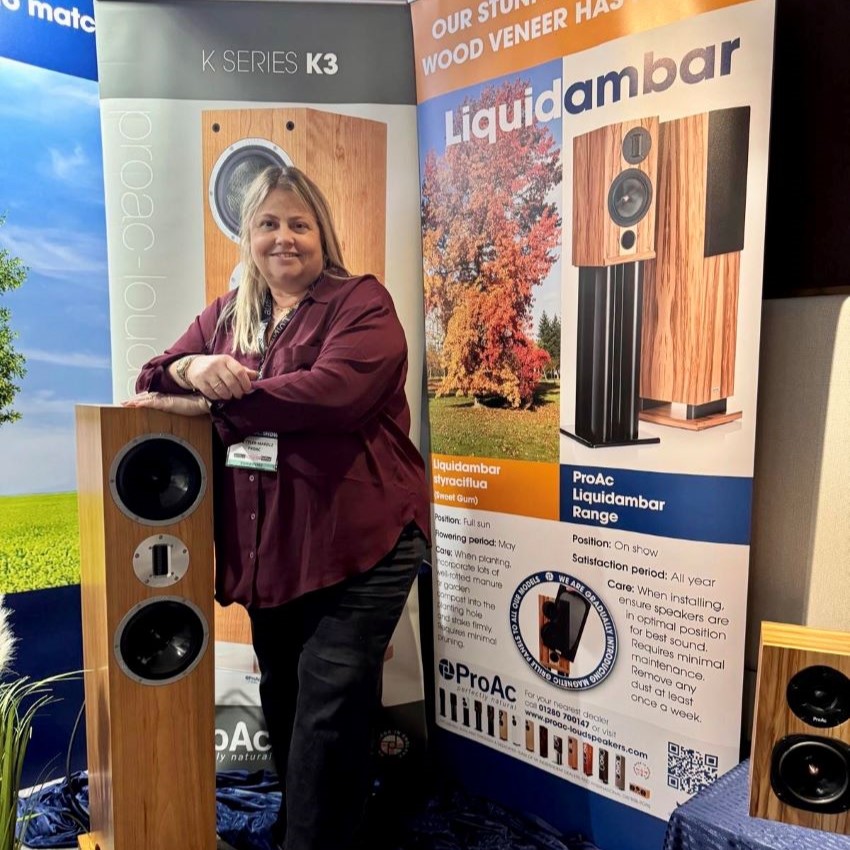
Zoe Tyler-Mardle: Yeah. So Stuart was always interested in trying new materials. Before Kevlar we used carbon fiber, in the the products we made before the K series we were using carbon fiber in the cones and I think someone recommended Kevlar so we tried Kevlar and that’s where he first developed the K6 which was the first model we made with Kevlar M and the K8. And then we’ve obviously then pushed that forwards now onto the range of K speakers starting with the K1 and up to the K10. and it’s the first time we’ve had a really good high end range as well rather than just one or two models in a higher range. So the customer has, has the opportunity to progress. Whereas before we only maybe had two high end speakers where now we’ve got a high end range which I think has also helped. We’ve, we’ve just had a really good review for the K3 as well in what hi Fi. A five star review. So it’s, it’s definitely the best high end range we’ve had.
Andrew Hutchison: Yes.
Zoe Tyler-Mardle: I would say ever. Yeah.
Andrew Hutchison: Yeah. Well in fact, speaking of range, you have a hell of a range. there is a lot. Well I find it slightly terrifying. There is a lot of models. Now at one point, at one point I asked you about this, you won’t remember at a show or something, but was that. And I had yourself or John confirm that you in fact at least at that point were doing quite a lot of models with either the ribbon or a good old dome tweeter. Is that something breezing through your website as I’ve done in recent times? I feel as if there isn’t, there isn’t that offering so much anymore. Are you still doing that or did you.
Zoe Tyler-Mardle: No, absolutely.
PROAC – RIBBON TWEETERS
Andrew Hutchison: Yep. Don’t say that. There’s too many models and then you double the amount. So tell me about that. Because that’s such a, it’s such a sort of, well, kind of taking a bet each way. I mean is that, is it designed to satisfy maybe some clients who just have it in for one type of tweeter or the other? Or do you. Or does John or yourself or perhaps back in the day, your father really feel that there was a solid reason, a good reason to use, you know, to offer both versions. I mean, it seems like a lot of work.
Zoe Tyler-Mardle: Well, yeah, obviously
00:30:00
Zoe Tyler-Mardle: dome was always the traditional. Going back years, dome tweeters were the mainstay. and then my father found some good ribbon tweeter designs that he wanted to use and incorporate into the speakers. And it started with the higher end models. We just had clients, requesting, can you make this model with a ribbon tweeter?
Andrew Hutchison: So you get, you’d get requests?
Zoe Tyler-Mardle: Okay, yeah, we’d get requests. I’d like this model, but I really want it with a ribbon tweeter. For instance, the D 2020, I think it’s one of the first, first models that we offered either with a dome or a ribbon tweeter. and I think it comes down to the dispersion of the tweet that the two tweeters have different dispersions, which brings different qualities for the listener. I think with any, any hi fi, you have to really get the, the positioning of the speakers right so that you’re, you’re hitting that sweet spot. Particularly with the ribbon tweeter, you want it around ear height when you’. we always recommend speakers are slightly toe in. So other than setup, people do still want either a dome or ribbon. And we offer that right from a D20 to a D30 and a D48 right up. And the D2, which was the most recent addition, to come along with a Doma Ribbon D2 was one of our iconic models which has been around a very long time, has very good reviews. it’s one of our best selling speakers. We had customers saying, could you do this with a ribbon? And that’s why we decided to design that with a ribbon tweeter. And they do. If you, if you have the two side by side, you will, you will hear there is a difference. It’s it, it is quite, I think with the ribbon tweeter you’re going to get a little bit more detail. Some people find ribbon tweeters a little bit harsh because of the detail that it brings. Yeah, I don’t think it’s so much of a harshness. It’s just because it goes more in depth into those higher frequencies in, in the detail part of it. So again, anyone that was coming on to us and ask, I quite often get asked, well, I want this model, but I don’t know whether to have it with a dome or a ribbon.
Andrew Hutchison: Yeah, so what do you Say.
Zoe Tyler-Mardle: Well, we normally reckon everyone, regardless of what this to. We say you must go and audition. So you need to go and listen to the speakers because what one person will like necessarily won’t be what another person will like. So of course it’s really down to how receive the speakers and the type of music you’re listening to. we find a lot of customers that are very heavily into classical music really like the ribbon Tweeter because of the detail that that brings the dome Tweeter is still very good in its detail. It, it, it’s more of a, a warmer, combination I would say, with the dome rather than a ribbon. The ribbon. I don’t find the ribbon harsh. Some people, have said, oh, I prefer the D. Again, it’s down to preferential taste. So it’s really down to the, the, the customers to what they prefer. So we always say go and listen to both. So you can decide for yourself. Because I can’t tell you which one you like because your ears are your ears and you will listen and you will decide for yourself.
Andrew Hutchison: And I guess there’s maybe, maybe the performance of one over the other lends itself slightly more towards certain styles of music or something as well. Well, we’ll be back with Zoe in a second. We’re going to take a very quick break and we will be right back. Back. Thanks Zoe. Back in a sec.
Zoe Tyler-Mardle: Thank you.
BRISBANE HIFI
Andrew Hutchison: Brisbane hi Fi. I mean the clue is kind of in the title. The store is located in Brisbane and they sell hi Fi. But it’s not just another hi Fi store. It’s kind of like some kind of tropical weekend away in paradise. The people are friendly. There’s lots of interesting things to see and listen to in this case, and the drinks are tasty. I highly recommend Brisbane hi Fi for a different hi Fi purchasing experience. Brisbane HiFi.com.
UK HERITAGE BRANDS
we’re back with Zoe, from Proac, a famous, UK loudspeaker manufacturer. And when I say famous, I mean, you know, there’s only really a handful of genuine UK manufactured speakers left. Well, maybe two handfuls. you’ve been around for as long as any other. I think, if not more. I was going to say, who else is left? I mean there’s. We don’t really want to mention those other manufacturers, but do you feel like you’re in a small club of of What’s the word? You know, what is the right word?
Zoe Tyler-Mardle: Affiliated brands?
Andrew Hutchison: Well, I mean in the sense that you. Is there a camaraderie between yourself and some of those other brands that we all know that, still bang away making things, at home.
Zoe Tyler-Mardle: Yeah. You know, when we go and do, for instance, the Bristol show, we see. We see we don’t get to see these guys all year round because obviously they’re busy with what they’re doing as well. Yes. But when we go to somewhere like Munich or the Bristol show, you know, we, we
00:35:00
Zoe Tyler-Mardle: see other manufacturers. we’ve known all the other manufacturers for many years. And my father had really good relationships as well with lots of the other speaker designers. he. He had very. He was very friendly with, Julian from Name back in the day. And, and so he, He’s. He’s been. He’d been in the business a long time, so he had lots of people that he was friends with. And we still speak to everybody at the show. You know, we. We’ve always had a really good relationship with Michelle. Engineering.
Andrew Hutchison: Yes.
Zoe Tyler-Mardle: you know, we, We. We now partner a lot with Exposure Electronics when we do shows, and we, have a very good relationship with Sugden’s as well. So, you know, and other speaker brands. So it is like, when you get to the show, it’s like, oh, you’re, you know, hi. We only see each other sort of socially once or twice a year.
Andrew Hutchison: Yes.
Zoe Tyler-Mardle: But, you know, there, There is, There is a good, A good friendship. you know, it’s good to see everybody and catch up and say hi. So. Yeah, definitely. It’s. It’s like a. It’s like a big club, really, that everybody goes to a couple of times a year and, and catches up.
Andrew Hutchison: But it is. It is a bit like that. And it’s. I mean, it’s super. You know, it’s great fun, of course. And it’s, Yeah, it’s. It’s. It’s, It’s. It’s probably the opposite of what a lot of, Maybe some clients, consumers. What have you think that goes on where you’re sort of, you know, banging each other, stabbing each other and trying to steal secrets?
Zoe Tyler-Mardle: No.
Andrew Hutchison: When in the reality is you’re probably sharing suppliers to some degree and everyone’s in the same boat and.
Zoe Tyler-Mardle: Definitely, yeah, absolutely.
Andrew Hutchison: It’s, Yeah, it’s great to know and, You know, I, I guess I, I knew that that was the case, but, But, I did. I did want to make. Make sure that it was still the case.
Zoe Tyler-Mardle: Yes.
PROAC – KEEPING CONTROL OF MANUFACTURING
Andrew Hutchison: Yeah. As an extension of the whole UK manufacturing situation. What do you. I mean, I want to. I Won’t lead you on this. What do you feel having that ability, to screw the product together, you know, in a matter. A matter of meters away from where it’s designed and measured and tested and doing everything in the one building. What do you feel, I mean, that you think that gives to the, to the client, the person who buys the loudspeaker? is. It. Is. There’s obviously some tangible benefits to, to not subcontracting out the. The actual manufacturing because, let’s face it, to call yourself a manufacturer and yet all you do is send designs to China. I feel like that’s not really manufacturing in a way, particularly if they pack it up there and ship it directly from there as well. Like drop ship it around the planet. I’ll let you answer the question, Zoe. What do you feel some of the benefits of making things at home are?
Zoe Tyler-Mardle: I think it’s absolutely crucial so that you’ve got control over your design, and making sure your QC is right. If you’re, if you’re subcontracting everything out to everybody else and you’re not even seeing the finished product, how do you have any control over the. Over the quality control? For a start? everything that we make is made from. We don’t have built product on the shelf ready to ship out. Every, Every order is made to hand.
Andrew Hutchison: Yes.
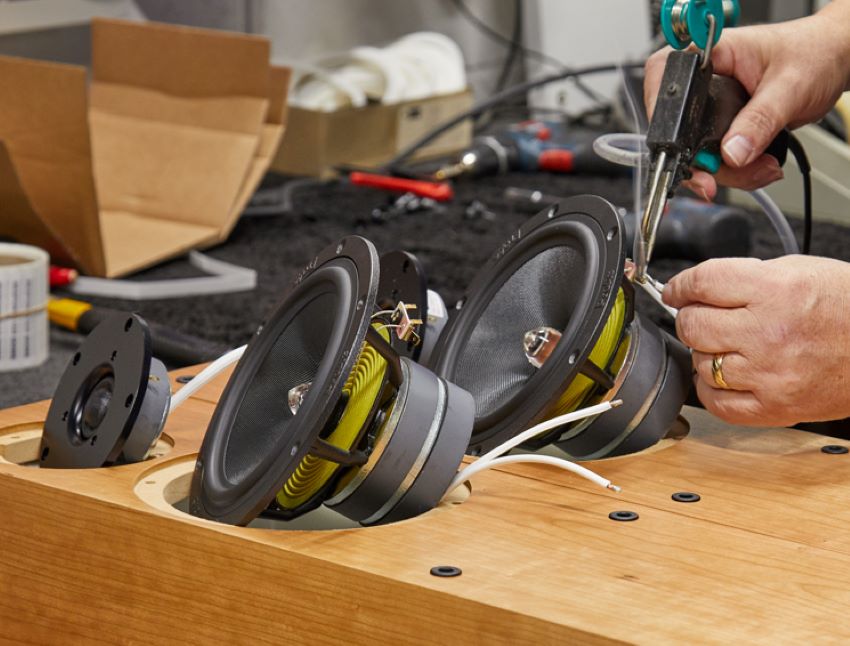
Zoe Tyler-Mardle: once it’s received, we have one. One lady that makes all the crossovers by hand. None of it’s made on a. On any sort of machinery. It’s all made by hand. And, then it’s all assembled here at the factory. It’s. Every speaker is tested sonically and measured before it goes out. Everything is packed here, everything shipped from here. So, yeah, you know, that’s, that’s an interesting thing.
Andrew Hutchison: Oh, well, now that. But I love the fact that. So every single finished product is listened to and measured.
Zoe Tyler-Mardle: Yes.
Andrew Hutchison: Now, in my little tiny enterprise, I do the same thing, but you’re still doing that at some kind of scale. And I don’t need to know how many pairs of loudspeakers you’re making a week, but obviously it’s more than one pair. So I mean, that’s kind of impressive. And, I mean, and obviously you feel very strongly about that and the fact that every time you send something out, you know it’s going to work at the other end and work both as a pair and one work the same as the last pair of that particular model that you made as well.
Zoe Tyler-Mardle: Yep, absolutely. so. So we have measuring equipment on the benches where the speakers are built. So one person will build a pair of speakers so it won’t be a case of one person will put drive units in and then it will be passed to somebody else for packing or it’ll be passed on to somebody else for measuring. One person builds that pair of speakers from scratch. Yeah right through until they pack them in the box. So that you know, there’s is continuity through, through the whole build of the speaker. So that one person knows all the parent, you know, all the, all the QC that needs to be met to make sure that that speaker is going to reach the customer in its prime condition. So yeah, that’s very important to us.
Andrew Hutchison: Yeah, absolutely, yeah, I expected and glad to, glad to hear it. And it is, is, I mean it’s, the reality is of course it is a more expensive proposition to make things
00:40:00
Andrew Hutchison: in, you know, in America, in Australia, in Germany, in, in England. It’s, it’s, it’s unavoidable. You know, people get paid a good wage, it’s a more expensive country to live in, etc, there’s no way around it, it’s going to cost more to make. But there is a benefit there. and that is that you are receiving a premium product that’s very carefully screwed together. I like to fear, feel or I feel as if that it’s the whole, I don’t want to call it a cottage industry because I have no idea how people, how many people work there or whatever. I guess there’s a dozen or more or less or thereabouts or maybe 50 people work there. I, you don’t need to tell me but no, not 50. Bugger, that’s too expensive.
Zoe Tyler-Mardle: No, I think that’s what makes us quite versatile because we are a small family business of probably around eight employees. So it is very small. everybody that works here has worked here a long time. Everybody knows exactly where, what we need to do to produce the product to its prime. So I think that’s why it works so well because we all understand totally our ah, role and what it is that we are trying to bring to the customer. So I think I think that obviously plays a big part for us. Yes, you can have, have lots and lots of employees. You know, there’s lots of speaker brands that are far bigger than, than we are. and you know, what works for them is good and what works for us is good. So it really depends on the, on the individual manufacturer I think, and how they, they choose to get their parts and manufacture, their speakers. But for us it definitely works with us doing everything in the one place.
Andrew Hutchison: Yeah, I feel the family business, the small volumes carefully assembled. yeah, there’s a sincerity, if you like, to the way you’re doing it in the sense that you, you love music, you love the way your loudspeakers sound. You want to make them properly and that’s what you’re doing. I mean it’s real, it’s, it’s like, it’s, it’s, it’s something that you can, it’s tangible and you can grab onto it. and it’s also a product of course, made from fine quality materials that will last. I’m going to say someone who knows how long these things last. They’re going to last for 30 years. Probably untouched, I would imagine.
Zoe Tyler-Mardle: Absolutely.
Andrew Hutchison: And, and so. Or longer. And And so, yeah, it’s, it’s, it’s it’s a very real high quality thing. There’s, I mean your marketing these days is quite good, but I mean, let’s face it, you’re not really. You’re allowed speak a designer manufacturer first, not a marketing company first. And exactly. You need to tell people about it. But some companies seem to have. Well, it’s modern manufacturing in a way. I mean this is where I come back to my little theme of being a little unfashionable in a way is that, you know, is that you are seemingly more about producing beautiful products than anything else. You’re not a faceless, soulless corporation trying to generate profits for shareholders, clearly. Really. Although you kind of are, you’re obviously a shareholder but not, not thousands of shareholders. And yeah, I mean it’s a different, And I’d like people to understand that. I think, yeah, most people do, but I guess some people don’t realize the how thing. How things are made and that, that most consumer items these days are really just ways for manufacturers to make money. It’s, there’s not a lot of feel or feels or you know, know what’s the vibe man, that goes into it, you know. Whereas clearly Proac and other small manufacturers of quality products, you know, I mean that they’re doing it differently. You know, it’s, it’s, there’s a reality to it. I like it, like, like I.
PROAC- THE LEGACY
Zoe Tyler-Mardle: Said, it’s kind of each to their own. You know, it depends as a, as a company and as a manufacturer, what’s most important to you. And I’ve been left with this Huge legacy obviously. And, and like I said before, huge shoes to fill. And I would like to honor the fact that my father was so respected and we’ve, we’ve built a good brand over the years and it would be silly for me not to want to continue doing that. So, I know his ethos. I know his ethos. I know, I know what, what it was he wanted to achieve. So my aim is to do that and just carry on producing really great speakers that bring people joy, which is what he loved doing.
Andrew Hutchison: It seems like you’re doing exactly that. thank you. Well, you know, I, from everything from speaking to you briefly in person and seeing the website, hearing the product, I know you’re selling the, the brand sold. I’m going to guess and say 30 or 40 countries across, across the planet. I don’t know how many exactly, but it’s something like that. Right. I’m sure you know exactly how many it is. I’ll just, I’ll, I’ll wrap things up with a couple of little bits of housekeeping, that, that people are probably aware of. But I think it’s, it’s, it’s on your website anyhow, sort of the history of the
00:45:00
Andrew Hutchison: brand. But yes, I like the way, you know, your father seemed to like to keep things simple. So Selef, which was the original speakers that he was making, which I have to say I, nearly bought a pair in about 1982. They were secondhand in a shop in this country, in this town actually.
Zoe Tyler-Mardle: Right.
Andrew Hutchison: And I really wanted to buy them and I feel like a bit of a heel for not because they were about $300 second hand. which of course is an apprentice electronics technician was about four times my weekly wage. and I bought something else that was about a hundred dollars cheaper. But I, I really like the look of those and at the time I was thinking, thinking Chartwell, Rogers. That was kind of the look. Maybe it was the plastic cone, I don’t know. But anyhow, they, yeah. And a, a friend of the show, co host, guest wrangler, another loudspeaker designer, Brad Sirhan, also have a strong love for Salef, as well because he’s told me. but yeah, that brand, was apparently created from simply a shortening of the two drive unit brands that we used to make them. Celestian and Kev.
Zoe Tyler-Mardle: Yes, that’s right.
Andrew Hutchison: which is, you know, I mean, why to go to any, you know, unnecessary, effort. It’s all about the Sound. Right. But then Proac which, which I never really knew where that came from. And of course you hear people say it differently. And I’m hoping that proac is how you pronounce it, like, because a lot of people turn it into pro ace or pro arc. Pro arc.
Zoe Tyler-Mardle: Yeah. But, but it is, it is, it is Proac Yes, yes. Loudspeakers. Proac actually comes from professional acoustics.
Andrew Hutchison: Find the sound of your life by crafting a quality stereo system with the hi Fi Shop, featuring all the brands you know and love. Riga turntables, Bowers and Wilkins loudspeakers, Exposure electronics, amplifiers and CD players from the uk. UK and of course, Sonus Faber loudspeakers from Italy. The hi Fi Shop helps you create your sound. Visit the team@hifi shop.com. yeah, it’s as simple as that, isn’t it? Why not? it is more imaginative than doing the other thing that was done back in the day, no doubt friends of your father’s and probably yourself, you know, the, the, the things like Spendor and you know, Spencer and Dorothy and and there’s a couple of other examples of that I think, if I, put my mind to it.
Zoe Tyler-Mardle: Yep. So I have to just say, I have to just say, though, my dad was quite sticky in that some of the models were named after family members in the early days because I think we made a, celloph L C1, but my nan was called Elsie, so I think he named it a cell F L C1 after my nan. Okay.
Zoe Tyler-Mardle: That was my mum’s mum, not my dad’s mum that also worked at the business. But, but yeah, so he did have a sneaky way of putting, putting names in without you really realizing it.
Andrew Hutchison: Well, well, he did that with Proac really, because, I mean, yeah, I, I must admit I’ve scratched my heads over head. I don’t have two heads. I’ve scratched my head, over that, on and off over the years thinking, I wonder where that really comes from. And more about, because I feel like I’ve corrected people a few times saying, I think it really is just Proac not pro arc, which used to kind of annoy me. Ah. Just from the point of view, there’s no R in there really. But, but anyhow, at least in the English language, it should be Proac But, look, that was probably most of the housekeeping. I, I, I guess the fact that there’s, it’s such a strong, you know, historically a family business. I mean, the Fact that, your father dragged in, his father and mother to assist. When I say dragged in, I have no idea whether he dragged them in or they happily changed course in their own careers and, and started working for their son. which is such a, you know, it’s a, it’s an ode to his skills really. They’ve gone, wow. Well, you know, this kid of ours is, you know, really going somewhere. Somewhere. And then you carrying on the bat and then. I had no idea that John had known your father for so long. I knew they’d worked together for some time. I didn’t realize it was that bloody long. So really, you’ve answered a lot, a lot of questions I think that people probably had or wondered about. And so, like I’ve summed up earlier, you know. Well, you know, it’s, it’s, it is what it is. And, and and then as you say, a fourth generation, also showing an interest in working in the factory as well. Yeah, it’s amazing.
Zoe Tyler-Mardle: Yeah.
Andrew Hutchison: Hey, thank you so much, Zoe, for your time and making m. The time.
Zoe Tyler-Mardle: Pleasure.
Andrew Hutchison: Like I say, you’ve answered a lot of questions and maybe I won’t be at Bristol. You’re going to be displaying at Bristol in a. Well, this episode comes out. I’m trying to think when this episode comes out. It probably comes out while Bristol is on. Damn it. but we’ll put a news flash on the website or on our social media to let people know that you’re.
Zoe Tyler-Mardle: There because you, our.
Andrew Hutchison: You are there.
Zoe Tyler-Mardle: I’ll be in our usual room. Yeah, room 216 with a new model. So.
Andrew Hutchison: Oh, crikey.
Zoe Tyler-Mardle: If
00:50:00
Zoe Tyler-Mardle: you’re intrigued and you want to see, follow us on social media because over the next few weeks we’ll be releasing more details about what we’ll be taking to Bristol. So. Okay, that’s all I can tell you at the moment.
Andrew Hutchison: But you can’t say whether it’s big, small, high, short, wide.
Zoe Tyler-Mardle: I can’t tell you. You’ll have to wait and see. I follow us on social media.
Andrew Hutchison: Well, we will, we will of course, do exactly that for each other and and, and allow people to, more people to find out that you’ve got that new model coming now. and then just to finish off on before we say goodbye, Vienna, will you be there or what is the status of this new show, do you think?
Zoe Tyler-Mardle: I’m hoping we will be there. We are looking at doing a collaboration, but again, that is all I can tell you at the moment. But because it’s still in the early days of us sorting it out. So. And yes, we very much hope to be in Vienna. either with a speaker or we will be attending.
Andrew Hutchison: Be there to have a look either way.
Zoe Tyler-Mardle: Either way, yes. Yes. Yeah.
Andrew Hutchison: Well, thank you again, Zoe. Thanks so much for your time. everyone appreciates it and might see you at Vienna.
Zoe Tyler-Mardle: It’s been a pleasure forward to seeing you soon.
Andrew Hutchison: And a big thank you to stereonet and Soundstage Australia for their continuing support of this podcast. Ah, fellow, media creators, but I guess in different sectors because stereonet has probably one of the most popular audio related forums in the world. And and the classifieds are amazing. All sorts of gear, cars comes up for sale and of course reviews, news articles, etc, which is well worth a look. Soundstage Australia, Edgar Kramer writes a magnificent, highly detailed and careful review. Great photography, interesting products and over@soundstage Australia.com you can see those. So stereonet.com, soundstage Australia.com have a look now.
00:51:53