


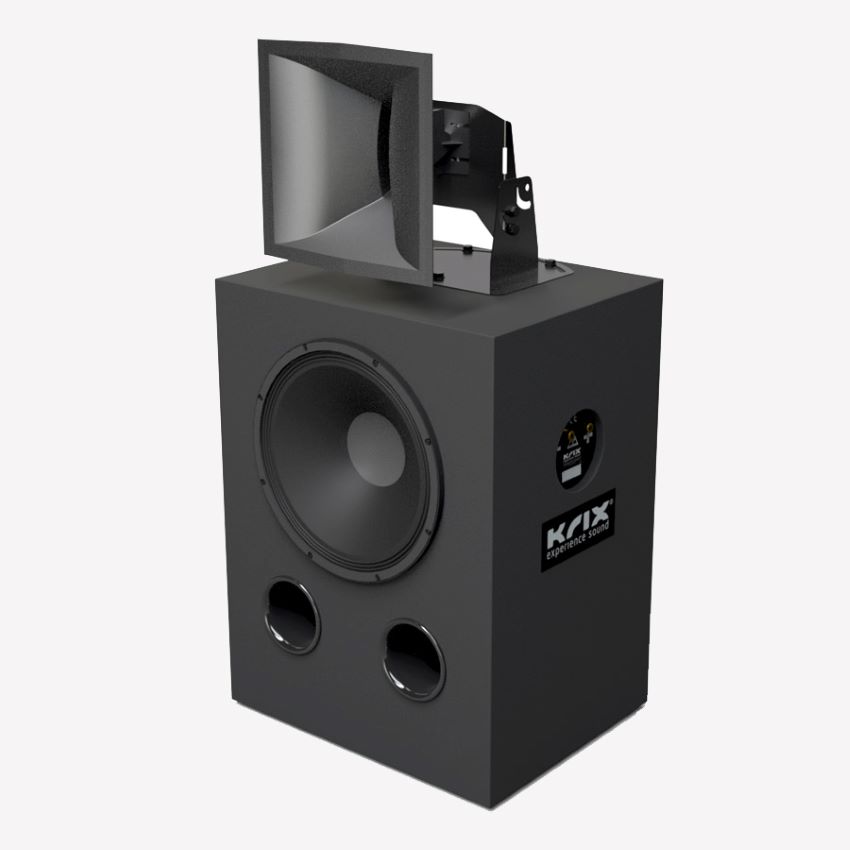
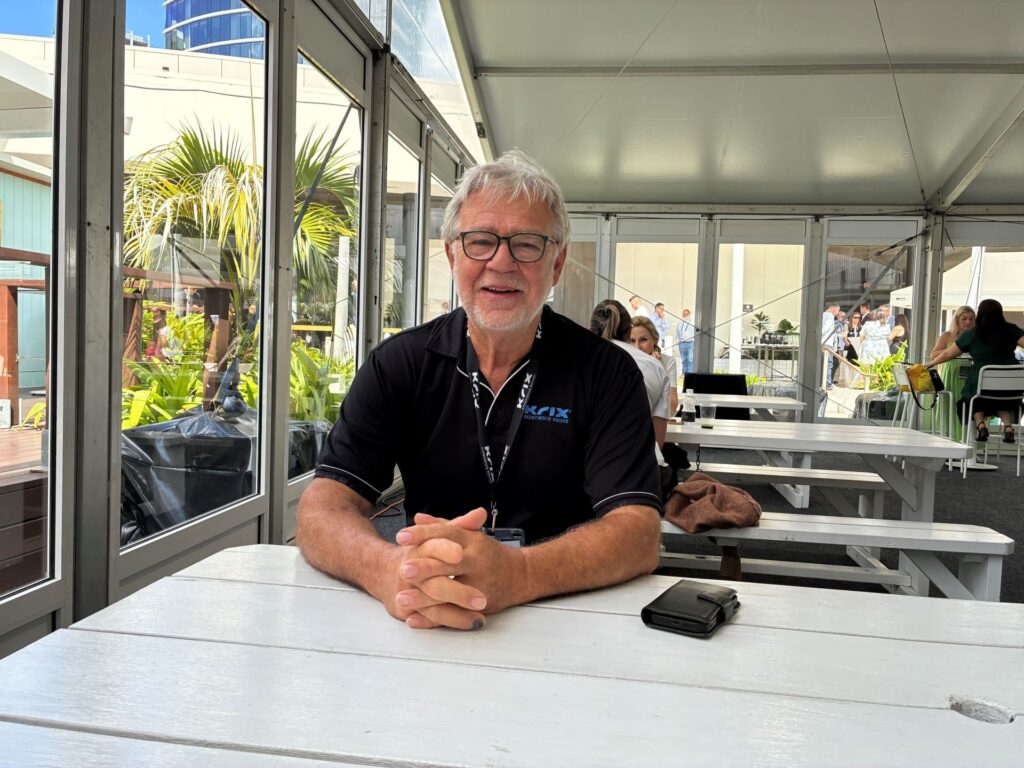
Not An Audiophile – The Podcast featuring Scott Krix from Krix Loudspeakers. The future of home theatre and commercial cinema sound experiences is solidly with Krix Sound. The story, the brand and the man behind it all.
Podcast transcripts below – Episode 043


TRANSCRIPT
S2 EP043 – From HiFi Roots to Home Theatre & Cinema Dominance: The Krix Story.
Andrew Hutchison: You mentioned Beirut, which just twigs the thought of how many countries have you installed?
Scott Krix: Oh, yeah, good question.
Andrew Hutchison: Clearly. Lot 15, 20, 25, 30.
Scott Krix: 30 to 40, is that right? Yeah, something like that. Wow. I mean, basically a lot of Europe, some of the us, South America. We did some work a while ago. Yep. I think there’s something in Afghanistan. I don’t know. I know that. Russia. There’s a few bits.
Andrew Hutchison: Yeah.
Scott Krix: Okay, that was a while ago through, Europe and Germany and, Norway. Norway’s been a good customer of. Wow. Yeah. And the uk, That’s. Canada’s a bit. Congratulations, Japan. Yeah.
Andrew Hutchison: And welcome back to not an Audiophile This is episode 43, season two. Today’s a big one. Yes, a longer episode, but we also move sideways into home cinema and commercial cinema. I mean mostly home cinema as far as the discussion of actual products, but of course, Krix loudspeakers. Scott Krix been in business for 50 years, has in that time built an awful lot of commercial cinema loudspeakers as well as home audio equipment. Scott tells us all about that, while we were both visiting the Australian International Movie Convention on the Gold coast recently. It’s a slightly rambling interview, but, I enjoyed it. He enjoyed it. I think you will too. And while I have you, of course I request that if you are, enjoying the podcast to follow on your preferred platform. like us on YouTube, subscribe to our YouTube channel. We don’t put up an enormous amount of YouTube videos, but of course every episode goes up as an audio only video and you can, grab them there as well. And of course that’s where you can comment and we’d love to hear your comments, good, bad or otherwise.
March Audio
Thank you for the discerning audio enthusiast performance and precision matter. That’s why March Audio employs purify technology to engineer award winning loudspeakers and amplifiers. They deliver sound that truly transcends expectations. All available at an entirely modest cost. Go now to marchaudio.com and check out more of Alan March’s engineering feats, including a sale price on the 501amplifier. March audio for the discerning audio. Enthusiast
Krix Loudspeakers
We’re here today with Scott Krix and it’s an absolute pleasure. thank you for making time away from the, heavy schedule that you have at the, Australian International Movie Convention on the Gold Coast 2025. We have busted in with your assistance to speak with you. we’ve been wanting to speak to you for a while. You’ve been in the loudspeaker manufacturing business for, oh, a few years now.
Scott Krix: Yeah, yeah, yeah, we started last Christmas. Yeah, it was good that we. It took quite a long time for our people and your people to actually organize this prestigious event.
Andrew Hutchison: Yeah, yeah, well, my people. What, you mean months and months? You mean Brad?
Scott Krix: Yeah, Brad. Months and months of negotiations.
Andrew Hutchison: He moves in mysterious ways.
Scott Krix: Oh, yeah, that’s right. It’s the bureaucracy that goes with it.
Andrew Hutchison: The bureaucracy? Is that what we call it? That’s not what I always call it. But, I, Yeah, but yeah, and look, we did speak briefly in Melbourne at the other famous, event.
Scott Krix: Yes.
Andrew Hutchison: Industry event. In the. In the. Well, see, you’re in multiple industries, so you have to go to more industry events than I ever have. But yeah, But yeah, the other end, of course, was the StereoNet Australian hi fi Show, Melbourne version 2025 as well.
Scott Krix: Yeah.
Andrew Hutchison: you had an interesting display there.
Scott Krix: Yes, yes.
Andrew Hutchison: For those who are, into hi fi. And here, I haven’t seen what you’re up to here, but of course this is a commercial cinema and film production.
Scott Krix: Yes.
Andrew Hutchison: Distribution. convention.
Scott Krix: that’s right, yep.
Andrew Hutchison: Which you’re or have always been involved with, Is that right?
Scott Krix: Yep, it was since 1979, as a matter of fact.
Andrew Hutchison: Is that when you stepped sideways into commercial?
Scott Krix: Yes. Yeah. Okay. That’s right. Well, what had happened is that I had a hi fi shop called the Acoustic Foundry on King William Road.
Andrew Hutchison: It’s kind of a good name actually.
Scott Krix: I like that Some people call the Autistic Foundry. Oh, we did. But anyway, it was a lot of fun. And I built these speakers when I was at uni in the early 70s. Stuck them in the front window.
Andrew Hutchison: Okay.
Scott Krix: And the proprietor for the, cinema walked past and said, we need to upgrade the sound on the Capri Cinema and on Goodwood Road in Adelaide. So I went down there and I had three Ardens sitting on the floor. Camilloy Ardens.
Andrew Hutchison: Right. Yes.
Scott Krix: Yeah. So it’s not going to work in a thousand. No, no, not going to work. So anyway, so I built these, really large dual 15 inch rear horn loaded speakers with a HF and all that sort of stuff.
Andrew Hutchison: Okay.
Scott Krix: So it was sort of PA stuff and
00:05:00
Scott Krix: I’d never really done it before, but I knew.
Andrew Hutchison: So what a W bin?
Scott Krix: No, it’s not quite a W bin. A couple of 15s with the rear. Oh.
Andrew Hutchison: So side. Okay.
Scott Krix: And you know that was direct radiating, but the rear was horn loaded. Okay. So it was sort of a bit of a labyrinth and a Fairly big mouth at the front. You know, I’ve never built one before, but I thought, well, that’s all right.
Andrew Hutchison: Theoretically it’s going to work.
Scott Krix: Yes, yes. Because I did built some exponential horns in my earlier days.
Scott Krix: Anyway, that worked. But the problem there was an acoustic issue with the cinema itself when they came to equalise it. And what it was, as I found out, was actually the reflection from the speakers when it radiates to the rear wall and then re. Reflects back into the auditorium and you get a cancellation reinforcement effect or combing or that. Something of that ilk.
Andrew Hutchison: Indeed. Yeah.
Scott Krix: So I built this partition for the rear wall.
Andrew Hutchison: Yeah. Oh, behind the screen.
Scott Krix: Yeah, Just behind the screen. Put a wall. Okay. And some absorptive material, you know, so the speakers poked through it and that was what we call the infinite baffle.
Andrew Hutchison: Which. Okay. Which is interesting because clearly for those who are, familiar with your current home cinema lineup.
Scott Krix: Yeah.
Andrew Hutchison: You have what I call the wall of sound, which you may call the wall of sound as well. And maybe that’s where I got it from. But it is literally a wall of sound. You have an acoustically transparent screen like a commercial cinema. And with literally just your left, centre and right speakers and subs, I guess, poking through it.
Scott Krix: That’s right. So that’s carried through. And from that, Greater Union got interested because it was a bit of new technology.
Andrew Hutchison: Hm.
Scott Krix: And we got all the business in Australia essentially in the 80s. So.
Andrew Hutchison: Yeah, through the 80s, yeah.
Scott Krix: Ah, we for good five, ten years.
Andrew Hutchison: Is that right?
Scott Krix: Yeah. All multiplexes with a lot.
Andrew Hutchison: Oh, okay. With the start of that multiplex.
Scott Krix: Yeah, yeah.
Andrew Hutchison: Okay.
Scott Krix: So we basically went all over the country and built them. Okay. Yeah. We sort of had a pretty well monopoly on it. And we knew how to do it too. We sorted it all out and we had the manufacturing facility and.
Andrew Hutchison: Yeah. So you were, I mean, probably the big difference, as I understand it from an outsider in regard to Krix is that you, unlike so many loudspeaker makers, have your own, factory cabinet making facilities. I mean, you have your own factory, of course, but to make crossovers and what have you and assemble the, enclosures. But you make the enclosures.
Scott Krix: That’s right. I’m sorry, I’m just.
Andrew Hutchison: That’s not your phone. I think there’s someone on the radio outside.
Scott Krix: I just want to make it solid. Oh, yeah, sorry, I guess you’re right.
Andrew Hutchison: Actually, mine’s not on solid either. This is a very casual interview.
Scott Krix: Yeah. By the way, would you like coffee?
Andrew Hutchison: I Have this water.
Scott Krix: Yeah. Right. sorry, what were you saying?
Andrew Hutchison: Well, I mean, you’re saying you had a monopoly because you. Because you. I mean, you made whatever you wanted. I guess you could customize to some degree. Once again.
Scott Krix: Yeah, we did. What had happened is that, we actually built the boxes, you know, and all the stuff and all the bracketing and everything at work, and then we’d ship it. But we built these things in such a way that we could install it really easily.
Andrew Hutchison: Yes.
Scott Krix: And you know, you do the first one and you think, well, just how do you do it differently? Yeah. And then you come up with something on the job and then you get back to the factory and say, well, we’ll m. Build production on it in a certain way.
Andrew Hutchison: Yes.
Scott Krix: And it’s interesting that, the exhibitors supplied us with the drivers and they preferred our boxes because they’re a bit more substantial. And we built.
Andrew Hutchison: Is that right?
Scott Krix: Yeah. Oh, yeah, we built them pretty big.
Andrew Hutchison: Well, they were as sturdy as they should be.
Scott Krix: Yeah. And then they ended up having to make. They wanted me to make a decision as to what brand that we should use as far as drive units. Drive units and the technology. And I thought. Yeah. And you know, we went and did all the due diligence on all of them and we chose a brand and we worked with it for as long as we needed to. Yeah. Okay. And then eventually we. We developed our own horns and base drivers and all that sort of stuff in time. But, you know, we were using that. We build the boxes and put all the drivers in and then we built in such a way that you could actually assemble them on site because this was on a building site. And a building site’s pretty aggressive.
Andrew Hutchison: Yeah, this wasn’t retro.
Scott Krix: I mean, that’s a commercial building site, so. Oh, yeah, yeah. It’s interesting stuff when you get. When you get the riot police around, it’s a bit of a challenge.
Andrew Hutchison: All kind of this, like you say, was the new wave of multiplex cinemas. These were new builds. These were not retrofits of old clunky cinemas. One one screen type complexes. This is the. Yeah, okay. Shopping center type.
Scott Krix: That’s exactly right. More like Pacific Fair. We didn’t do packed fare, but, you know, Maribyrnong and places in Melbourne and Sydney and Perth and Brisbane here and a place like that. We did a lot of all those.
Andrew Hutchison: And at some point, you made a move into Southeast Asia or.
Scott Krix: Yes. Yeah. Well, what happened is that Greater Union and its edge or whatever, its, various Forms were village. They moved into, Southeast Asia in Singapore. So our products went up there. We didn’t do the installs but our products went up there with. Went to the Middle East. Okay. Because they had a branch there. Yeah. And in India. It’s interesting that back in the 80s.
Andrew Hutchison: They, as they expanded you.
Scott Krix: Yeah, we went with.
Andrew Hutchison: Tagged along and they clearly that happy with the product.
Scott Krix: Yeah. well, we delivered on time. We were actually. The funny thing is it’s a good start, Right. We’d get on site and they’d say, okay, ah, well, you know, you’re a bit late so.
Andrew Hutchison: Yeah, okay, what, seven minutes?
Scott Krix: Yeah, something like that. You should have been here a couple of days ago. Rah, rah, where are you? and then they. And then we’re. And then, you know, a few days later we’ve done about four screens in.
Andrew Hutchison: Three to four days because of your.
Scott Krix: We just know how to do it.
Andrew Hutchison: Yes.
Scott Krix: And then they say, well, Jesus. Bit bloody quick, aren’t you? Because we’re not finished, we’re not ready for you because we want to get out. So you either finish it or we’re walking off the job. You know, it’s not going to work. So I mean the guys that employed us, they knew what we were like, they knew that they’d get done and we’ll always be there on the day and we’ll always have all the freights all organised. We know how to get it into the cinemas and all the nuts and bolts of getting the engineering was done and that was where we got our reputation from in this industry.
Andrew Hutchison: In the Scott Krix’s book of how to run a business.
Scott Krix: Yeah, right. Oh yeah.
Andrew Hutchison: Turning up more or less on time. But then once you’re there having a system in place where you can just power on and get a lot done in a small. Which of course is on site is very important.
Scott Krix: Essentially our employer who’s we contracted to like edge or gradient in whatever form it was, they knew when we were turning up. Yep. We’ll be there Monday at 7 o’ clock in the morning and the truck will roll up about 10, we’ll be unloading it. It’s got to go into the cinemas. And we were there with five of us, the A team, as we called it, we had a B team. because, you know, we’d get that site sorted out and then I’d follow it off with the B team and then we’d prepare, prep the next site. Okay. Because it was that busy, you know, so what?
Andrew Hutchison: So to put A number on it. Ballpark number. How many screens?
Scott Krix: Well, I think it was a good couple hundred. We did.
Andrew Hutchison: Wow.
Scott Krix: Okay. Something like that. Yep. We’re all over the country. Somebody rang me. I was in Perth. Somebody rang me. All of a sudden it was inside, looked at the same. Right. So rang me and said, where are you, Scott? Because I had one of the first mobile phones, you know, it was a carry around. It was basically a brief.
Andrew Hutchison: Yeah. Car battery.
Scott Krix: It was a transceiver.
Andrew Hutchison: Yes, well, yeah, that’s right.
Scott Krix: It was like an analog version.
Andrew Hutchison: Something you’d have out in the outback.
Scott Krix: Yeah.
Andrew Hutchison: That you’d. Yeah. That had like. Like a radio phone.
Scott Krix: Pretty much.
Andrew Hutchison: Yeah.
Scott Krix: Yeah. Well, that’s what it was, was a,
Andrew Hutchison: So what? That’s in the late 80s kind of thing.
Scott Krix: That’s right. 80s, early 90s. But yeah. Yeah. But anyway, somebody rang up and said, where are you, Scott? Look around.
Scott Krix: I’m not sure.
Scott Krix: So I sort of got like that, you know. But I mean, it put us on the map really. So we built a factory out of it. So that.
Andrew Hutchison: Well, yeah. So this is. So we don’t need to pin down exact. You know, I mean, the whole, I mean, the history is very interesting.
Andrew Hutchison: It’s amazing.
Andrew Hutchison: We’ll also talk about what’s happening now.
Andrew Hutchison: But.
Andrew Hutchison: But I mean, you say you. Your 50th anniversary was last year.
Scott Krix: Yeah.
Andrew Hutchison: So what do you regard as the beginning? Is that your first pair of loudspeakers you put into the store that you.
Scott Krix: Yeah, that’s an interesting one. Yeah.
Andrew Hutchison: is that. Or was that the. It doesn’t really matter.
Scott Krix: Yeah.
Andrew Hutchison: I mean, it’s when you started, but.
Scott Krix: Yeah.
Andrew Hutchison: But at some point, I mean, how do you feel about hi Fi versus cinema? I think is what I’m trying to say. And then when I say cinema, I mean commercial and home cinema. Because you do all three segments. I get the feeling that certainly in the 80s, the commercial cinema was what was really the motive. It was where the money was. That’s how you were going to pay for a factory.
Scott Krix: Right. That’s basically how it worked. Yeah.
Andrew Hutchison: So. But the hi Fi was your first love.
Scott Krix: yes.
Andrew Hutchison: You meant to say yes. For this podcast.
Scott Krix: It’s yes, yes, yes, yes. It was. But, And that was a big yes. This happened when I was a high school. Yeah.
Andrew Hutchison: Okay.
Scott Krix: You know, in my mid teens, I, built a, 10 watt valve amplifier. Okay. Mono. From a set of plans that.
Andrew Hutchison: So a fairly grunty one for the day.
Scott Krix: It was the biggest amp. The biggest amp in the Vil.
Andrew Hutchison: And the village
00:15:00
Andrew Hutchison: we should mention is some part of Adelaide. Yes.
Scott Krix: Out in the middle of nowhere.
Andrew Hutchison: Is that right?
Scott Krix: Yeah, yeah. This was on the River Murray. Right.
Andrew Hutchison: Oh, okay.
Scott Krix: Yeah. And my, father was a soldier. Settler. Okay. So he had a fruit block.
Andrew Hutchison: Oh, yeah.
Scott Krix: So we’re out in the middle of the sticks.
Andrew Hutchison: They give you. Yes.
Scott Krix: We didn’t have street lights.
Andrew Hutchison: Valueless land.
Scott Krix: Yeah.
Andrew Hutchison: Supposed to make a go of it.
Scott Krix: That’s basically how it works in a lot of water. You know, you just pump it up and you shove it on.
Andrew Hutchison: Well, yes. So you had access to the river.
Scott Krix: Yeah, that’s right. Y. That was all sort of done for us. And so that’s how. I mean, essentially, you know, I learned how to. I learned a lot of mechanics.
Scott Krix: Because that’s what I used to do as a kid. I did a lot of excavation because I like mining. Tunneling.
Andrew Hutchison: It’s like tunneling.
Scott Krix: Yeah.
Andrew Hutchison: I like to build a good tunnel.
Scott Krix: Yeah, I liked a good tunnel. The only problem is I ran into the water table and that was a bit of a problem because it makes.
Andrew Hutchison: It difficult to navigate the tunnel.
Scott Krix: That’s exactly right. so welding mechanics, electronics. Wine. I made wine, you know, because the old man was growing grapes and he saved some for me in a couple of years he said, oh, here, I’ll give you. Leave a couple of vines for you and we’ll pick the fruit and we’ll squash it and make some plonk out of it.
Andrew Hutchison: Do you remember what, variety?
Scott Krix: Shiraz.
Andrew Hutchison: It’s that right Of course it was.
Scott Krix: Of course. What else is there?
Andrew Hutchison: Nsa.
Scott Krix: What else is there? There’s Shiraz and there’s all the others.
Andrew Hutchison: Wow.
Scott Krix: So that’s.
Andrew Hutchison: So how was the wine?
Scott Krix: no, no, there was some subtle flaws. I did learn something. I matured some and fermented some in a sealed plastic container. It was a 20 litre.
Andrew Hutchison: A sealed plastic container?
Scott Krix: Yeah. It had a bubbly bit.
Andrew Hutchison: Yeah. You did it. A vamp, so to speak.
Scott Krix: And I did it in an old keg. M. The old keg didn’t work because it was an old keg and it was full of bretamyces.
Andrew Hutchison: Yes.
Scott Krix: So that was off like it was beer house. But the one in the plastic was good.
Andrew Hutchison: Well, yeah, if you’ve cleaned it nicely before you.
Scott Krix: Yeah, put a metabol sulfate in and all the good stuff. And it was really a lot of fun when you had to rack it off because it was all suction, you know, one for me and one for the flagging. But it didn’t work. It was okay. But it was a lot of fun doing it. I m mean, we used to. I built this, chipboard, box and lined it with wax and we shoveled the grapes in and we’d take our shoes and socks off. Yep. Squashy. Squashy. So that was the.
Andrew Hutchison: Yeah, that was the squashing back lawn.
Scott Krix: No problem. Yep, yep. So it was, was great. We all got in and had a go.
Andrew Hutchison: I guess the cleanliness is not relevant until you get to the fermentation stage.
Scott Krix: Yes. Yeah. Well, God only knows what was in there. But we did put a yeast into it. Yeah, yeah. So we put Metavi sulfate in, killed the yeast off as best we could, didn’t measure it much and just shoved the poly yeast in. And it was interesting because once I had a. I had a keg full and they used to put it in. It was stuck. So the old man went out to the winery and got something out of the winery out of a fermenting tank, shoved it in, started it up again, started it up. And he said about two days later the thing just stopped. Bloody wine all over the back.
Andrew Hutchison: For really slightly too vigorous.
Scott Krix: It was pretty vigorous, yeah.
Andrew Hutchison: She went on drift, obviously.
Scott Krix: So, yeah, yeah.
Andrew Hutchison: have you, in more modern eras made some wine that you’re.
Scott Krix: I haven’t. I have made the odd bit with people that know what they’re doing. You know people, their pay grade is a lot higher than mine, put it that way.
Andrew Hutchison: For those listening, outside of the country, although I think the Australian wine industry is quite well known worldwide by people who know wine. But yes, Scott hails from what would popularly be regarded as, the hub of Australian quality, high end Australian winemaking.
Andrew Hutchison: Oh, you say the right things. You should be a marketing mate.
Andrew Hutchison: I’ve tried, but I’m not that good. it, I mean, it really is though, isn’t it? I mean, pretty much the amount of grapes grown and wine made. I don’t know the exact numbers. And I mean, I guess the hunter always thinks that it’s important, but I mean, everyone I speak to in wine says, you know, the hunter’s a joke. And, you know, it’s all about, you know, well, all of the areas of sa. I don’t think there’s any one. I mean, obviously the Barossa is perhaps regarded as the, well, I feel like historically. But McLaren Vale and hills.
Scott Krix: McLaren Vale, the hills, Coonawarra, Clare, they’re all really important. They’re just different. I mean, McLarenville, I’m from McLaren Vale. Area. And we think we’re much better than the Barossa, and Barossa wonders who we are. But I love the Barossa. I love the history of the Barossa.
Andrew Hutchison: The history’s amazing.
Scott Krix: Oh, yeah. And what’s going on up there. And Also in the McLaren Valley, it’s just different. And the people are a little bit different. They’re a little bit more batiki, you could say. Brost is probably a little bit bigger and probably got the weight of history.
Andrew Hutchison: Yeah. McLaren Vale’s bit more boutique. Yeah, I think so.
Scott Krix: And it’s a little bit different style, so. Yeah, it’s just nice.
00:20:00
Scott Krix: I like it.
Andrew Hutchison: Yeah, it’s.
Andrew Hutchison: It’s a.
Andrew Hutchison: It’s an amazing, culture. I guess it is. No pun intended.
Andrew Hutchison: No.
Andrew Hutchison: just step back to hi Fi for a second. Rather than my preferred subject. It is a little early in the morning for.
Scott Krix: Probably should have brought a bottle, huh?
Andrew Hutchison: It’s nearly lunchtime. I, I guess from the point of view of the podcast, we. We want to talk a little bit about hi Fi. Hi Fi is what got you started.
Scott Krix: That’s exactly right.
Andrew Hutchison: You mentioned the instance where the gentleman, for the local cinema.
Scott Krix: Yep. John saw. John Harvey. Yep.
Andrew Hutchison: John Harvey saw your. The fact that you could make a loudspeaker.
Scott Krix: Yep. Yep.
Andrew Hutchison: And he needed someone to. To, you know, create something other than these tannoys that he had kicking. I hardly imagine he had them kicking around. I mean, Is that what was in there, or is that.
Scott Krix: That was behind the screen?
Andrew Hutchison: Yeah, yeah.
Scott Krix: It was a stage, if you like, because an organ society owned it. Quite an interesting combination. But they had the screen, and just behind it, there were three Ardens, 10 or yardens on the ground. And how the hell anybody could listen to that.
Andrew Hutchison: I guess this is. I mean, you know, it was. It was a while ago. It was a few years ago, and it was, It was a different time. People sometimes forget. Plus, you know, was. It was Adelaide.
Scott Krix: Yeah. As I say, you can come back to Adelaide in 20 years and nothing’s changed.
Andrew Hutchison: Well, I get that. Of course, being a Queenslander, it’s the old joke, you know, because we don’t have daylight savings anywhere. that we’re a year, we’re an hour behind. But, it’s 20 years and one hour.
Scott Krix: but I don’t know what you’re saving with daylight saving. Where’s the saving? I still haven’t worked it out.
Andrew Hutchison: I actually never. I’ve never worked it out either.
Scott Krix: I’ve pondered that for many years.
Andrew Hutchison: It’s Weird because the time of the year where you do naturally get more late afternoon, early evening light.
Scott Krix: Yeah.
Andrew Hutchison: We want even more of it.
Andrew Hutchison: Yeah.
Andrew Hutchison: Shouldn’t daylight saving be in winter?
Scott Krix: Yeah, yeah, that’s a good idea, wouldn’t it? We started two hours earlier.
Andrew Hutchison: Well, it is a thing that.
Scott Krix: I mean, it’s dark all the time.
Andrew Hutchison: The days are longer. The daylight hours are long. The days, I think, are still exactly 24 hours.
Scott Krix: But. I’ve heard that.
Andrew Hutchison: Yes, but the. But they. But we want even more daylight.
Scott Krix: Yeah, so. But.
Andrew Hutchison: So South Australia not. Not doing daylight.
Scott Krix: Yeah, they do. Yeah. We’ve been doing it for a long time.
Andrew Hutchison: So you’ve got it at the moment.
Scott Krix: Yeah, yeah, yeah, yeah. We’re a half ahead of you guys now.
Andrew Hutchison: You would be. Yes. Because you’ve got that weird time zone.
Scott Krix: Yeah, we’ve got a half an hour thing.
Andrew Hutchison: Yeah. Which is. Which is actually on a worldwide basis, fairly unusual.
Scott Krix: Yeah, yeah, it is.
Andrew Hutchison: There’s lots of unusual things in South Australia.
Scott Krix: Yeah, that’s right. Yeah. we won’t go into details.
Andrew Hutchison: Right, well, we will in a second. We’ll have a quick. We’ll have a quick break.
Scott Krix: Oh, okay.
Andrew Hutchison: Because we’ve got a. We’ve got to play an ad, right?
Scott Krix: Oh, yeah, right.
Andrew Hutchison: This is how we make our money in theory.
Scott Krix: Okay, fair enough.
Andrew Hutchison: Back in a sec, folks.
Soundstage! Australia
Are you familiar with Edgar Kramer? Well, you should be. He’s Australia’s most renowned hi fi reviewer. And his website, soundstageaustralia.com is, well, quite amazing. Incredibly detailed, well written reviews on all sorts of interesting hi fi components, interviews with industry luminaries, factory tours, and of course, news. Don’t forget, Soundstage Australia is part of Soundstage Global network. So when you’re finished with this podcast, go to soundstageaustralia.com and check it out. We’re back.
Andrew Hutchison: Part two. Well, it may not be part two. We’re back.
Scott Krix: part one. A. Scott Krix
Andrew Hutchison: Yeah, well, we don’t know what part of what segment of the show it is, but, I mean, the laziness of the editing of not an audiophile podcast means that it’s almost certainly part two.
Scott Krix: Yeah.
Andrew Hutchison: Just because we just.
Scott Krix: Now that we just cut it and shut.
Andrew Hutchison: Hey, we, were at the, movie industry convention.
Scott Krix: Yes.
Andrew Hutchison: At the Gold Coast. bumped into Scott, mainly because we planned a month before. So, we’ve established that the business started in 74.
Scott Krix: That’s right.
Andrew Hutchison: now your brothers have some involvement in the business. Did you rope them in or something?
Scott Krix: Or well, I don’t know about rope, but they were sort of interested.
Andrew Hutchison: Okay.
Scott Krix: Yeah, I mean, I’ve always, always been interested in two channel. I really got into it when I was in high school.
Andrew Hutchison: Well, you were talking about. Well, we should actually finish. We were kind of talking about that 10 watt giant amplifier. Let’s finish that.
Scott Krix: Maybe that mega amplifier.
Andrew Hutchison: The mega amplifier, yeah. Which was, was in the 70s, obviously.
Scott Krix: Yes, it was early 70s actually. 60s. Sorry.
Andrew Hutchison: Oh, bloody hell.
Scott Krix: Okay.
Andrew Hutchison: You don’t look that old.
Scott Krix: But anyhow, yeah, that was an interesting story in itself because I had to build it three times. Didn’t work the first time as you do. I learned about parasitic oscillation.
Andrew Hutchison: Therefore, did you learn about smoke?
Scott Krix: And not, so much smoke. I noticed that you don’t put your fingers across the 300 volt rails. That wasn’t a good idea. Yeah, yeah. Don’t do it twice.
Andrew Hutchison: 300 volts DC is quite stingy.
00:25:00
Scott Krix: It is. It’s smoky.
Andrew Hutchison: Yeah. Yes, yes.
Scott Krix: It is. Not when you show somebody this is how you did it and you do it again. That was a bad idea. I don’t recommend that viewers do not attempt this at home.
Andrew Hutchison: No, electrocution is. I mean, it gets you going. It does livens you up.
Scott Krix: Oh, yeah, yeah. Teaches you.
Andrew Hutchison: AC is more effective at that than DC in the way that it gets you vibrating at about 50 times a second.
Scott Krix: It probably wakes me up. Yeah.
Andrew Hutchison: So the amplifier got built eventually.
Scott Krix: Yeah. built some speakers. all I could find at Lockson was a twin 12 inch twin cane. I can’t remember the brand of it, but I built that. It was pretty, pretty ordinary. And then we went to Sydney and I found a Ditton 15. 1 Ditton 15 Celestion, which I still have, you know.
Andrew Hutchison: You still have.
Scott Krix: And I still have the amplifier that I built. Okay.
Andrew Hutchison: The 10 watta.
Scott Krix: Yeah, yeah, rodeo.
Andrew Hutchison: Is this in the Krix factory at the works
Scott Krix: Yes, it is the Krix factory.
Andrew Hutchison: I mean the Krix museum, I should say.
Scott Krix: Yeah, well, it’s definitely a museum, that’s for sure. Yeah, we’ve got all. We’ve got everything that we’ve built over the last 50 years. Is that right? Oh, yeah. Well, you sort of don’t know your future, but to know your future you have to know your past.
Andrew Hutchison: Okay.
Scott Krix: And you need to have all that. And also if you bring it out and you look at what you’ve done and how successful and all that sort of stuff or otherwise, you know, you can see where things are. But it’s also because, you know, the next generation might want to know what you’ve been doing there.
Andrew Hutchison: Is that because 50 years is a bloody long time. I think when you’re I mean you know, 55 or however old you are now because you started at a very early age.
Scott Krix: 54. I was forward.
Andrew Hutchison: I mean that is. I mean actually you must look back at yourself and go oh yeah, that’s. I mean there’s a. I mean it’s an incredible progression. I mean the thing is you’ve done it non stop as well.
Scott Krix: That’s right.
Andrew Hutchison: So there’s something from every year, I guess.
Scott Krix: Guess, yeah, pretty much. Well, the first commercial ones when I sort of registered the business and was sort of semi registered but sort of start to do it full time as.
Andrew Hutchison: Registered as it needed to be.
Scott Krix: Yes, yes. Unregistered registered, you know, I built the LF1s, the lo fi ones. There’s an 8 inch plessy two way with a cone tweeter. Yeah, yeah. And a 9 inch base drawer. Very proud of that. It’s still kicking around.
Andrew Hutchison: Okay.
Scott Krix: And these people, they went to the Norton’s chemist at Loxton and they won’t sell them back to me.
Andrew Hutchison: Is that right?
Scott Krix: I’ve got the second pair. I think the second. Second or third pair. But I built them out of solid walnut.
Andrew Hutchison: Solid.
Scott Krix: Yeah. I found this was when I was.
Andrew Hutchison: In Adelaide a time when timber was less expensive.
Scott Krix: That’s right. Anyway, we’ve got them in the R D room.
Andrew Hutchison: Yeah, right, yeah.
Scott Krix: The second pair. Yeah, Number two.
Andrew Hutchison: Now do they have a certain charm?
Scott Krix: Yeah, they do.
Andrew Hutchison: Because I’m on this.
Scott Krix: That’s very vintage. I’ll tell you what, you want vintage, we got vintage cone tweeters.
Andrew Hutchison: They’re probably not ideal at the very higher frequencies, but you do end up with a directionally. Probably a nicer blending, I guess.
Scott Krix: Yeah, I think so. It’s a pretty wide dispersion pattern. Lower frequencies. It probably handles the lower frequencies is better.
Andrew Hutchison: Well, there’s that as well.
Scott Krix: Cross it over a little.
Andrew Hutchison: Cross it over lower.
Scott Krix: Yeah.
Andrew Hutchison: And with I guess less steep filters.
Scott Krix: That’s right, yeah.
Andrew Hutchison: In fact, probably the fashion really dictated then that you’ve really just got first order filters on.
Scott Krix: I would presume. Yeah. I think it was a second order on the tweeter. Yeah. But I didn’t really do much of impedance checking on it. Didn’t have the tech I was gonna say.
Andrew Hutchison: I mean what would you have done that with?
Scott Krix: Well, all it was mathematical stuff.
Andrew Hutchison: Yeah. You would have had to have, you know, had an audio generator and.
Scott Krix: Yep, that’s it.
Andrew Hutchison: Measure it and chart it and. What a pain in the ass considering what we do. We press one button now and seconds later.
Scott Krix: Yeah, it’s all sorted. Yeah, pretty much. Yeah. And you can do your simulations, but one of the things I did learn at uni is how powerful simulations are.
Scott Krix: And you know, you can move a lot of. Move along really quickly.
Andrew Hutchison: Yes. With sims, rather than building and measuring.
Scott Krix: Yeah. I mean we used to do the building and measuring and then we found technology moved in that area. I mean, we didn’t invent it all, but, you know, we sort of took use of it when we could. Yeah. And M. That’s how we sort of got building horns and speaker boxes and all that sort of stuff. You simmer and then you’d Chest.
Andrew Hutchison: Well, horns particularly, I’d guess with the simming. Because building a horn and then measuring it and finding its crap is an enormous waste of energy.
Scott Krix: Yes, yes. Well, what happened is that we got this guy, Dave Murphy, he’s a very senior, very good mathematician. Was a lecturer at tafe.
Andrew Hutchison: Yes.
Scott Krix: Engineer,
00:30:00
Scott Krix: et cetera, et cetera. And he was, like I said, very good at his maths. And we started on math cad.
Andrew Hutchison: Yeah.
Scott Krix: And we designed our horns from there. Okay. And then we build it. We’d cut it all out using a CNC machine. Yes. And then we’d have to build the profile. Yeah. And that was car bog. Yeah.
Andrew Hutchison: Okay. Yeah.
Scott Krix: And yours truly put his hand up to do all that. But anyway, it took us about two or three weeks to do an iteration and then you.
Andrew Hutchison: Yeah. So you use the plug effectively version of the horn and then you could ultimately pull a mold off that and create.
Scott Krix: Yeah. Then you.
Andrew Hutchison: Clones.
Scott Krix: Okay. Yeah, that’s exactly how we did it. Yep, yep. Yeah.
Andrew Hutchison: yeah, because building. So you’ve. Historically you’ve been building horns out of fiberglass or.
Scott Krix: Yeah.
Andrew Hutchison: Early days.
Andrew Hutchison: Yeah. Okay. Yeah.
Andrew Hutchison: It’s a way to do it though, right?
Scott Krix: Yeah, yeah. So that, that’s. We managed to get something reasonable. Yep. Early on in the piece. And then we were fortunate enough to. We applied for a grant. Okay. An R and D grant to help with this. Yep. And that made a huge difference. So we wrote, we got, ansys, which is a final element analysis package.
Andrew Hutchison: Yes.
Scott Krix: Spend a fortune on computing and all.
Andrew Hutchison: That sort of stuff. So what year is this, Scott? Approximately?
Scott Krix: This would be in the late 80s, I reckon.
Andrew Hutchison: Oh, wow.
Scott Krix: Early 90s, I think. Something like that.
Andrew Hutchison: It’s pretty early Days for that sort of thing.
Scott Krix: Yep. But the package and the computing is. I mean what you can buy now and what you could buy. Oh. Was enormously.
Andrew Hutchison: Well, a powerful computer then was 20k or something.
Scott Krix: Yeah, that’s right. Yeah, yeah. That’s what would cost us 20, 30 grand. Yeah, yeah, yeah, yeah, yeah. So you know, we do, and we spend a year, one, two years writing software in Ansyst as acoustic software. And then he had to verify it. We’d model the compression driver and we verify it by putting in vacuum. Okay. And this was an associated with Adelaide Uni. So we did it with the mech Eng department. Okay. So there was this. We had a, guy that was doing his PhD was doing it with us and he did his PhD on certain elements of horn design. Okay. And it’s Quite an interesting PhD but he did it with us and with Dave Murphy. Dave knows loudspeakers really well and he understands this fea.
Andrew Hutchison: Yes.
Scott Krix: And we’ve got to a stage now that he can do a prototype and if we’re happy with it, with the results, we can go straight to production.
Andrew Hutchison: Wow.
Scott Krix: We usually print it just to make sure it’s right.
Andrew Hutchison: Yes.
Scott Krix: And then we do a little bit various off axis measurements and all that sort of stuff.
Andrew Hutchison: So print it as in 3D.
Scott Krix: 3D print.
Andrew Hutchison: How, how big a horn are we?
Scott Krix: Oh, something about that size. So you can do it in pieces and glue it together.
Andrew Hutchison: Yeah, I guess so. So about you’re saying about a foot by a foot, 30 centimeters, 25.
Scott Krix: 30 centimeters. You know, often if it’s big enough, you just do half of it and you put it together or even in quarters, you do the, you know, you got a horn that’s looked sideways, you chop it in half and you’ve got the first part of it. Because a horn, essentially a constant direction, diverty horn is actually two horns. And there’s the first part.
Andrew Hutchison: Yeah.
Scott Krix: And then it does a lot of the vertical horizontal dispersion. Then you glue another one on it which does the other plane.
Andrew Hutchison: Yeah. Okay.
Scott Krix: So you have this slit. You’ve seen a CD horn, you have slit. And then you have the opening, the flingery bit.
Andrew Hutchison: Horns are a mystery to me.
Scott Krix: They are an absolute black science. They’re not a black art. yes, they’re not a black. They are. You know, there’s a lot of science, but yeah.
Andrew Hutchison: To get it to sound nice.
Scott Krix: Yep.
Andrew Hutchison: I mean, I guess that’s the trick of speakers is to. Yeah. you can, there’s, I mean, you know Better than anyone probably you. You can measure the perfect loudspeaker and go, wow.
Scott Krix: Yeah.
Andrew Hutchison: Look at that.
Scott Krix: Yeah.
Andrew Hutchison: Now let’s have a listen to it.
Scott Krix: Yeah. Yeah.
Andrew Hutchison: Oh, crikey. Let’s start again.
Scott Krix: Yeah.
Andrew Hutchison: It’s kind of annoying in a way.
Scott Krix: Yep.
Andrew Hutchison: There’s sort of a. And then the. Those brands out there that just make lovely sounding loudspeakers. Those people clearly understand.
Scott Krix: Yeah.
Andrew Hutchison: As you clearly do, particularly perhaps when it comes to horns. although I’ve heard your bigger systems, home cinema systems at shows and things and they do all frequent frequency ranges very nicely. Thank you very much.
Scott Krix: Thank you.
Andrew Hutchison: they. I mean I’m sort of alluding to subwoofers there to a degree. But Yeah, there’s a, there’s a, there’s a, there is a bit of a black art in there somewhere with speakers. We’re just knowing how just the, the. I don’t know, there’s a certain touch to getting the music to come forth.
Scott Krix: Yeah.
Andrew Hutchison: And I think that’s where some brands clearly ultimately do better than others. Yeah, we’re skipping sideways a little bit. But it comes to mind to. There’s two things we want to talk about. Your brothers, but the connection in later years or I don’t know at what point. I mean home cinema at some point took off.
Scott Krix: Yes.
Andrew Hutchison: And
00:35:00
Andrew Hutchison: you had the commercial cinema background. You must have looked at that and gone.
Scott Krix: Yep.
Andrew Hutchison: did this happen when DVD kind of. And Dolby Digital came out or was.
Scott Krix: It I think in the 90s?
Andrew Hutchison: That would be the late 90s. But did you start earlier 90s or.
Scott Krix: Prologic days Home theater? Yes. that’s. I can’t remember what’s a while ago. Yeah, I think it was in the 90s. But we produced some. Some of the drivers that we got out of the cinema business. You know, we sourced the whole he. And then we found out that some of it we could use for the left and rights on home theatre. It’s basically Home Centre was a TV set with left and right in The centre.
Andrew Hutchison: Yeah.
Scott Krix: You know, that was basically maybe a surround or two. Not many projectors and screens. Not that we were involved in anyway at the time because that was pretty expensive. But we had this 8 inch 2 ways which was really successful as a left and right because it had that really big rich bottom end.
Andrew Hutchison: Yes.
Scott Krix: And you know, when it was efficient. The 4 ohm base driver.
Andrew Hutchison: Yep.
Scott Krix: You know, and it pushed the bottom in nicely.
Andrew Hutchison: Yes.
Scott Krix: And then the center channel. This was an interesting one because a lot of people stick this really tiny little box on top of the tv.
Andrew Hutchison: Yeah.
Scott Krix: And I thought well that’s just crazy because the center channel’s the, the most.
Andrew Hutchison: Important, the most important one.
Scott Krix: So we said well okay, that’s crazy. What’s the most popular TV which is at the time was a 42. 42 inch, I think it was. And what’s the width of it? So we built the center that wide.
Andrew Hutchison: Yes.
Scott Krix: And I said, oh, we better make sure it takes us this tv.
Andrew Hutchison: So the intention of putting the TV on the center.
Scott Krix: Yeah, well, it’s a bit better situated. You’ve got one up there, this scungy little thing that’s tweets, tweet, tweet. But you want something with a bit of bottom end. Absolutely. And clear mid and all that sort of stuff. The real intelligibility part. I mean the drivers are not ultimately right. Optimally arranged. No, they’re in a horizontal plane.
Andrew Hutchison: It’s actually the thing with center speakers is you want it to replicate. You want to have an LCR across the front effectively. But the way it works with TVs, you kind of can’t have it.
Andrew Hutchison: So continue the story.
Andrew Hutchison: So you made it the right width but you still had to put the drivers in a horizontal array. Annoyingly, we had to live with that.
Scott Krix: So we made. So the crossover point was as low as possible. But yes, it was six and a half inch. I think it was a six and a half dual six and a half inch two way. But anyway, to make sure it was suitable, for purpose, we just put a ton of MDF on it.
Andrew Hutchison: Yep.
Scott Krix: Got forklift top it on. Yep. That’s not going to fall apart. No, no, no worries there. It’s going to hang on the right because it’s a bit new for us and we should point out TVs.
Andrew Hutchison: Weighed a ton back then as well.
Scott Krix: Yeah, they did.
Andrew Hutchison: Yes.
Scott Krix: They were quite heavy because you’re talking.
Andrew Hutchison: 42 inch plasma, you’re talking.
Scott Krix: No, they’re just
Andrew Hutchison: Oh, a CRT. the biggest CRT ever made. My God, they weighed 120 kilos.
Scott Krix: Yeah, that’s right. We want to make sure it could cope with that. But the funny part about it, there was suddenly a lot of other brands that had exactly the same dimensions. Fair enough. I guess. That’s flowery. Well, it kind of is, yeah. Yeah.
Andrew Hutchison: I mean they were really almost. I mean center speakers in the 90s were almost one or the other. They were either they be there weren’t that many huge ones but you clearly had one and they were followers.
Scott Krix: Yeah.
Andrew Hutchison: Or the other idea, of course, was to make the thing, like you say, so small that it presented less of a problem to locate, but.
Scott Krix: Yes, yes, exactly. But they never worked, not in their. On our mind. And we also found that, the response curve of the center channel followed the X curve of cinema, which was basically flat to 2K. And then the 3D roll off at 2K. The Dolby Curve or the Dolby curve. The s curve. The two.
Andrew Hutchison: Yeah.
Andrew Hutchison: What’s it, 296.
Andrew Hutchison: What’s the correct. I think it’s called the naming of that roller.
Scott Krix: It actually is called the X curve, but it’s also this 2969 curve.
Andrew Hutchison: Yeah, okay.
Scott Krix: Yeah, it’s. I can’t remember now, I’ve forgotten, but it’s just printed in my head. But we found that that roll off actually sound a lot better for a lot of stuff that was coming out. Yes. Content, you know.
Andrew Hutchison: Yeah. It’s funny how, the content is mixed, I guess. Flat, I guess. And then you. You’re sort of tailoring it a little bit.
Scott Krix: Bit. Ah, yeah. We were adding some magic to it, I guess. The other thing too is that you’ve got a speaker and you’ve got a TV sitting on it. You’ve got a nice wall. You’ve got a little bit of loading. Yes. Thanks to the tv and probably the cabinet underneath, even though it might have holes in it. But yeah, a little bit. A little bit of infinite baffle going on. So that was sort of made a little bit difference to the bottom end.
Andrew Hutchison: Yeah. Well, that would have richened it up a touch.
Scott Krix: It did, yeah. Yep. So that. That worked quite well. And we call it the centrics. That took a lot
00:40:00
Scott Krix: of thought.
Andrew Hutchison: Well, your naming is always. I don’t know what it is, but there’s so often an Ix in it. Yeah.
Scott Krix: I don’t know how that is.
Andrew Hutchison: What is that?
Scott Krix: I don’t know.
Andrew Hutchison: it’s a natural progression, I guess. And I mean, you’ve been doing that. Did you do that from day one or did you call it the X?
Scott Krix: No, one of our guys.
Andrew Hutchison: Well, you had the LF for lo fi or something.
Scott Krix: Yeah, Lo fi, Medium phi. And what was it?
Andrew Hutchison: Heaven forbid. The hf hi Fi.
Scott Krix: No, no, we didn’t do that. Ultra. There was a lot of, F’s in it.
Andrew Hutchison: That was during the manufacturing process.
Scott Krix: Exactly. Right. You know how I used to put the holes in for the speakers in the early days?
Andrew Hutchison: Well, there’s only really two ways yeah, well, you’re either going to drill a series of holes or.
Scott Krix: Yeah, that’s what I did. That’s exactly what I did. And then I got to a router and I had a piece of board with a hole in a nail. You stick that in the board and twizzle it around. That was my manufacturing technique.
Andrew Hutchison: Well, the reality is, what else were you going to do in the 70s? It was a dream. but speaking of CNC and manufacturing, for a second now, I mean, you guys have invested, as you mentioned, read the software and what have you. my understanding is you’ve got an amazing router these days.
Scott Krix: Yeah. Ah.
Andrew Hutchison: Which there’s probably not a whole lot of them in the. Well, there’s none in the country used for loudspeaker making, that’s for sure.
Andrew Hutchison: Except yours probably not. Yeah, it was too old.
Andrew Hutchison: So, five axis.
Scott Krix: Yes, a five axis machine.
Scott Krix: So, the two.
Scott Krix: Five axis machine.
Andrew Hutchison: You got two.
Scott Krix: Oh, we got two.
Andrew Hutchison: Oh, wow.
Scott Krix: Yeah.
Andrew Hutchison: Okay. So you, you had one for a start though.
Scott Krix: Yes.
Andrew Hutchison: And you were that impressed and you obviously needed to up production or something.
Scott Krix: Yeah. Well, sometimes you’ve just got to be careful. You’ve got to have two. Because if one’s not working, you’ve got a fallback. Yeah. It can’t be offline.
Andrew Hutchison: No.
Scott Krix: But then you can start to get picky about which machine you want to use, you know, because one’s a lighter model than the other, you know, sort of thing.
Andrew Hutchison: So you got different tooling programs for those.
Scott Krix: Oh, yeah. So that’s.
Andrew Hutchison: So you tend to tool certain things for one.
Scott Krix: Yeah.
Andrew Hutchison: One machine.
Scott Krix: Yeah. You’ve got a choice of 20 or 30 different tools.
Andrew Hutchison: Yeah.
Scott Krix: You know, it’s sort of got on the. Basically on the machinist you’ve got a range of tools you use and then you’ve got another backup piece of saws and just about anything you think of.
Andrew Hutchison: People should, I’m pretty sure there’s a video on your website.
Scott Krix: They’ll be around somewhere.
Andrew Hutchison: And, and even if it’s not on Scott’s website. And that’s the place to look though, because I’ve seen it myself. The fact that the extra axes.
Scott Krix: Yeah.
Andrew Hutchison: the head tilts, basically.
Scott Krix: That’s right. Yeah. And you should be manufacturing one.
Andrew Hutchison: Yeah, well, I’ve, I’ve only got a three axis machine.
Scott Krix: Oh, okay.
Andrew Hutchison: Because, you know, I’m much smaller.
Scott Krix: I can see jealousy. I mean.
Andrew Hutchison: Well, I mean there is a jealousy because I mean the, the creativity of your designs is to some degree limited by the what you’ve got to build it with.
Scott Krix: Yes. Yeah.
Andrew Hutchison: You have that extra couple of domains that you can do interesting things within an automated way where you don’t have to create jigs or other things.
Scott Krix: We’ve been through all that.
Andrew Hutchison: So. Yeah. So you had three Axis machines back in the day.
Scott Krix: Yes. That’s from the earlier days. We did all that. Yeah.
Andrew Hutchison: Which of course would have been. I mean, I think it’s an amazing tool. I mean, absolutely. The joy of. People, who are listening don’t realize that, Scott and I are the only two loudspeaker manufacturers in the country.
Scott Krix: The only people crazy in that that.
Andrew Hutchison: Have their own cabinet facility. Mine is in a very small shed in a corner. And, the Krix factory is hundreds of acres if you include the vines. the point is that, the joy of having an idea and being able to draw it up and prototype it same day.
Scott Krix: Yeah. Ah.
Andrew Hutchison: Is for me, it’s fun. For you. It’s a huge competitive advantage. So, I mean, you obviously saw that early days.
Scott Krix: Yeah.
Andrew Hutchison: And it served you well.
Scott Krix: No doubt. Absolutely.
Andrew Hutchison: How long ago did you buy your first 5 axis? So 10 years ago.
Scott Krix: I’ll be more than that.
Andrew Hutchison: Is that right?
Scott Krix: Yeah. Okay. Probably the three axes.
Andrew Hutchison: Well, three axis would be 90s, I guess.
Scott Krix: Yeah. Or something like that. I can’t remember. That’s. That’s too many.
Andrew Hutchison: Do you have a preference for brand of machine?
Scott Krix: We’ve got a Morbidelli. Yep. We call it the Morpher Morph, Vale Deli and a Biesse.
Andrew Hutchison: So you’re a big fan of Italian machines?
Scott Krix: Yeah, well, there’s sort of not much of it. What else? I mean, you get German machines, but these seem to fit the bill.
Andrew Hutchison: Yeah, they seem to be the two, historically the two most popular.
Scott Krix: We had to do a lot of, changes to the. To these machines to make them a little bit more operational. We need to do some engineering on it because some of the engineering wasn’t as good as it should be. So we’ve had. We’ve had to adapt it somewhat. Yeah, unfortunately.
Andrew Hutchison: But that’s what the Maserati of the CNC woodworking routing machines. Yeah, they may need some.
Scott Krix: Yes, some of the engineering was as good as what we thought it could be.
Andrew Hutchison: How’s the electrics?
00:45:00
Scott Krix: Yeah, well, that was.
Andrew Hutchison: Or has that been okay?
Scott Krix: Yeah, well, that was. That’s not too bad. But we had to change some of the few things on that too. Okay. Yeah. I mean, we’ve got an electrical engineer on. On Board.
Andrew Hutchison: Well, speaking of that, you’ve got all these tools.
Scott Krix: Yep.
Andrew Hutchison: And obviously you do your own painting.
Scott Krix: Yep.
Andrew Hutchison: how many people are working there these days?
Scott Krix: 30Ish. That’s all up.
Andrew Hutchison: So.
Scott Krix: Yeah, everybody.
Andrew Hutchison: So I asked how many people are working though. About what?
Scott Krix: Yeah, yeah. Well, it’s probably, you know, the people that do the manufacturing. That’s probably two.
Andrew Hutchison: The real world.
Scott Krix: No, actually those guys. Stores and all those.
Andrew Hutchison: So 30 people.
Scott Krix: It was something like that.
Andrew Hutchison: That’s
Scott Krix: Yeah, it’s been pretty stable like that. Okay. Yeah. And we’ve added a few more people recently. They’re sort of young people that are learning the trade, so to speak. So we hopefully. I’d like to get involved with it and stay. A lot of people have been there for 10, 20 years.
Andrew Hutchison: Yeah. Which is fantastic. So these people are a real asset to the business.
Scott Krix: Oh, they’re magic. Absolutely magic. We’ve got a great bunch of people. Really. Yeah.
Andrew Hutchison: M. It’s what you need.
Scott Krix: Yep.
Andrew Hutchison: And it was actually going to be one of my questions because it’s I think, I guess when you get the business going, which you’ve been doing for many years, it gets a little easier. You get a certain momentum or an inertia from having some good people that you can spin. You know, you’re then in a position to train more good people. Is that. And are you finding it okay to you getting younger people interested? Are they. I mean you say you’ve got a couple, but it’s. Or is it. Or it is a challenge.
Scott Krix: It’s a challenge. Yeah. Yeah. The discipline and all that sort of stuff is. It’s a challenge, but it’s not impossible. No, but you gotta find the right people that are interested in a trade base.
Andrew Hutchison: Yep.
Scott Krix: Type of career.
Andrew Hutchison: Yes.
Scott Krix: And it is a career. We’ve got people that have sort of come, they’ve sort of not much of a background but it’s really. Do you want to. Yeah. And you’ve got the headspace to do. That’s right. And they’ve started to get involved.
Andrew Hutchison: You don’t need to walk in there as a cabinet maker as such.
Scott Krix: We do a lot of that sort of. Yeah.
Andrew Hutchison: I mean you’ve got the way you want to do it anyhow.
Scott Krix: Pretty much.
Andrew Hutchison: And obviously you build the boxes in such a way that less than trade level skills are required to put them together anyway. Was the idea.
Scott Krix: A lot of the tradespeople, if you like, start to become technicians that can run the machines.
Andrew Hutchison: Yes.
Scott Krix: And we would like them to get more Involved in the maintenance and the programming.
Andrew Hutchison: Yes.
Scott Krix: That would be a nice step for a cabinet maker, if you like. So it becomes more of a technical role, building machines. And then, you know, some of our own, our own department, they do a lot of the programming, but it’s also how to put it together.
Andrew Hutchison: Yes.
Scott Krix: And the tradespeople or our, technicians have an input as to how this all should go together. You know, so it becomes more of a responsible role. You know, it’s not just gluing things together. How do you do it?
Andrew Hutchison: No, no, no. Probably the, the tooling process and how to cut materials and so that, you know, and then, I mean, but then you do. Obviously you’ve got draftsman slash designers.
Scott Krix: Yeah. We have two industrial design people on board. Okay. We wouldn’t mind another one, to be quite frank.
Andrew Hutchison: Is that right?
Scott Krix: Yeah.
Stereotech and Dellichord businesses for sale
Want to make your hobby, your career. Hi fi businesses for sale.
HiFi business for sale: Stereotech and Dellichord manufacturing award, winning.
Andrew Hutchison: Loudspeakers, hi fi furniture and acoustic treatments are established brands teetering on the edge of the next big step. The hard work has been done. Markets and models established.
HiFi business for sale: Now it’s your turn.
HiFi business for sale: See www.stereotech.com.au for more information.
Andrew Hutchison: So we, were interrupted in our previous meeting room and a, lawyer told us that we had to leave immediately. And of course, you know, we did.
Scott Krix: Yeah.
Andrew Hutchison: So we’re now in the room next door, which is actually someone else’s room, but there’s no one here.
Scott Krix: Yeah. Yeah. Thank God. Thanks.
Andrew Hutchison: So we’re here semi legally. Scott knows the people that own this room.
Scott Krix: So that’s it.
Andrew Hutchison: Maybe we’ll, be okay.
Scott Krix: Yeah.
Andrew Hutchison: So, yeah. Atmos has been a boon.
Scott Krix: Oh, yeah.
Andrew Hutchison: And that’s as much in commercial as well.
Scott Krix: When it first came out, it was at, we first learned about it. Now I can’t remember how many years ago it was here.
Andrew Hutchison: Okay.
Scott Krix: It was released. Yep. And I got the white paper.
Andrew Hutchison: Yeah.
Scott Krix: And there was a fair bit of misconceptions about it, so I read the whole lot while I was here. M. And then I defined what we needed. Speaker wise.
Andrew Hutchison: Yes.
Scott Krix: For it. But there wasn’t any software or anything available at the time.
Andrew Hutchison: No.
Scott Krix: So, you know, there’s surround subwoofers and all that sort of stuff.
Andrew Hutchison: When you say software, you mean there were no discs to play? It was.
Scott Krix: No, it’s just the engineering.
Andrew Hutchison: Oh. M. There’s no engineering software.
Scott Krix: Now there’s what we
00:50:00
Scott Krix: call the dart, which plug the room to begin and does it all for you. Yeah.
Andrew Hutchison: Radio.
Scott Krix: But in the early days, nobody knew what to put in it.
Andrew Hutchison: Yes.
Scott Krix: But I, worked out what we needed. Ah, sound pressure level wise and the headroom and all that sort of stuff that they needed and then defined the loudspeakers that we needed to use for it. And then the industry got in touch with us to work out what was required. I mean, we’re speaker people, so we know the distance and all that sort of stuff and how much peg and even what sort of headroom. And so we went through all that. So we used to consult to the industry in the early days. Okay. And you know, we did it just basically on graph paper just about. But don’t forget it’s on the 3D situation when you make a few allowances for, you know, make sure the efficiency is right and the room loading and all that sort of stuff. We make sure we had that under control. and then, you know, then it just evolved from that. But we did get quite a good leg up in the industry here in Australia because we had it really well sorted by the time we left here on that AIMC convention.
Andrew Hutchison: And that was, I guess, was that a dozen years ago or something?
Scott Krix: Yeah, something more than that.
Andrew Hutchison: Or about that.
Scott Krix: Yeah. But when I saw it and I thought, oh yeah, that makes a lot of sense.
Andrew Hutchison: Yes.
Scott Krix: And I could see where it was all coming from, what we needed to, to produce and we had to, improve some of our, we had to design new speakers for it. But the first job we got was in Beirut.
Andrew Hutchison: Is that right?
Scott Krix: Yeah, we had our 1570s at dual concentric. That made it great, you know, because, you know, some of the surround speakers are a fair distance from the reference square. Yes. And you know how to make sure.
Andrew Hutchison: You need a bit of throw.
Scott Krix: Need a bit of throw and then the distance and how much they need a certain SPL from each speakers and all that sort of stuff. And they’ve changed their spec a little bit to make it a little bit kinder over time. And that makes sense. But yeah, we had it pretty well sorted out and I think that’s embedded us into the industry as well because for us it’s a lot more speakers.
Andrew Hutchison: Because you were an earlier adopter,
Scott Krix: Early, I mean, event was pretty well behind it pretty quickly. Yeah. You know, okay. They were there. So Ned was, you know, they asked ah, us a lot of questions about it. Yep. And you know, this village installed a few. Yeah. So we, we basically went for it.
Andrew Hutchison: you’ve, you mentioned Beirut, which just twigs. The thought of how many countries have you Installed.
Scott Krix: Oh yeah, Good question.
Andrew Hutchison: Clearly.
Scott Krix: Lots.
Andrew Hutchison: 15, 20, 25, 30.
Scott Krix: Is that right? Yeah, something like that. Wow. I mean basically a lot of Europe, some of the U.S. south America. We did some work a while ago. Yep. I think there’s something in Afghanistan. I don’t know. I know that. Russia. There’s a few bits.
Andrew Hutchison: Yeah.
Scott Krix: Okay. That was a while ago through, Europe and Germany and Norway. Norway’s been a good customer of ours.
Andrew Hutchison: Wow.
Scott Krix: And the uk, That’s. Canada’s a bit. Congratulations. Hong Kong. Japan. Yeah. Not, not a lot.
Andrew Hutchison: Yeah.
Scott Krix: But you know, there’s bits and pieces there. India, we’ve done a bit there. So that’s all right.
Andrew Hutchison: Pretty solid market there, I guess.
Scott Krix: Yeah.
Andrew Hutchison: And a growing market.
Scott Krix: Pretty fickle. Yeah.
Andrew Hutchison: It’s a bit fickle, is it?
Scott Krix: Yeah. Oh yeah.
Andrew Hutchison: Sensitive to price.
Scott Krix: Yeah. That would be a very understate. That’ll be an understatement.
Andrew Hutchison: You’re going to carry on a fine drink tradition.
Scott Krix: Yes.
Scott Krix: But the home theater market’s doing really well for us.
Andrew Hutchison: Is that right?
Scott Krix: Yeah, yeah. We’ve got a distributor over there that actually lived in Sydney for a long time.
Andrew Hutchison: Okay.
Scott Krix: And he’s gone back to India and opened up a distribution, and a showroom. Oh. And he built himself an experience center. Okay. Two stories I think it is. And we’ve got the whole bottom floor. Wow. And it’s all about our home theater and two channel. And it’s got the timeline on the wall.
Andrew Hutchison: Is that like in Mumbai or somewhere?
Scott Krix: Chennai. I think it is. Okay. Yeah. As he’s been there. I haven’t been there. Okay. I’ve met the principal. Yep. Yeah, but that’s, that’s been a good, good business. And the MX and the LX have done extremely well received over there.
Andrew Hutchison: Well, speaking of that. So we’re talking about the wall of Sound as I call it, Is that right?
Scott Krix: Yeah.
Andrew Hutchison: well, I mean that’s a. It’s a very cool looking thing. Talking about industrial design before we were interrupted in the previous room and turfed out, the unceremoniously, you know, like. Surprised we didn’t receive some kind of writ almost. We did receive a verbal one.
Scott Krix: Well, we’ve got it. We’ve got a verbal.
Andrew Hutchison: So it’s There was no doubt that we had to leave.
Scott Krix: Yes, yes.
Andrew Hutchison: You will leave now. I’m giving you two minutes.
Scott Krix: Yes. Yeah.
Andrew Hutchison: Anyhow, whatever. It’s the world she lives in. It’s You will do. Yeah. Now we’ll just leave it. What was I talking about?
Scott Krix: I can’t remember.
Andrew Hutchison: No. Oh, the wall of sound. it’s.
00:55:00
Andrew Hutchison: It’s, I just.
Scott Krix: It just.
Andrew Hutchison: Look, it’s. It’s just got to be the easiest thing to sell in a way because it’s so.
Scott Krix: Yep.
Andrew Hutchison: It’s. I don’t take this the wrong way, but it is the. It is the Ram truck of the loudspeaker business, in a way.
Scott Krix: Yeah.
Andrew Hutchison: It’s so big and bold and.
Scott Krix: Yeah. we’re talking.
Andrew Hutchison: I hate to use the word macho, but I mean, if you’re thinking a serious home cinema system, it looks like the recipe.
Scott Krix: We’re talking about the MX series.
Andrew Hutchison: Yeah.
Scott Krix: Mx, sorry, Modular X.
Andrew Hutchison: Yes. So. So that. Okay, so that’s what it stands for. So what’s lx?
Scott Krix: Is that linear X? Okay, that’s. That, ah. that’s sound bar.
Andrew Hutchison: That’s the giant sound bar. Okay.
Scott Krix: It’s not a sound bar. it’s a sound experience. Make sure you. That’s a Don McKenzie thing. Well, it’s definitely not a sound. It’s not a sound bar, it’s not.
Andrew Hutchison: A sound log, but I mean, it’s quite enormous. Yeah, but so the mx. Yes. Is the. Is the screen filler, if you like, at least behind the screen and, So technical things, one thing. So you tailor the response of those to work with your average acoustically transparent screen. Or is there not really much to that?
Scott Krix: Or generally we prefer to see a, woven screen. One of those. Because they are pretty nicely acoustically transparent. Yes. The plastic, screens or the perforated screens. Yeah, it’s plastic film with small holes in it. Not.
Andrew Hutchison: Not so good.
Scott Krix: Not so good.
Andrew Hutchison: Okay, so you’re just on that.
Andrew Hutchison: So.
Andrew Hutchison: So we’re not. Yeah, I’m thinking a woven screen when I think acoustically transparent. But yeah, in the commercial cinema world. Yeah, they’re usually a perforated screen. Yeah, yeah.
Scott Krix: It’s a bit of a mongrel
Andrew Hutchison: Yes.
Scott Krix: You want to put a point on it.
Andrew Hutchison: Yes.
Scott Krix: Yeah, yeah.
Andrew Hutchison: So you. But you work with that in the commercial world, but in the home cinema world, a woven acoustically transparent screens that go.
Scott Krix: Yes. And it’s got much more even loss.
Andrew Hutchison: Yeah.
Andrew Hutchison: Okay. It’s pretty straightforward. Pretty much a bit like a grill cloth.
Scott Krix: Yeah, it’s literally a heavy grill cloth. Yeah, yeah. So the perforated screen is reflection or something very reflective. Yes.
Scott Krix: Especially the higher frequencies. And, you know, it depends on the hole spacing and what gets through gets pretty. Pretty bumpy and off axis, it gets worse, you know, because you’ve got that glancing effect of the sound going.
Andrew Hutchison: So. Yeah, so the perforations are acting as a little bit of a lens to some degree out into the audience. And the reflection problem is that you’re getting this. What would you call it? It’s like a standing wave effect or something. You’ve got something happening between the speaker and the screen.
Scott Krix: Yeah, well that’s why we put the absorptive material there.
Andrew Hutchison: Yeah.
Scott Krix: Okay. For the high frequency.
Andrew Hutchison: Yeah.
Scott Krix: Because you get a, you get a horn and if you’re off axis, it bounces. If it was a solid wall there, for example, it bounced around a lot. So you put some absorptive material to get the first reflection off the screen. Yes, done. okay. Yeah. So it was one of the reasons we put it there. The other one was just to quieten down the room.
Andrew Hutchison: Yeah, yeah, yeah.
Scott Krix: Hm. Yeah. And mate, he’s different. Having just those two elements part of it.
Andrew Hutchison: No doubt. The, the MX Home Cinema wall of sound is a spin off of your commercial. Pretty much R D. Or is it very specifically for the home.
Scott Krix: Very specifically for the home. But it can be used in post production and small cinema spaces, especially on which one you get. We’ve got from the MX5 right up to the MX40 because we’ve got a fair range now. Yeah. For different rooms and different sizes, etc, etc. but the idea was to make it a real cinema sound in that’s relatively affordable now.
Andrew Hutchison: Well, it kind of is, isn’t it? I mean it’s.
Scott Krix: Well, it is, yeah, I think so. Now what had happened is that we did an install for somebody in Toorak and I put commercial speakers in it because they work and we’ve tried to build the infinite baffle around it, but it was a lot of work, you know.
Andrew Hutchison: Is this where the MX started effectively?
Scott Krix: And then they’re like. Yeah, pretty much. Yep. And you think, well, hang on a minute, we have the X series, which is virtually that and you build the baffle and it’s, you know, you’ve got to get trades on board. Yes, yes. Put the absorptive material in and the speakers don’t fit all that well and blah, blah, blah, blah. Yeah. So we thought, well, basically, wouldn’t it be just easier once we’ve got more into the home, cinema type market and we were more involved in perhaps the installation is to just make a modular system to sort of match the.
Andrew Hutchison: Size of a screen.
Andrew Hutchison: Pretty much. There’s your screen. you know, got different sizes. We make spaces. Yep. To fit screen sizes. And so the the left and rights are pretty well right out to the extremities. Yep. And then we could. We have some spaces that go in between the.
01:00:00
Andrew Hutchison: The mids or the subs.
Scott Krix: Yes.
Scott Krix: So essentially it’s the whole package.
Andrew Hutchison: Baffle pieces, effectively.
Scott Krix: That’s right. And it’s got the absorptive part at the front. Ah. As well as. So it does all of it all in one.
Andrew Hutchison: Yeah.
Scott Krix: Okay. And it’s pretty easy to install.
Andrew Hutchison: Yes.
Scott Krix: So the dealers like doing that.
Andrew Hutchison: you seem to have done very well with that product.
Scott Krix: Absolutely.
Andrew Hutchison: And export wise.
Scott Krix: Yeah. Especially in India. Okay. India’s been one of our biggest markets for the.
Andrew Hutchison: For that particular product.
Scott Krix: Yes. Because it just beats everybody else. I mean, people have tried. People have tried.
Andrew Hutchison: Are you sure?
Scott Krix: Yeah.
Andrew Hutchison: It just beats everyone. Well, I don’t think there’s a lot of other products. There’s not a lot of other products quite like it.
Scott Krix: Yeah, well, Klipsch tried it. They made an absolute mess of it.
Andrew Hutchison: Is that right?
Scott Krix: Yeah, they tried it here in Australia, but it was about twice the price and half the performance. That’s not going to work.
Andrew Hutchison: No, no, it’s not.
Scott Krix: And they claimed it was. They did all this intensive research and thought. Oh, yeah, they just copied us. Right. That was intensive.
Andrew Hutchison: Their intensive research was looking at your website.
Scott Krix: They looked at us. The clips. People were looking at our display in, the Cedia in, Amsterdam.
Andrew Hutchison: Okay.
Scott Krix: We had it over there.
Andrew Hutchison: Yeah.
Scott Krix: You know, the clips. People come and have a look.
Andrew Hutchison: Hanging around, taking photos, making notes
Scott Krix: They make one. That’s right. So what? Pretty interesting, really.
HeyNow HiFi
Andrew Hutchison: Hey now, Hi Fi. Geoff Haynes runs a fantastic boutique, hi Fi store in Melbourne, but has an online presence that I, guess spans the globe. it’s Black Friday. Geoff is having a sale now. Why would you go and check it out? Because it’s different. Like everything Geoff does, it’s a bit different. Have a look now. Hey now. Hi fi dot com. Black Friday sale on now.
Andrew Hutchison: And we are back with Scott and we are going to talk hi Fi for a second.
Scott Krix: Yay.
Andrew Hutchison: the, How are we going with batteries? We’re going fine. The, esoterix
Scott Krix: Yes.
Andrew Hutchison: It’s probably your statement. Ah, hi Fi piece, in a way.
Scott Krix: Yep.
Andrew Hutchison: It’s certainly the most unique thing you’ve probably made in the hi Fi side.
Scott Krix: Yep. Yep.
Andrew Hutchison: I think it looks uber cool. It’s been around for a while. It continues.
Scott Krix: Yeah, it continues. Yeah.
Andrew Hutchison: And it’s, Can you tell us a little bit about. People should go to the website. We’ll probably put a Picture up on our website.
Scott Krix: Yeah, that’s a good idea because it’s a.
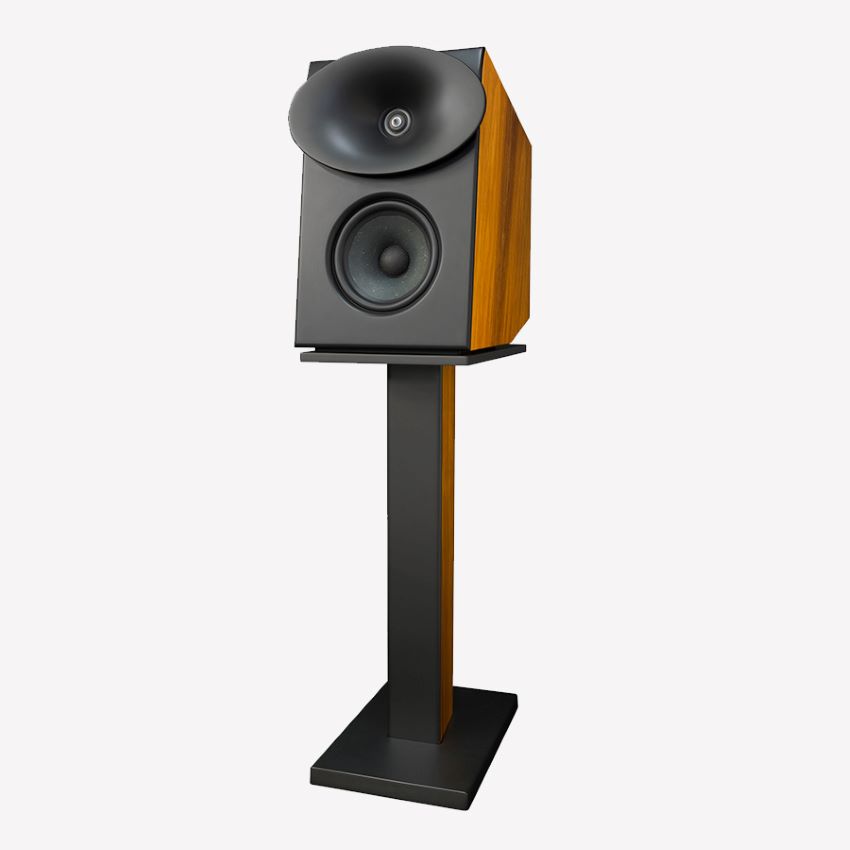
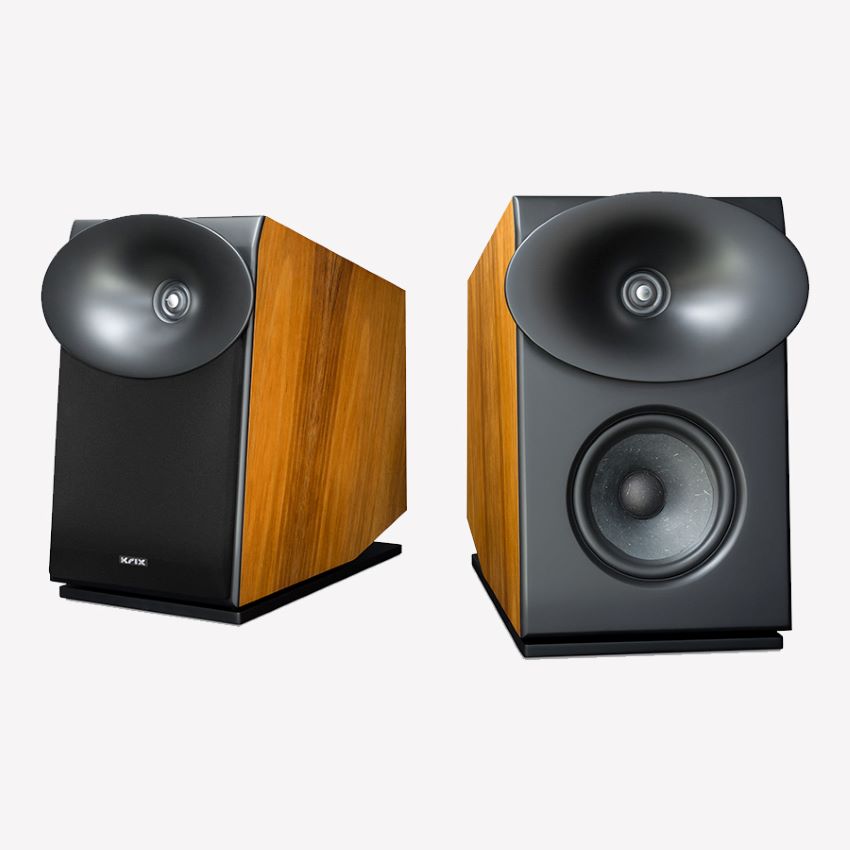
Andrew Hutchison: It’s. It’s got a. A couple of things going on. It’s got this free range, not flush mounted wave guide arrangement for the tweeter.
Andrew Hutchison: Yep.
Andrew Hutchison: It looks, of course, like a horn, and I guess it is in a way.
Scott Krix: It’s actually a wave guide.
Andrew Hutchison: What’s the difference between a wave guide and a horn, do you think?
Scott Krix: Well, horn’s actually just a, Well, it needs a compression driver and the, output impedance, essentially short words of the compressed, needs to see a high impedance load.
Andrew Hutchison: Okay.
Scott Krix: So it transfers energy a lot more efficiently if the throat of the horn matches it.
Andrew Hutchison: Okay.
Scott Krix: So it’s impedance matching device. and that’s what basically transforms very small vibrations.
Andrew Hutchison: Into lots of.
Scott Krix: And then it reduces at higher pressure and then transforms that to lower pressure. higher spl, sort of. So that’s a transform.
Andrew Hutchison: There’s probably a lot of people who don’t fully understand that. Everyone’s. Everyone. Everyone who loves a bit of hi fi. Probably has heard the expression compression driver.
Scott Krix: Yes. Yes.
Andrew Hutchison: While we’re on the subject. So what’s the real difference between say a compression driver and just a normal soft dome tweeter?
Scott Krix: Well, usually the dome of the compression driver is made out of metal. Yeah. And, it’s in a fairly intense magnetic field. And it’s got a face plug arrangement that transfers the energy into a smaller neck. Yep. And that the aperture. And then that sits on the horn. Yes. And that’s to be basically a horn or an exponential horn or a constant directivity horn.
Andrew Hutchison: So the compression driver is sort of loading a space, hence the expression compression, I guess.
Scott Krix: Yes.
Andrew Hutchison: And then it expands out via the horn.
Scott Krix: Yes, that’s right.
Andrew Hutchison: Obviously none of that happens with a soft dome. And then in turn, the soft dome.
Scott Krix: Would never work on a horn, essentially because the impedance of the throat horn is not matched to the dome. No, it just doesn’t fit. But essentially what a waveguide does is just essentially guides the wave. Yeah.
Andrew Hutchison: The clue is in the title.
Scott Krix: And it increases the sensitivity on axis. It actually reduces the dispersion to control.
Andrew Hutchison: It by effectively, I guess, narrowing the dispersion. You got the same amount of spl, but over a smaller radiation area, squeezes.
Scott Krix: It to a much more.
Andrew Hutchison: Increases the sensitivity, obviously.
Scott Krix: That’s exactly right. So.
Andrew Hutchison: And that’s what you wanted to do. now the. I don’t understand and we probably don’t need to, but I mean, I’m not sure who who came up with the industrial design or
01:05:00
Andrew Hutchison: the idea for that loudspeaker.
Scott Krix: Yeah.
Andrew Hutchison: Excuse me.
Scott Krix: Well, it was a combination of Dave Murphy, our born waveguide specialist, and John Sweet. Got our industrial design guys.
Andrew Hutchison: Yeah.
Andrew Hutchison: Okay.
Andrew Hutchison: Yeah. A melding of minds
Scott Krix: A melding of minds Yes. It was quite good.
Andrew Hutchison: So standing in the background, poking them.
Scott Krix: Yeah. I want it to look. We’ve tasered them.
Andrew Hutchison: I want it to be tastes. I want it to look cool.
Scott Krix: Yeah. Well, Johnny just came up with it.
Andrew Hutchison: Yeah.
Scott Krix: Okay. And I looked at. Hell, it was in a different box.
Andrew Hutchison: Yep.
Scott Krix: But then we listened to it because it’s the Revelator tweeter.
Andrew Hutchison: Oh, it’s a Revelator tweet.
Andrew Hutchison: Okay.
Scott Krix: Yeah.
Scott Krix: It’s going serious Tweeter, you know, from DC To Light, just about.
Andrew Hutchison: And. And I want to jump in and say it’s a waveguide, and it was before the fashion.
Scott Krix: Yeah.
Andrew Hutchison: Of wave guides
Scott Krix: That’s right.
Andrew Hutchison: I mean, it was. I mean, it’s been around for 15 years. Is it?
Scott Krix: Yeah. Probably not quite that long, but. Yeah. In that.
Andrew Hutchison: 10 or 12, though.
Scott Krix: Yeah, it’d be something like that, I think. Something like that.
Andrew Hutchison: The waveguide fashion started.
Scott Krix: Oh, that was millions of years. We did the Waveguide, you know, surround speaker, years ago, because we needed to put that X curve on a surround. Yep. So we just sculpted the, front baffle, an 80mm front baffle, and put a bevel on it.
Andrew Hutchison: Yep.
Scott Krix: And that lifted the. The lower frequency. Lower part of the high frequency. Sort of about 1. About 5 or 600 to 1K. Lifted that by 6 or 8, 6, 4 or 5 decibels. I can’t remember. And then it rolled off nicely. Yeah. So essentially, it was wave guiding.
Andrew Hutchison: Yes.
Scott Krix: To about 3K.
Andrew Hutchison: Yeah. Yeah.
Scott Krix: And then it was a little bit more, omnidirectional from after that. So that got that acoustic.
Andrew Hutchison: Yes.
Scott Krix: So we did a wave guide for that.
Andrew Hutchison: So that’s Donkeys years ago.
Scott Krix: That was Donkeys years. That was 23.
Andrew Hutchison: So yet again, you beat everyone.
Scott Krix: I think it’s been around for a million years. It’s just come fashionable, everything.
Andrew Hutchison: Well, I mean, you could talk fashion for a second. I mean, there is so much fashion in the hi Fi business, and, like, a lot of fashion in the clothing world. things come back.
Scott Krix: They do.
Andrew Hutchison: And horns are back. They never went away for you, but they are back in domestic order.
Scott Krix: Yeah.
Andrew Hutchison: Big drivers are back.
Scott Krix: Yep.
Andrew Hutchison: Big baffles are back.
Scott Krix: Yep. Yeah, they are back.
Andrew Hutchison: I want to say they’re back. A lot of people are probably More interested in the 70s and 80s, you know, JBLs and things like that.
Andrew Hutchison: But.
Andrew Hutchison: But there is a few new makers of them as well. Yeah, there’s some that never went away. You can think of say. harbeth have always made a whopping great 12 inch 3 way thing.
Scott Krix: Yeah.
Andrew Hutchison: nothing’s changed. They’re sort of a spin off of a BBC design, I guess. But I mean it is the 70s coming back. Yeah, but it’s not just that, it’s. It’s in other things as well.
Scott Krix: Yeah.
Andrew Hutchison: but we’ll go back to these territory probably jumping around a bit. But I, I like to. I mean, it’s. The thing is, my point is, what I’m getting at is that these were good ideas then, they remain good ideas now. It’s just fashion. I’ve had a guy swearing at me on the YouTube comments the other day that there’s no way that loudspeaker could image. Because I might have put words in my marketing team’s mouth about the wide baffle loudspeaker designer we were speaking to at the time. I think he had said actually how well they image and this guy’s keyboard wiring away. There’s no way a wide baffle can image. Well, what logic is that? I mean, that was the marketing spin on a narrow baffle. The 90s narrow, tall floor standards was that they imaged better in your mind they should image. They could image better. But of course it’s got nothing to.
Scott Krix: Do with it though, does it? It’s just the acoustic.
Andrew Hutchison: If you control the diffraction.
Scott Krix: Right. Yeah. Yeah. Well, there’s many other ways of getting it to image probably.
Andrew Hutchison: Yes.
Scott Krix: And I think sometimes with wave guides or controlled dispersion is really a good way to get an image from it.
Andrew Hutchison: Yes.
Scott Krix: And I think it’s all about how the loudspeaker dispersion characteristics work, how linear.
Andrew Hutchison: They are across the band.
Scott Krix: Or across the band. Because it should be pretty well constant all the way through.
Andrew Hutchison: Yes.
Scott Krix: And one thing about the esoterix Altums is that you’ve got a six and a half inch bass driver. and the dispersion pattern matches the tweeter.
Andrew Hutchison: Yeah.
Scott Krix: Thanks to the wave guide.
Andrew Hutchison: Yes.
Scott Krix: At crossover.
Andrew Hutchison: At the crossover.
Scott Krix: And it stays pretty well like that all the way through. Yeah, yeah, yeah. So you get the constant amount of energy in the room. Doesn’t change much.
Andrew Hutchison: No.
Scott Krix: And that’s really where horn systems are the same in a lot of rooms is that you know exactly where it’s going to be and it doesn’t go off the walls. The energy in the room remains constant and you know, you get the sound where you want it and it doesn’t change. No, you know, I mean THX did that millions of years ago. They wanted a first order relationship between the real low frequency and when it got to the higher mid base.
Andrew Hutchison: Yeah.
01:10:00
Andrew Hutchison: Okay.
Scott Krix: And so that was the first order matching and then it was basically consistent all the way up. This is in the horizontal plane. And that makes sex. That makes sense. Not like sex. That makes sense. It could. It probably did.
Andrew Hutchison: Certainly horns and sex.
Scott Krix: Oh yeah, they do. So what?
Andrew Hutchison: From a number of different angles.
Scott Krix: you’re digging a bigger hole here.
Andrew Hutchison: I might just stop talking thx. You know, no one talks about it much anymore but really I think they had a lot of good ideas. Do you think that they did?
Scott Krix: No, I think they did. They actually Well it’s interesting because our Infinite Baffle, we produced that and I think the first one was about 1980, but they introduced the Infinite Baffle in commercial cinema around 82, 83, 84. But we’d already done a few by that time so there was a little bit of a contest. But essentially it boiled down that, you know, we’d just continue doing it. But we got to know the THX tech people pretty well.
Andrew Hutchison: Yep.
Scott Krix: Okay. Went out to the to Skywalker Ranch. To the Ranch. To the Ranch and had a look at that and their folly cinemas and you know, post production stuff. And that was a really good relationship that we ended up doing. And we got a lot of THX approval in our commercial cinemas and we were the first people in the world to get our four way speakers. THX approved. We also the first people to do a dual 18 inch subwoofer in commercial cinema. Everybody’s using single 18s and I thought what’s the point? Because you’re going to use two more to put in one box. It’s a bit more efficient. Oh it is. And then we got away from foam surrounds because we knew that was going to fall apart.
Andrew Hutchison: Yes.
Scott Krix: And so we redesigned it with a textile surround and all that sort of stuff which wasn’t hard to do but it was just somebody, just somebody did it, you know.
Andrew Hutchison: So you. Well, we are jumping around a bit, but I mean, but, but, but I like it. We’ll come back to the esoterix although I think we covered the fact that it’s, it’s constant directivity. Yeah, you know, it’s a. Look it up folks. It’s a it’s A cool looking little thing.
Scott Krix: Yeah. It’s a lovely sounding speaker.
Andrew Hutchison: Yes.
Scott Krix: Forever. And it’s interesting the people that buy it. people. There’s a lot of people in the wine industry. I know. Well, yeah. And they have it and I have to plug. But it’s in the Penfolds VIP tasting room.
Andrew Hutchison: Is it really?
Scott Krix: Yes, we supply the system.
Andrew Hutchison: I haven’t been there for a few weeks. I’d forgotten. I’ve never been invited into the VIP tasting room. I’ve only been to Penfolds, I think twice in my life anyhow, and it was a long time ago.
Scott Krix: Yeah.
Andrew Hutchison: Speaking of Penfolds, you did tell me once.
Scott Krix: All right, okay.
Andrew Hutchison: Well, now we are jumping around. But why not? You’ve mentioned Penfolds.
Scott Krix: Yep.
Andrew Hutchison: You maybe help them out sometimes?
Scott Krix: Yeah, yeah, we help them out. Yeah. We let them know, how we help them sell into China. Of course. No, we, Because I have a foot in the grape growing business.
Andrew Hutchison: Yeah.
Scott Krix: Relationship with Penfolds. Okay. Yeah. And it’s been pretty good.
Andrew Hutchison: Do you know where your. Which bottles your grapes? Yeah.
Scott Krix: Ah, I’ve got a pretty good idea.
Andrew Hutchison: Is that right?
Scott Krix: Yeah.
Andrew Hutchison: Okay.
Scott Krix: I can’t remember the numbers. No, no.
Andrew Hutchison: But it’s worth a three digit number of some sort. I guess.
Andrew Hutchison: Yeah, probably.
Andrew Hutchison: Yeah. But it’s not a one word.
Scott Krix: No, it’s not Grange. No, we do produce the 389 and Sononrian. Grange.
Andrew Hutchison: Is there a.
Scott Krix: We get our fruit
Andrew Hutchison: 389’S a good drink.
Scott Krix: 389’S got. I like St. Henri.
Andrew Hutchison: I like it all actually, kind of thing.
Scott Krix: Yours worse than me. I got into it because I like wine. It’s as simple as that. And I got to know some very interesting people in the industry. They are sensory people.
Andrew Hutchison: Well, there’s a lot of parallels, isn’t it?
Scott Krix: Yeah, that’s right. And these people, the chief womo, for example, you know, his palette is absolutely brilliant.
Scott Krix: But he loves his music. He knows all the musicians and all that sort of stuff.
Andrew Hutchison: Is that right?
Scott Krix: Yeah. Okay.
Andrew Hutchison: Is this ah, how the loudspeakers ended up in the tasting room?
Scott Krix: That’s right, yeah. Because Penfolds, I don’t know if there’s the other term, but they weren’t particularly interested in actually financing a decent sound system. Pete. Look mate, we’ll lend it to you, okay? Forever.
Andrew Hutchison: Yeah, Right here.
Scott Krix: Sales.
Andrew Hutchison: Yeah.
Scott Krix: And we’ll just lend it to you. Okay. So we got a color that was very close to the Penfold red. They wouldn’t let us have it. But they give us a pretty good idea of what red it was. So we did it in gloss. Yep. And put, the Electra amplifiers in. Yeah. Okay. And the processing required and all that sort of stuff.
Andrew Hutchison: Yeah. Right here.
Scott Krix: Ah. So they’ve got a nice sound system for there. Okay. And that was. That was really nice. The relationship. Relationship’s been quite strong like that. I mean, it’s just a nice thing to do.
Andrew Hutchison: It is a nice thing to do.
Scott Krix: And they were allowed. They let us sort of brag about it. So that’s pretty cool.
Andrew Hutchison: It is.
01:15:00
Scott Krix: But there’s another thing that happened. Yeah. Which you might be interested in, is that I got this phone call one day, I think it was on a Friday. And, one of the grape liaison officers says, oh, can we come down?
Andrew Hutchison: A grape liaison officer?
Scott Krix: Grape liaison officer. He was the chief. Yeah. And he said, oh, can we come out? I got a visitor from America.
Andrew Hutchison: Yeah.
Andrew Hutchison: And can we just drop down and see your vineyard? You know, he’s interested in grapes. I said, fair enough. so I said, what are you doing? Oh, about an hour. I said, all right, fair enough. I’ll see you there. Okay, that’s cool. So turn up Chief Winemaker’s there, Peter Gago and a few other people, and there’s this American. I said, okay, introduce yourself as Kaine. What’s his main. What’s Tool’s. Tool’s name again? Maynard Keaton. Keaton Tools. The Tool. Lead singer for Tool.
Andrew Hutchison: Oh, for Tool.
Andrew Hutchison: Oh, I don’t know, Maynard. I know. I know how he sounds.
Scott Krix: Yeah. Maynard. this is a bit embarrassing, really, but I got introduced to this guy.
Andrew Hutchison: So that’s who it was then.
Scott Krix: Yeah.
Andrew Hutchison: Wow.
Scott Krix: And I said, oh, that’s pretty cool. I said, yeah, he’s a dude. Yeah, he’s American. That’s fine. He had a nice girlfriend. You didn’t notice? No, I didn’t know. Pete says, oh, he’s the lead singer for Tool. I said, oh, yeah, that’s good. Anyway, talk about vines and grapes and the other thing that happened. I’ve got this dog and it found some dogs, so it’s busy rolling in dog stuff. That’s canine, Kanon Chanel 5. So we had quite an interesting discussion about grapes. He just loves that sort of stuff. I didn’t even know who he was.
Andrew Hutchison: Well, you probably had heard some of the music. Unintentionally, not realizing. But, yeah, my attention was drawn to them. They had this amazing film clip about, I guess, 20 years ago. Yep. with all this sand in it and stuff. I can’t even hardly remember how it goes now. It was a great piece of music and I’m not particularly into heavy rock.
Scott Krix: Yep.
Andrew Hutchison: But, or metal as I guess. Borderline on. But they’re a bit better than that. I mean they’re The album we use occasionally at shows and that is, you know, it’s very interesting stuff. Beautifully recorded as well. You certainly. He certainly must have an interest in in great sound.
Scott Krix: Yep.
Andrew Hutchison: Because they have very high production values, you know.
Scott Krix: They do, yeah.
Andrew Hutchison: It’s not just some raucous 70s Pommy recording. it’s it’s beautifully made,
Scott Krix: Yep.
Andrew Hutchison: Beautifully made music.
Scott Krix: Yep.
Andrew Hutchison: So, yeah, that’s up. Let’s talk celebrities for a second.
Scott Krix: Yeah, I just want to go further with that one.
Andrew Hutchison: Sure. It gets better.
Scott Krix: Yeah, it does get better because, you know, son Tim comes home, he drove past and I was with him and I went up to him and said, this Maynard guy from Tool, do you know anything about it? He said, yeah, he said, I’m going to go and see him tonight. There’s a concert. Oh shit. I said, oh, yeah, well, he was here just then. What.
Andrew Hutchison: So he just left.
Scott Krix: He just. I was still talking to Tim, had gone home. He said he could have been. I talk to the people at work and they’ll never forget it. Anyway, that was just something you do. And I guess Peter, the great. The winemaker. yep. Like I said, he’s a. He loves his music. He’s a very, you know, he’s a sensory type of guy.
Andrew Hutchison: Yeah.
Scott Krix: And you know he gets to know these people really well.
Andrew Hutchison: You know, I guess they’re high level customers or something.
Scott Krix: They are. They go to the VIP rooms and they might. He. I think Maynard would drink a bottle of Grange while he’s singing. You know, he’s got it in the background. That’s how it works. Yep. Yeah, yeah. People that he bumps into all over the world.
The HiFi Shop
Andrew Hutchison: So the hi Fi Shop is the home of quality hi Fi experience. The best of everything from affordable turntables to not so affordable high end loudspeakers. Let Alex curate a complete system for you or have him, using his technical background, assist with your next upgrade. Visit in person or check the website hifi shop.com for easy information on all of your favorite brands. Go straight to the top. Speak to Alex at hi Fi Shop now.
Scott Krix: I think your ears tend to fill up the bits.
Andrew Hutchison: It’s so much like wine tasting, isn’t it?
Scott Krix: Yeah. That’s it. Exactly. I mean, it’s most sensory stuff.
Andrew Hutchison: And the reason why I mentioned this is it comes full circle back to the hi Fi enthusiast.
Scott Krix: Yep.
Andrew Hutchison: And not having a cracker. Them.
Andrew Hutchison: Yep.
Andrew Hutchison: It’s just there are things perhaps more at play than just maybe balance. Although I agree, I think balance is really important.
Scott Krix: Yep.
Andrew Hutchison: What, in fact, maybe
01:20:00
Andrew Hutchison: what I should just ask is, what do you think is the number one thing to get right with a. With a loudspeaker design, perhaps? Is it balance? Is it. Is it smoothness of response? Not necessarily a linear response, but. Or is it headroom? Is it dynamics? Is it base extension? Is it.
Scott Krix: Keep going. So it’s all of these things, basically. Yeah. You’re doing well.
Andrew Hutchison: Well, you know, it’s got a look cool as well.
Scott Krix: Oh, mate. Oh, yeah. It’s got to look cool. Yeah.
Andrew Hutchison: Well, that gets back to the wine thing. So. Hi Fi. That looks better. Sounds better, right?
Scott Krix: yeah. I think, unfortunately there’s an element of that and that’s some of the things, because we tend to be a bit form and function. But, you know, you got to stick it in the living room and people want it to look like. That’s right. Or your man cave.
Andrew Hutchison: But even if it’s going in a man cave, it’s got to look. It’s got to have the right look.
Andrew Hutchison: Which clearly you’re sitting in the speakers.
Andrew Hutchison: They have that look.
Scott Krix: Yeah. You know, for audiophile people. It depends on who they are, but what they listen to. But some people that enjoy music, they’ll, just enjoy lots of different ones. And I’m in that class because I just.
Andrew Hutchison: Different music or different systems? Different systems, yeah. Oh, I think you’ve got to have two systems. Yeah. I’ve kind of always had two. I guess you’ve got the very informative, accurate one and the, more one along the lines we’re talking about with the mellowness and the late night sort of.
Scott Krix: Yeah, yeah, yeah. It’s sort of like port and a fire.
Andrew Hutchison: There’s a little bit of that, isn’t there?
Scott Krix: Yeah.
Andrew Hutchison: To continue the wine, sort of.
Scott Krix: Characterization, then you just slide out 16B roll offs 3db after midnight.
Andrew Hutchison: That’s right. On that note, it’s lunchtime and we need to crack a bottle of wine.
Scott Krix: I think you’re right.
Andrew Hutchison: Scott. Thank you so much for your time.
Scott Krix: That’s a pleasure. We could go on for another couple of days.
Andrew Hutchison: Oh, yeah, no, it’s, it’s. I’ll wrap it up. I. I feel like in the future There. There’s a chat. I’ll have to think about some, more detailed and focused questions.
Scott Krix: Yes.
Andrew Hutchison: Rather than this rambling conversation that has been thoroughly enjoyable.
Scott Krix: Yeah.
Andrew Hutchison: Thank you so much. Enjoy the rest of the. The convention.
Scott Krix: Thank you very much.
Andrew Hutchison: And I’ll see you. Oh, it’s absolute pleasure. And I’ll see you, at the next, Well, some event somewhere.
Scott Krix: Look forward to, part two or the sequel or the prequel. Depends on which one.
Andrew Hutchison: Well, depends what we talk about. But this episode will go up soon, so I guess it’ll be the sequel.
Scott Krix: Well, look, I’ve actually enjoyed talking about. Talking with you about this.
Andrew Hutchison: Thank you.
Scott Krix: Yeah. been a laugh, you see. We know we’ve recorded it, unfortunately. I think we might have the same attitude towards this.
Andrew Hutchison: There’s a little bit of that.
Scott Krix: Yeah.
Andrew Hutchison: I think it comes with, Doing it for a long time.
Scott Krix: Yeah, I think so. Yes. And don’t take it too seriously. And I think that’s.
Andrew Hutchison: No, folks, don’t take it too seriously. I mean, but really, the whole thing is about fun at the end of the day. And music.
Scott Krix: Absolutely.
Andrew Hutchison: I think that’s what we.
Scott Krix: Yep.
Andrew Hutchison: Believe in. And, And probably take it slightly less seriously than.
Scott Krix: Yeah.
Andrew Hutchison: Not all the time. When you’re knuckling down on something, you’re.
Scott Krix: Super serious, but the rest of the time.
Andrew Hutchison: Alrighty. Thank you, Scott. Thank you again. And we’ll talk very soon.
Scott Krix: Absolutely. Thank you. Bye.
01:23:24