


Not An Audiophile – The Podcast featuring You Tube Sensation, Danny Richie from GR-Research. An in depth discussion on speaker design, controversial brand upgrades and much more.
Podcast transcripts below – Episode 045
TRANSCRIPT
S3 EP045 – Danny Richie GR-Research You Tube Sensation
Danny Richie: I don’t rehearse anything i don’t plan it that much it’s just in my head i turn the camera on i hit record and i and i get out whatever’s in my head i guess i’d done maybe fifteen or maybe twenty of those tech talk videos and it was getting as many views as everything else on this channel.
Andrew Hutchison: March audio a not an audiophile show partner for the discerning audio enthusiast performance and precision matter that’s why march audio employs purify technology to engineer award winning loudspeakers and amplifiers go now to marchaudio dot com march audio for the discerning audio enthusiast.
Danny Richie: Foreign.
Andrew Hutchison: Welcome back to not an audiophile it’s a new year twenty twenty six therefore a new season season three this is episode forty five i’m andrew hutchison and today we we being brad serhan and myself speak to danny richie from gr-research we asked danny some of the hard questions about not just cheesy parts but also what the hell is a tube connector and many other things take a listen it’s ridiculous danny i i’ve watched your videos on and off for actually i don’t know how many years you’ve been doing them for i know you’ve been building speakers forever but the yeah the this the video the youtube channel what six or seven or eight years.
Danny Richie: Or something i don’t think it’s been that long maybe four four or five years maybe it feels longer yeah it was an accident it was five years i think it’s fine yeah yeah i didn’t i didn’t set out to do a youtube channel or anything it was it was ron bernays fault ron sent out messages to about thirty different manufacturers and asked if any of them would be willing to do a tech talk style video that he could launch on his channel on tuesday so tuesday tech talk okay and a couple of companies responded i responded i said ah yeah i could probably do that so he sent me a little webcam and told me how to use it and stuff and told me to record a video maybe fifteen twenty minutes or something okay and and then upload it to my google google cloud there or whatever it was yeah yeah and then he would he would download that and edit it and do whatever and i said all right i’ll see what i can do i’ll put something together so i recorded a video and uploaded it to the google drive and he got it down and watched it and he called me he said i can’t believe it i can’t believe what you just did and i said what do you mean what happened and he said you did that whole thing in one take i said what was i supposed to do and he said no man i like spliced it together and edited and he said you did the whole thing without stopping m and i said well i didn’t know what else to do i’m new at this so and i’ve done it that way ever since i just i don’t rehearse anything i don’t plan it that much it’s just in my head i turn the camera on i hit record and i and i get out whatever’s in my head and then i give it to ron to let him edit it and so anyway it was about oh i guess i’d done maybe fifteen or maybe twenty of those tech talk videos and it was getting as many views as everything else on this channel and he said you know i really should spin you off into your own channel okay oh okay of course and he did that and and he moved the videos from the tech talks over into it so there was substance there but i had no subscribers and no one knew that i was there so i had to kind of start from scratch and and gain viewers so it just happened by chance like i said i didn’t plan to do that but once it took off it definitely was great for us and for just advertising yeah and of course it got me known by my face and not just by my work it kind of put a face to the to the job you know and so now everybody recognizes me which is also kind of kind of weird to.
Andrew Hutchison: Be honest with you well i mean we could talk about that is it it’s the funny thing isn’t it that you can if you you’ve sort of started out semi accidentally you’ve fallen into this thing i mean obviously you’ve got a natural gift for it and you have the knowledge of course that you can impart but so now you’re kind of a minor celebrity you go to a hi fi show or something i guess and you’re kind of beating people off who want to what get your signature perhaps or is.
Danny Richie: It not you know they want they just want they just want photos and they want to tell me about their system as usual okay yeah what’s funny is i’m only a celebrity within the audio community if i go out in the rest world
00:05:00
Danny Richie: rarely does someone recognize me well that’s that’s probably the.
Andrew Hutchison: Best kind of celebrity though isn’t it.
Danny Richie: Really best kind it really is it’s the best kind you sort of switch it on and off i went to i went to poland to the indoor track world championships for the masters and i got off the plane in warsaw and i was headed to baggage claim and i got recognized by somebody in poland and i thought oh like is this gonna happen the whole time i’m here it didn’t happen the whole time i was there but it was funny that i was recognized immediately and they knew my name and the company and everything else and i thought this is kind of weird you know but yeah if i’m at a show or something yeah then i can’t i can’t walk around at a show without everybody wanting to say hello and stuff like that which used to all of us manufacturers knew each other and we all chatted and we would go to dinner together and do things after hours everybody kind of knew everybody within the industry so to speak but it’s it’s different now that now that everybody has seen my my face and love me or hate me and and i’ve got both i get recognized so it kind of freaks my wife out if she goes to a show with me she’s like damn it man like this is crazy who are these people why do these people want to talk to you well it’s it’s it is it.
Andrew Hutchison: Is kind of the new world it’s not that i mean youtube’s been around forever i get not forever but for you know for a very long time twenty odd years i guess but it’s yeah it’s it’s something that in more recent times particularly i guess in the maybe all industries that in the audio industry you know now it’s this it’s kind of how it’s kind of i mean that youtube’s replaced the magazines to some degree right i guess back.
Danny Richie: In the day you know i think so i think and i’m real big on this i think that the the young and coming youtube reviewers will totally replace all of the traditional magazines yeah i firmly believe that i think the guys that are so used to picking up stereo file or the absolute sound those guys are older than i am and the younger audience that’s coming into audio they’re not gonna pick up a magazine they don’t go to a newsstand by the latest magazine they want information on their phone or on their computer yes and they want it in video format and they want somebody to tell them about that product that’s what they expect so i think it’ll totally replace all the online magazines at some point i just i don’t think the online magazines can even even compete i remember when i would do shows and i would get shaken down by those magazines to do advertising and i remember one of them tell me they do like twenty five thousand publications per print you know and they’re and they’re trying to say look in twenty five thousand publications well there’s times i’ll drop a video in a week i’ve got more than twenty five thousand views yes so it’s it’s a new world.
Andrew Hutchison: It really is it’s incredibly powerful and i guess we we do audio only we do a few videos mainly of show reports and what have you things that are kind of easy to produce because what people don’t realize who are watching your show although you say you do it in one take you would be the the only person on the planet who’s making youtube videos really quickly and easily because it feels like it’s an enormous amount of work but you’re saying you you do the you do most of it in one take without too much prep and then someone else is doing the editing because i feel like that’s the time.
Danny Richie: Yeah i always do it in one.
Brad Serhan: Take okay all right that’s impressive mate.
Danny Richie: Fairly i hand a chip now to to ron who does the editing and there’s times and ron knows this of course he knows to kind of watch for it but i have some sometimes with my allergies and stuff i’ll have some sinus issues and i may have to stop clear my throat or clear my sinuses and then keep going and then he’ll edit that out of it you know so people don’t see me having to like give a sniffle or something yeah but other than that i don’t i don’t take a break in it i just go through the entire thing and then he’ll throw up any measurements that i do i’ll email those to him and he’ll he’ll pop them up into the video somewhere and he’ll create the thumbnail and the title and sometimes it’s a week or so since i’d given him that video before he has it ready to launch so sometimes when i watch it i kind of watch it just like everyone else and wondering what did i do on that one what did i say and i’ll and i’ll watch and think oh i’ll be doing that that one went pretty well yeah there was no there was no prep that went into it or anything i just do it on the fly and then and then later i’ll see how it turned out you know so yeah no that’s
Andrew Hutchison: That’S kind of cool and i i understand that to some degree you just want to make sure you don’t fall in love with your own stuff too much but hey so look i sort of i feel like to some degree you’re
00:10:00
Andrew Hutchison: you’re the bravest man in the hi fi industry in a way because you you do take on consensus take on consensus sorry yeah.
Brad Serhan: No take on consensus no i i agree with you andrew i haven’t said.
Andrew Hutchison: Anything yet well you mean in regard to being brave yeah i mean brave from the point of view danny danny that that you you sort of don’t you know step away from having a crack at some of the biggest brands and some some of perhaps the famous more famous designers sure pull apart their work a little bit or analyze it critique it and then of course you know audit yeah and sort of and of course describe some of the internals as being a little cheesy which of course everyone enjoys so there’s two ways we could go with this question kind of.
Danny Richie: Stuck when i started saying cheesy everybody everybody kind of keyed on that and thought it was funny and now it’s like i can’t describe that stuff any other way no no no no we.
Andrew Hutchison: Love it it’s i guess and i think it’s it’s i think it’s a term that the trade probably probably always used to some degree but you’ve you’ve made it a publicly.
Danny Richie: Known saying funny people make fun too because i started out and i’ll say hey everybody which is just typical of us here in texas and for some reason that kind of stuck and ron says you have to say that at every oh no you do you.
Brad Serhan: Do andrew and i greet each other every time we i call andrew we just go hey everybody and that’s branding it’s brilliant branding hey hey hey.
Andrew Hutchison: Everybody i can’t quite do it but we love it so it’s great accent and and it’s a great it’s you’ve got to have everyone’s got to have a gimmick right so you’ve got that are you familiar with edgar kramer well you should be he’s australia’s most renowned hi fi reviewer and his website soundstage australia dot com is well quite amazing incredibly detailed well written reviews on all sorts of interesting hi fi componen interviews with industry luminaries factory tours and of course news don’t forget soundstage australia is part of soundstage global network so when you’re finished with this podcast go to soundstageaustralia dot com and check it out we could talk about all of your catchphrases but i think everybody knows them so we won’t but the the i mean how did you get started you obviously designed your own loudspeakers in fact i was flicking through your archive on your website this morning and there is an impressive array of previous projects in there yeah you couldn’t fail to know something about loudspeaker design at this point purely based on the enormous array and variety of styles and design techniques if you like of this this i mean there must be i mean do you know how many different designs you’ve conjured excluding the modifications you’ve done because it looks like it looks like you might have built fifty different completely different designs over the years is that the case or is it.
Danny Richie: Yeah maybe more than that and i’ve done a lot of design work for other companies yep and i’ve designed product lines and drivers and things like that that there’s a lot of those that are out there some that people are well aware of and then some that people were not that well aware.
Andrew Hutchison: Of you know and you can’t talk about that because it’s secret or.
Danny Richie: It’S no most of them i can i can talk about like it wasn’t real public whenever i did the redesign of the usher be seven hundred and eighteen yeah okay yeah at the time they were paying joe diopolito for the use of his name and publicity and he would just sign off on the models that were actually being designed there in china and you know just test and measure and sign off on it and they really wanted to use his name because at the time he was very well known he was hot yeah i was i was little known in the industry i was still gun for hire but i was i was lesser known but they brought that speaker to me and they said it it sounds okay but we sure wish this was a better performance speaker and we don’t know what to do to get it there and i see what i can do with it of course it just had it had really well designed drivers but it just had average parts in there that were of no significance and some things that shouldn’t be in there so i just i didn’t even redesign it to a large degree there were values that were changed but it was a similar typology but it went in with sauna caps and big air core inductors and good mills resistors and so we shipped the parts to at that time ursi and had them assembled there and then those crossovers were shipped to china put in the speakers and they went into every speaker that was sent to north america and those were the ones they sent out to all the reviewers and it won every award at every reviewer and somehow i got a little mention in there somewhere about part selection or something like that but i did the whole thing so that was probably one of the lesser known companies that i did i did work for and then the problem was
00:15:00
Danny Richie: they sounded a lot better than all the bigger models because the bigger models so all the dealers were asking when can we make these larger models sound as good as the smaller one and i think that was a kind of a bottleneck and because they spent so much on the crossover parts you know once you start spending two hundred fifty three hundred bucks on on parts repair it ate up the profit so it kind of became a loss leader and it wasn’t feasible for them to do that across the whole product line without raising the prices to compensate for that and they didn’t want to do it so that one model kind of ruined the line in a way you.
Andrew Hutchison: Know so that was your fault the so that so the when did you i mean if that was mostly what the mods were to that particular model were premium components less cheesy parts what at what point did you sort of years before i guess did you cotton on to the to the fact that you know that that improved quality capacitors air cord inductors etc sort of gave you a significant audible improvement.
Danny Richie: We kind of figured it out early on when i first started it was with a partner that is the g in gre okay and we started really doing a lot of listing comparisons and companies were sending us capacitors and things for us to try and and we were looking at having some specific capacitors made and and we had some caps made for us i think by infini cap at the time and i remember they sent us three point one microfarad caps and they were they were all three they were bypass caps and they were the same cap but one was wrapped in a polypropylene coating and the ends were sealed one had a polypropylene coating around the outside but the ends were open so all the copper end caps were exposed and the other one was wrapped in what looked like tissue paper okay and it was we were afraid that one was going to fall apart if we dropped it but we compared the sound quality of those and it was clear the one that’s just wrapped in tissue paper had the best sound we thought dang these are the same capacitors you know and it’s just a difference of the coatings and you know so we we figured that out year one that we were we were working together on stuff and so and then the havlin cap sounded better than an audio cap theta that we were trying all of those caps that we were trying at the time they all had a different sound to it so it just it kind of pushed us down that path of spending the time listening and making comparisons and figuring out what had the best synergy m realizing some things didn’t we were using a focal tweeter in those early models and there was a kind of a love hate relationship that i had with that tweeter if if you had a tinfoil cap or copper foil cap or something on that that was really lush and smooth and you had that speaker on tube gear or in a treated room that tweeter was beautiful but if you had it with a like a an aluminum foil cap on it or if you had it with solid state gear in an untreated room that tweeter would take your head off yeah is that the we kind of.
Andrew Hutchison: The inverted dome was yeah yeah it.
Danny Richie: Was inverted dome so i see we yeah we learned synergy was pretty important you know right from the get go.
Brad Serhan: So we had a stanley just we had a we were using a raw ribbon tweeter and brands but we were using some more recaps yeah it was a third order filter on it and that that combination worked really well but we couldn’t get particular value of oricaps so we tried another brand so it was another brand with just to sort of see how it sounded oh my god the whole combination just it became clinical and bright and you know so i we quickly waited till we got the other other value but definitely you’ve got to juggle with the synergy absolutely hey yeah it.
Andrew Hutchison: Raises an interesting question that observation danny that you your curiosity was obviously aroused you were trying these different caps and you were getting improved sound etcetera what did you then try to and i have no idea what parameters you would try to measure but did you then try to measure it in some way to try to understand maybe what the secret source was that you know for future reference is there any is there any way and i don’t want to sound like someone from asr because i’m not but but was there any way to sort of because it obviously helps if you can understand in a measurable way what was going on did you give that a crack.
Danny Richie: There was a significant curiosity there and
00:20:00
Danny Richie: i want to say around nineteen ninety eight my partner and i split m and basically it was really better that we remain friends and not business partners because we were both kind of alpha males which is great when you’re pals but in business someone has to be making the decisions steering the ship and you can’t both do that i think in a summation that was probably that was probably it for us so when we split i kept gr-research and went deeper into loudspeaker design and really learning that into the trade while he went on to develop capacitors.
Brad Serhan: He.
Danny Richie: Developed the sonic caps which turned out really well and i got to to demo and listen to those and then compare those to everything else and i was i was impressed enough to to start stocking those and using them i really really liked them as a kind of a top level cap without getting into copper foil caps like jupiter or dueling or or something like that they hit a nice price point in the way they were designed and so he went really deep in the design of the caps and different films and how the thickness of film and the in the types of film changed the way the signal passed through it and you know the different types of end caps and connections and and what the makeup was of it and he he really dove into that and i for me i wasn’t interested in going into that part of the industry so it was great for us so i still buy thousands of of sonic caps from him and i use them in everything you know so yeah there was a curiosity there as to why for me there’s always a why but for me the why usually comes after hearing the effect it’s like i never go into it thinking this is going to sound a certain way or this is going to you know because it’s always wrong you know well if you yeah if you have a preconceived idea of what something’s going to sound like and then you listen to it and realize i didn’t do anything you know yeah you kind of it trains you to go into it more open minded and and not with the preconceived idea and just listen and decide what did it do okay now why did it do that how did it do that and you know and then reverse engineer what’s going on and that happened a bunch you know a bunch of.
Andrew Hutchison: Times that’s happened the the yeah so you didn’t really nut out that was a particular characteristic that was measurable that sort of equated to a particular kind of sound for instance you were saying that you know with that particular with that focal tweeter that you know you you needed this that you needed the right cap on it to to get it to sound kind of listenable although you did give the caveat of a of treated room and a tube amplifier as well so i.
Danny Richie: Mean yeah ah in those conditions i just loved it in those conditions yes.
Andrew Hutchison: Yeah yeah yeah it’s yes yeah i mean i think that’s where to some degree focal’s reputation for being kind of bright and shiny probably comes from although i don’t know that they’re still like that you would know better than me you’re trying to modify them no doubt yeah it’s it’s unfortunate that the the the world is not a simpler place where you could just go oh well that particular characteristic of that capacitor is this it’s going to sound like this ah it’s a shame it’s not like that so so i guess you’ve gotten used to the sound of those caps in in the sense that you know how to get the best from them and you kind of can predict the result a little bit more.
Danny Richie: I’Ve used enough of them in different applications to to have some level of predictability when it comes to cats the sonic caps don’t have a lot of coloration that they’re just really fast they’re really clean they don’t change things in any way to where things are harsh or brighter anything like that they’re a real smooth kind of a neutral but fast dissipating high resolution type cap and then you know i always still like copper foil caps but sometimes i just like them as a bypass you know it adds that airiness and lushness to this to the sound you know just just speeding up the dissipation rate of whatever cap you’re you’re bypassed it across and figuring out too what which ones work best sometimes i’ll spend a lot of time just trying different bypass caps just just listening to what they’re doing to the sound and figuring out what sounds best okay well a lot of work a lot of work.
Andrew Hutchison: It’S a hell of a lot of work hey let’s take a two second break hey now hi fi go and speak to jeff jeff haynes at hey now hi fi today or if you don’t want to speak to him and you should but if you don’t check out the website heynowhifi dot com au but speak to jeff he has an amazing range of products many exclusive to his own store but certainly all are very carefully selected to offer
00:25:00
Andrew Hutchison: incredible performance at entirely sensible prices heynowhifi dot com we’re here with danny from gr-research on not an audiophile today and of course brad serhan in sydney i’m in brisbane in fact everybody hey hey everybody one’s a bit of a piss week version isn’t it but anyhow it’s not my area of expertise hey what part of texas
Danny Richie: Danny i’m in north central texas i’m right up by the texas oklahoma border right in the middle of the state.
Andrew Hutchison: Okay right here all right what we were talking about in the previous segment we were talking about component selection and your your love of a decent capacitor i’ve got i’ve got two quick questions you could give us danny your thoughts on you’ve got strong thoughts feelings on magnetic speaker terminations yeah and you’ve got obviously strong thoughts on inductors with cores in them so is that any core like no core is good except air and and when it comes to terminations what what i’d like you to explain for the audience and myself a little bit what does a magnetic terminal do wrong i’ve always.
Danny Richie: Kind of described it as thinking of it as back when you were in junior high and you learned in science class that if you took a nail and you wrapped a coil of wire around it and you stuck that onto a battery suddenly you made a magnet out of it m i was kind.
Andrew Hutchison: Of guessing it was what it was.
Danny Richie: Yeah okay yeah yeah if you if you take that signal i mean if you take that wire off the m off of the off of the battery yeah so now you’ve turned it off but you’ll notice there’s still some residual charge left on that nail you know and electricity tends to do that when you when it’s passing around something that holds a residual charge so it then in turn tends to smear the signal just a little bit it’s it’s the way that the signal is affected as it goes through that plus it’s dissimilar types of materials and the way the signal transmits through some of that can get skewed especially as we know high frequency tends to travel along the surface while low frequency tends to travel straight through more of the bulk of the wire and then you go through different connectors and then suddenly you’ve got a steel part around the outside of tends to disrupt the signal and you don’t really realize how much until you take it away and then when you take it away you’re like oh well damn man that that was an audible difference okay so so but what’s.
Andrew Hutchison: When you say charge you mean that the ferrous material remains magnetic or what do you mean by there’s a.
Danny Richie: Remaining yeah there’s not much really magnetic charge but it it holds some it holds some residual hysteresis i think they call it maybe as as the signal is passing in and around that stuff it just affects the signal and if you can get it out of the path like i said you you realize how destructive it is after i’ve always done for the guys that are skeptical about it i’ve had a little set of encores which is an inexpensive kit we have and i’ve just got a set of binding posts on the back and then in parallel to it i’ve got a set of tube connectors which is something that i designed years ago that’s it’s a hollow copper tube that’s high contact area low mass and it’s a way to get your internal speaker wire and your external speaker wire to basically be tip to tip and with us with it sealed and so that it’s airtight so i can go i can go from one connector to the other yeah yeah yeah yeah yeah and make here’s mining posts here’s here it is plugged in tube connectors and the average listener can tell the difference in just a few seconds.
Brad Serhan: Well how does it manifest in obvious question but how would you describe the.
Danny Richie: Difference oh you go down to tube connectors you realize it the sound stage tends to open up more and it’s more airy and more layered and and there’s more detail there it seems to affect the the top end more than anything you know so a lot of the spatial cues really really reside.
Brad Serhan: Yeah so you’re reducing use the word noise floor i suppose you’re reducing the noise floor and our brains lock onto that reduction in noise floor all that.
Danny Richie: Information yeah andrew he asked a question just before this about inductors and the inductors are the same way if you put an iron core through the center then it definitely holds a residual charge there there’s no doubt about it and it’s worse if it’s an iron slug versus it’s a laminated core which is little stacks yeah it doesn’t hold it as much
00:30:00
Danny Richie: but there’s times when it’s good to use that type of inductor if it’s if there’s a huge value needed and it’s maybe below two hundred hertz then it’s really hard to hear those differences because those wavelengths are really long you’re hearing bass notes and it gets tougher to distinguish between those cools when it’s a bass note but as you move up into the vocal region it becomes very apparent you know and you can hear the difference i tend to only want to use an air core if it’s covering mid range and a lot of people think mid range is maybe eight hundred or twelve hundred that’s really not where it is the human voice is usually centered somewhere between three hundred and five hundred and that’s that’s really right where your mid range is so if you’ve got a driver covering those ranges then you really want an air core so there’s no stored energy there the my.
Andrew Hutchison: my angle is always dcr you know i’ve sort of i suppose i go on the opposite quest which is i want no dcr and if.
Danny Richie: There’S sometimes you need the dcr though.
Brad Serhan: To you can use that to yeah.
Danny Richie: Yeah yeah and if if we’re using a notch filter or something and you’ve got an eight ohm resistor in line with it already then you certainly don’t need a gauge core gauge and yes i also have done measurements where i’ve taken an air core inductor and you look at the output levels of a sixteen gauge a fourteen gauge and a twelve gauge and where does it change and a lot of times the inductance takes over as the greatest level of resistance maybe above two or three hundred hertz you know that’s where you’re gonna get the inductive rise but below that it becomes the dcr and i found that the difference from from sixteen to fourteen to twelve gauge usually about a tenth of a db at most down at the very bottom so you’re not looking at a big difference but there’s some there there is some.
Andrew Hutchison: There yeah hey interesting i want to talk about the tube connectors because i didn’t really i mean i don’t know where they came from but now i realize because you’ve just told us they’re your design but the yeah i want to ask about those but i want us i want to just mention this now because i want to come back to the whole you know subjective analysis of you know air cord inductors or capacitor designs or what have you and why people get so up in their head about it but let’s just talk about tube connectors we’ll come back to that just just to just to finish off on the componentry selection because the tube connector seems to be i mean it’s if we’re talking about cheesy parts and hey everybody i mean the other thing is the tube connectors not to mention the no res the the tube connectors i mean it’s another one of your wonderful catchphrases so you designed those and i want to understand how they’re different to say a bfa style banana socket plug arrangement which is those you know those sort of roll pin type banana connectors or banana well the.
Danny Richie: Difference isn’t so much just in the banana plug but the receiving end of it you know you take a regular banana plug you got to plug it into what binding post so now what are we looking at in a body.
Andrew Hutchison: Well that’s where the the b i don’t even know what bfa is an acronym for but the we got multiple.
Danny Richie: Things that are that are causing problems if you’ve got a body post you got a heavy mass yes large mass and it’s often brass not even copper and almost every mass produced speaker it’s usually an inexpensive brass now there’s companies that make pure copper like cartis and wbt and some of those make really nice binding posts and eti the.
Andrew Hutchison: Australian made ones yes yes yeah and.
Danny Richie: There’S still there’s still a lot of mass there and then if you look at the other end you’ve got a banana plug you’ve got your wire at one end and then you’ve got your banana plug that it’s having a pass through and most of the time a banana plug is going to be brass or it’s going to have some content of brass because if it’s pure copper m it’s hard to maintain any springiness yes you know yeah yeah squeezed copper it’s kind of like squeezing a piece of lead it doesn’t spring back indeed yeah you know so there’s a few out there that are done in copper that are really thick and they have a slit down the middle a little wavy pattern and it’s almost a cylinder those are pretty good probably the better ones out there but it’s still you’re passing the signal now through a long stick of copper and not the wire whereas the tube connector allows the internal speaker wire and the external speaker wire to be within like forty five thousandths of an inch tip to tip and there’s just a copper sleeve around it so you’re getting all of that out of the signal path not just the spade or the banana but you’re also getting the whole binding post out of the signal path and that’s where it starts adding up into
00:35:00
Danny Richie: nothing just a little thing anymore because you removed a lot of things that were degrading the signal yeah i like.
Andrew Hutchison: The sound of it and i understand why you did it so now moving forward why do people get so it’s not just about you and your you know your detractors i guess because you like the sound of these products and that’s why you choose to sell them and use them to improve other people’s crossovers and of course offer them in your own designs kits etc why do do you think danny people get so crazy yeah that’s the expression i guess but like like it’s it’s a funny thing i used an analogy in a previous episode where you know people are arguing in the bottle shop about red wine versus white wine or i mean you could be people in the motorbike shop having a brawl over you know cruises versus sports bikes or something i mean that you’d think that might happen certainly there are little niches within a within a hobby but you know but audio on the internet at least just keyboard warring away smashing away at the keyboard you know asr versus i don’t know what what’s the what’s the subjective crowds forum.
Danny Richie: objective versus subject yeah well basically.
Andrew Hutchison: Yeah i mean it just seems so i mean the the bottom line is it’s your own money you can spend it any way you want and if you’re getting enjoyment from it that’s that’s great for you and i don’t see why that’s a problem so it.
Danny Richie: Smashes their belief system you know they’ve been taught for so long that none of this stuff matters none of these different capacitors and if it measures the same it’s not the same you know they’ve been taught that over and over it measures the same it’s got to sound the same and connectors won’t make a difference because you’re not seeing it in the measurement well none of that stuff is really true so when you’re coming out and explaining how something sounds different and why it sounds different it goes against their whole belief system and then suddenly they’re they’re defensive about it rather than open minded and wanting to learn you know most people won’t want to hear both sides of something they want to take in everything and they want to learn from it and i was certainly like this when i started in the industry i’ll give you a quick example a buddy of mine dave ellage came in to my shop and he listened to my system and he said it sounds pretty good he said you mind if i bring in some of my power cables uh-huh yeah sure i guess so you know i didn’t know that there was really anything to really be had there he drops a couple of power cables in the system i thought holy crap man that completely changed a bunch of stuff like the basis or the vocals like a whole bunch of things happen yeah suddenly you couldn’t deny it you know in your and when you have those experiences you you understand now why why there’s that segment of the market when i think a lot of those guys have never had that experience and they don’t know and their systems may not be such that it lends itself to to big gains there and so instead of being open minded and really wanting to learn they just become defensive and and they some of them just get into attack mode i get attacked by those guys all the time and you know and they say i’m pedaling snake oil and this and that but you know it’s funny i love it when those guys come over yeah when those guys come in for a listing comparison i’ll just switch up and then they’ll go oh what the hell what’d you just do i just turned one cable around backwards what what you know just it’s it’s i love having that look.
Andrew Hutchison: I i come from i’m not an engineer right but i i do like a logical argument and i do like technology and i like science and it bugs the out of me that i too have had cable demonstrations of power cables where i have you know gone well that’s clearly different and then like we’ll put it back and let’s you know let’s try it again bugger it’s different now i’m choosing to say different rather than better because actually yeah it seems to be the soundstage that kind of got when this particular demo got wider with the fancy power cables now that to me makes absolutely no sense because you’ve got a power station about three hundred miles away generating some electricity it’s passed through umpteen different kinds of fairly poor quality wire at a very high voltage through a bunch of transformers eventually it ends up at two hundred thirty volts or thereabouts coming out of the wall through some fairly mediocre but functional copper cabling it then we won’t talk about the power cable for a second danny inside the piece of equipment is rectification well probably a mains transformer or switch mode supply but there’s rectification filtering regulation what have you there’s a lot of processing of the
00:40:00
Andrew Hutchison: power inside the equipment so wide is changing one point two meters four feet of of of of crappy copper wire well admittedly it is crappy and maybe is that the thing you’ve changed one point two meters but in the overall recipe from the power station to this complex piece of power processing equipment why does that make a difference do.
Danny Richie: You think yeah great question i always answer it this kind of the same way your water comes to you the same way came from the water treatment plant and it went through five or six miles of pipe before it got to your kitchen and then it right before it came into your glass it went through a carbon filter that removed the chlorine and impurities out of it and it made it taste better m the power cable is the same way the power cables that we’re offering are generally designed to be a filter you know the configuration and the geometry creates resistance to higher frequency ranges noise that where that noise is all that rf noise rf noise is way up there in ranges where people well we don’t hear that well yeah we don’t hear it but it it affects the modulation of everything that’s going on you know it it attaches to the signal and it disrupts the signal and when you remove it suddenly wow the whole sound stage just changed it it opened up wow how did it do that you know and that’s that’s exactly what happens it’s it’s acting as a filter yeah and it’s removing a lot of that noise and stuff so.
Andrew Hutchison: So why is the noise not being removed i mean let’s take the switch mode power supply for a second oh.
Danny Richie: Yeah it’s still it’s not going to remove all the noise in fact switch mode power supplies will generate a lot of noise absolutely you know so yeah.
Andrew Hutchison: But it does pull i found it even hard and regenerates it effectively so why would the noise a lot.
Danny Richie: Of those a lot of those amplifiers that have switch and power supplies they’re real susceptive to power cables and.
Andrew Hutchison: Power conditioning it’s really annoying isn’t it i mean i i haven’t i haven’t done that demo i don’t know but i the thing is i don’t get involved with aftermarket power cables because frankly it’s too rich for my blood and.
Danny Richie: but they’re not that expensive done.
Andrew Hutchison: Right though yeah well let me finish though so because it’s just it adds another layer of complication to my audio system that i frankly just don’t need i don’t want that extra complication in my life so i’m i’m not the demographic to buy power cables you already.
Danny Richie: Have you already have a power cable plugged into all your stuff yeah i.
Andrew Hutchison: Love it they cost five bucks so they’re great.
Brad Serhan: But here’s the opportunity andrew to yes potentially have a chat with a bloke say maybe oh maybe danny richie you know if only what’s the baseline cable that danny does and just try it out of course return it and or maybe keep it if you hear the difference no but.
Andrew Hutchison: That’S the problem see this i’m not i’m not against whether power cables do or do not change or even perhaps improve the sound of your well you still hear the difference but i just don’t you’re misunderstanding me i just don’t want that extra layer of complexity and so what i’m actually getting at is that a lot of the detractors of power cables it’s not they they’re a bit like me i think they just want to keep life a little bit simpler is that do you think that’s.
Danny Richie: Part of it danny i don’t know i’ve not heard that one before to.
Andrew Hutchison: Me oh yeah well you got to come to this podcast for original ideas.
Danny Richie: Yeah yeah one whether whether it’s one power cable or another it’s the same to me it can be a cheap power cable or or one that’s that’s designed to filter out noise and it it’s there’s no other complexity there you just plug it in and yeah.
Brad Serhan: And go with the flow andrew well.
Andrew Hutchison: You gotta well hang on see i’m i’m digging away here dig dig so the thing is okay so what you’re saying is danny that you you’ll just put the better cable on and assure yourself you feel comfortable that it will sound better than the five dollar cable is that right or are.
Danny Richie: You no that’s speculation you if if i sent you let’s say three cables yeah okay and you plug those three cables into your system and you replaced your cheap power cables you’ve replaced it on let’s say your dac your preamp and your amp okay and then if you don’t notice enough difference to justify the cost then it’s not worth it no you know first of all there has to be a difference and it has to be an improvement now ninety nine percent of the time we send out power cables we get a little something back that said damn i didn’t expect it to be that much difference yeah yeah and now they think there’s no way i can send this back like the improvement let’s say let’s say that you bought three power cables and it was a thousand bucks yep that’s the best thousand bucks i ever spent i couldn’t spent a thousand bucks on a new amp and got this much improvement it improved everything the whole soundstage opened up it’s layered it’s deep
00:45:00
Danny Richie: there’s more space between notes it’s more dynamic the bass is tighter it’s like it can do all those things and m so once you’ve been there it’s like yeah.
Brad Serhan: That’S what you’re saying you.
Danny Richie: Take it you take it back away and put your stock stuff back in there like damn i can’t even listen to it that way anymore but see flat sounding but i can’t.
Brad Serhan: Oh geez.
Danny Richie: You’Re starting to sound like my wife she’s got a really discernible ear she can pick out things really well but when you ask her what she likes best i don’t care well listen to any of our speakers in it she doesn’t care at all this is the thing just enjoy the music but.
Andrew Hutchison: See this has got nothing to do with anything except that music can be enjoyed i mean you’ve got to get your system to a point where you are enjoying the music and then maybe everything after that is a hobby i’m not sure but i mean some of the best musicians in the world have the worst stereo systems it’s just the way it is because they’re kind of listening to it differently i guess we’re getting into the realm of hobby versus getting the system to sound good enough just to simply take some pleasure from from great music.
Danny Richie: Which is derive what we’re all here.
Andrew Hutchison: For so i got i just i kind of i’m going to go off on a tangent danny but i’m going to do that sorry brad were you going to say something probably not.
Brad Serhan: Much but it i’ll just say it anyway no no i i tend to just that to let you know danny and andrew i tend to sort of lean or fall so to speak danny’s way i’m aware of.
Andrew Hutchison: That and so is the audience you love that shit right i love that.
Brad Serhan: Shit so i love raping just just between you and me and you me and danny i just love getting a one of the you know some sort of power cord and a few other speaker cables and just wrap myself up.
Andrew Hutchison: Can i just say something danny that brad as you know is in australia and to some degree worldwide is quite a famous loudspeaker designer as well he is the opposite to you though in the sense that he is not on a youtube channel and his face is not well known internationally but i tell you what at an australian hi fi show he has to guess to hit people away with a stick to stop them chewing up his time but the other thing that he’s dues up with his time is at a hi fi show is that i set up my equipment i have a listen to it and i go yep i’m going to the bar brad brad sets up his equipment and he goes what if we try this what if we try that and his brad and his partner morris sit there for about m about a day and a half and they and they come downstairs after a day and a half to have a quick drink and they go yeah it’s sounding good now i think come m and have a quick listen and i generally don’t because i know it sounds largely no that’s it look they do optimize the sound there’s no doubt about it but i we are quite different people so just for the audience sake is that i sort of am a strong believer in a system should plug in and kind of work then of course then plonk and play but then of course because i think that’s good engineering frankly but then beyond that yes of course there are these little tweaks that you could do the same as a car where you can tweak the tire pressures and suspension settings and alignments and you know negative camber what have you can tweak stuff as of course you would in a race car to try to get that last tenth of a second out of it but there’s something else i want to talk to you about danny nothing to do with any of this so we’ll be back in a minute take a quick break and we’re back with danny and brad in after well after this ad do you remember the good old days when you’d walk into a hi fi shop and speak to the owner and they’d enthusiastically show you a range of equipment and be excited perhaps even more excited than you were about what they had to offer and the reasons why they had it there is because was great gear it wasn’t necessarily the brands you knew but they were brands that you were about to know talk to alex at the hifi shop exposure electronics neat acoustics ear yoshino brands you don’t see everywhere but at the other hand alex has all of the brands that you do see everywhere so you can make comparisons visit the hi fi shop today or visit the website today hifi shop dot com au a touch of the old very much a touch of the new we’re back with danny richie from the middle of texas where the temperatures are fine and the sun’s shining and brad and myself from from a hot australian summer although i have air conditioning which is very nice so brat well brad as well but but i’m particularly interested in danny’s thoughts on bloody ai so oh boy yeah well.
Danny Richie: That’S a good start it’s a good.
Andrew Hutchison: Response there is so many aspects to it i don’t really i’m not going to lead you in any particular direction because i have no i have no particular setup for this question it’s just like ai what the hell i do have one angle
00:50:00
Andrew Hutchison: only because it’s my pet thing and the audience will know because we mentioned it in the last episode i did with david where we talked about about ai extensively and my pet peeve is that if you’re trying to learn something from the internet this actually got to do with you danny and your videos as well as ai in general but if you’re trying to learn something from the internet you’re probably going to fail miserably if you want to be trade standard or a high you know end up highly skilled because most of the trade secrets i reckon aren’t on the internet so there’s two questions there danny do you give away your trade secrets in your video and then also tell us about what you think of ai and where the hell it’s headed what is what it’s going to do to.
Danny Richie: The world yeah i’ve been using the the ai tools now for about four or five months so that’s that’s a good that’s an interesting subject let me start though with trade secrets there there are times that i leak out some pretty cool stuff that i maybe i shouldn’t but you know i’m giving i’m i’m not totally giving away the farm but i’m giving away some information that really helps people that are hobbyist you know i’ve done some stuff with some two and a half ways where i’ve i’ve taught people look go in and bypass this woofer with a big cat bay and explain how that’s working and then i hear a bunch of people oh i never thought of that oh that was just like m you know and there’s other stuff too that i’ve kind of given away and let slip out there and sometimes people don’t realize just how much i’m i’m giving away but there’s some stuff though that i’ve kept close yes and i deal with some technology that’s kept close those harp devices that i’m using from Shunyata research those are highly protected devices and we’re launching some speaker lines now a speaker line that has those inside of it and the agreement that i reached with them the only way that i can that i can use those is in a finished product i can’t sell them to the diy market or anything like that right okay so there’s some stuff in that that’s unbelievably technical that kalyn has figured out and it absolutely improves imaging and image focus without question and anytime i’ve ever had anybody buying that if i have a some just clipped on at the back of the speaker they say what is that oh crap that’s a harp device you know when you start explaining and they’re like what does it do why don’t you just listen you know just sit down listen to intro for a couple times through then as it’s playing i just go disconnect it they’re like oh what the hell what’d you hear oh the soundstage got flatter it’s not as focused there’s okay let me clip them back on and oh damn wow how did it do that you know and it’s one of those devices that kalyn says it’s diffusing and breaking up the standing waves that are present within the dielectric material and within the wire itself it’s diffusing that and so it’s undeniable you can go on and off and it’s like okay now that i’ve got it on there you can’t take that away like i have to have it you know so it’s kind of cool to to have some of those proprietary technologies out there that give you a competitive advantage and some of that stuff you certainly you certainly don’t want to give away completely you know when it’s a significant competitive advantage mm they let you same way with what’s in the uber bus he’s figured out something that’s in that that really reduces noise and it works really well and it’s awesome and it’s protected you know it’s right you you hide it that’s what you do in it and today it’s i’d say it’s it’s smarter to hide something than it is to patent it because as soon as you patent it it’s copied you know over there in and on the other side of the world just north of you guys there in china they don’t give a crap.
Andrew Hutchison: About patents no possibly no in most.
Danny Richie: Cases so in in patents only as good as your ability to to fight it so sometimes concealing things is is a lot better way to go no.
Andrew Hutchison: No yeah i i completely concur as far as the patent the uselessness of uselessness of a patent in this modern.
Brad Serhan: World yeah it’s a lot of money.
Andrew Hutchison: Yeah it’s a lot of yeah it’s.
Danny Richie: A lot of money it’s gotten to where it’s a whole lot of money.
Andrew Hutchison: Yeah i’ve always kind of said you.
Danny Richie: Hey the other question ai like well yes ai ron got me started using some ai he was using it as a tool for things and so i i started a little chat gtp account and and i used it even a few minutes ago before we started i plugged my my m microphone in and it killed my speakers like what the hell man why is this killing my speaking i don’t know computers that well i can’t figure out why when i plug in the mic it knocks the speakers offline
00:55:00
Danny Richie: so i just pull up chat gtp and ask melody which i’ve named mine melody lovely sweet yeah i was starting with it i said i said instead of referring to you as chat gtp is it i get i hear it’s common to just give you a name and and it said yeah in fact you’re in the audio industry why don’t you give me a name that’s related to that’s audio related and my wife had already suggested i name it melody so i said how about melody and that’s it from now on you just refer to me as melody and i’ll respond back and.
Andrew Hutchison: What what accent is melody it’s.
Brad Serhan: A great book isn’t it it is.
Danny Richie: So i asked melody i said how how do i fix this my mic it disengages my speaker when i plug it in it said so yeah it asks mac pc you know and you start telling it what you’ve got and it says go here go here do this and set this as your default and fix that it’s like oh that fixed it it thanks golly yeah.
Andrew Hutchison: It has kind of gotten scarily good in a very short amount of time because i was sniggering at it six months ago how every second result was gobbledygook and wrong and rubbish and now it would be ninety right i would say and and not only that it’s kind of it’s kind of useful like you just described danny so how do you think this spins off into your universe is it going yeah we’ve.
Danny Richie: Done that we spun it off into my universe a little bit you know ah ron did a review on some different dax and he does sound clips and he does really good sound clips like he’s got really good mics he sets it up in a treated room he’s got the mic i’d say in most cases the mic is a little closer to the speakers than the listening position because he’s wanting to hear more speaker output than room yeah and so he’ll make the recordings and then there’s so much difference in the recordings from one dac to the next deck that he decided to run it through ai and have it analyze it and and it went through and analyzed the sound from the three dax and can and it said exactly what’s different and how it’s different and then and then it said then how that would relate to what we perceive in far sound and it was exactly the same as ron’s notes what wow and so that was kind of stunning and before that we had some some configurations there that were different plugins that you could use with his may dac that were filters in the analog or in the digital stage and there was several hundred different filter configurations that could be done with using the dac and you know as far as the software and so we asked it which one of these will have the most analog sound and it said go to this particular file or this particular filter and it should have the most analog sound and so we said okay so we tried that one and immediately we thought holy shit it was right like this sounds analog versus some of the other filters sounded very digital and so it got us to thinking what can it do what can it not do and and then in this latest little go around we did we dropped that uber bus into his system with our power cables and the difference was really profound like holy crap this is this is a significant difference i bet we could capture this in a recording so ron started doing room recordings and trying to figure out how to record sound in a way that it sounds like what we’re hearing in the listening position and it led him to trying and adding in different mic locations mics aimed at the front wall almost in line with the speakers between the speakers and then mike’s at the back of the room and then dialing in the correct delay versus the listening position and suddenly it started sounding like like it sounds like when we’re sitting in the listening position like he was capturing really good recordings and we started running that through ai and we had we had mixed results at first until we figured out how to use ai properly as a tool if you just let it go wild with running tests it it starts testing things in a way that isn’t in the direction that you want it to go you know it just starts taking random comparisons and at first we thought okay it’s really noticing these differences like it’s picking up stuff and then we realized too that some of the differences weren’t weren’t in the file itself as far as is it sounding different the difference was in jitter like it was picking up the differences in the conversion and the timing and if you line up the the bits you know at the very first you know each each da converter as as it spits everything out that timing can vary just a little bit from one to the next
01:00:00
Danny Richie: like from one moment to the next the there’s some jitter there there’s some timing error and so at the end it didn’t line up and so it was seeing that as a problem and we didn’t really realize it until we started asking it okay this isn’t consistent you’re not giving me consistent results what can be different about these two files that are causing the inconsistencies and then it told us it’s like okay well the differences in the time domain in the jitter from your dac it’s causing it to not line up and therefore it’s creating these problems or oh crap you know so it went it went kind of down a whole rabbit hole of trying to figure stuff out and then we realized we were overloading it with the files that are so big and high res audio and it was trying to do calculations on both of them at the same time so we had to go back and do a shorter sound clip and have it analyze it just one sound clip at a time instead of trying to compare three of them and and then suddenly we started getting consistency and you know and it made sense and it was it was not only consistent but it was consistent with what we were hearing so it was we were able to capture differences that were audible and you could hear the differences in the sound clips and ai was able to identify the fact that they were different and what those differences were and it got to the point where ai knew that we were inserting a power conditioner and power cables in one scenario and and in the other scenario it was plugged into the wall and we were we would send it a file of each and it would tell us which one was using the power conditioner hang on whoa whoa whoa it had learned it had learned the differences so just just so.
Andrew Hutchison: Okay so ai is consistently picking the difference in sound of having a power conditioner or different power cables in the system so this is not a perception issue then because ai clearly one presumes doesn’t have the human perception issues that humans have of you know you unless you’re doing a double blind test blah blah blah so the asr crowd ah are they in trouble all of a sudden danny where where you via ai are proving that there’s an audible difference.
Danny Richie: Yeah but they’re still trying to debunk that as well hang on no no no they can’t because i know it’s really hard but they don’t understand the level of of what we went through in order to get there there were there were successes and failures there were times when suddenly we weren’t getting we weren’t getting consistency and then we had to figure out why and then at one point we decided or i came up with idea let’s not this not converted into an analog presentation that we’re recording in the room let’s just record straight out of the out of the preamp sure and bypass the speakers altogether and then we realized okay now we’re taking a digital file we’re converting it to analog and then we’re redigitizing it again m and now we’ve introduced jitter errors in both situations and we lost what we’re getting in the analog playback like when we play it when it converts to analog and we hear it in the room when we’ve removed all the noise from the line the timing errors are all intact and it presents itself by the sound stage being different it doesn’t present itself as amplitude differences you know so but nonetheless
Andrew Hutchison: From all your experimentation it sounds like we’re getting close to a scenario of two things one two thoughts one is that people who say it’s all you know the subjective crowd you know are all off with the fairies and are hearing things based on you know hey i’ve spent a thousand bucks on this power cable it’s it’s got to sound better like that that that old chestnut which yeah there’s there’s definitely some kind of truth in that i mean if you there’s no doubt that the humans will you know perceive different sound based or different taste or different smell maybe more taste i don’t know you know on the quality of the label etc or the perception of that brand right see that whereas now yeah absolutely whereas now what you’re saying via ai you can you can you can actually technically analyze analyze and hear the eth can hear so bypassing human hearing and human brain here earring hearing interface you can detect differences so that kind of does two things one it kind of debunks the those that say subjective what they call subjective differences don’t exist in the real world so it gets rid of that but it also means that no longer do we need hi fi reviewers and their you know preferences for.
Brad Serhan: Brand and so forth you were quick to go there andrew i’m not trying.
Andrew Hutchison: To get rid of hi fi reviewers right ah we do the occasional review not an audio file but but.
Andrew Hutchison: Using danny’s kind of setup where you’re recording the sound from the speakers and feeding the files into ai using a method that i’m not quite sure i understand but nonetheless you did it you you detect enough difference that you you that a that you could probably get ai to write a story about the difference and ai is very good at flowery flowery language yes it’s definitely flowery prize yeah so.
Danny Richie: Thoughts on that danny the differences were there it was clear i mean you can hear it in the sound clips.
Andrew Hutchison: Yeah you oh well yeah okay well that’s it that’s another thing so if.
Danny Richie: You can play the clips yeah but then the you know the the flat earth guys will say well there’s confirmation bias or you know you you know which one is which so you you think because you spent your money that you know that it’s gonna sound better but i mean when we did the sound clips no one knew which was which and it was like seventy two percent all picked the one with the you know that all said that they could clearly hear the difference and we figured there was quite a few people that were trying to sabotage that situation where they there was some of those flat earth guys were just voting that they that there was no difference because they’re trying to sway things back the other way so and people.
Brad Serhan: Are listening this through their headphones or.
Danny Richie: Whatever whatever medium yeah and then ron did another poll and said okay if you didn’t hear a difference what are you listening on you know and a lot of as well my laptop or my headphones or you know and a lot of stuff like that and so you think well and some people’s systems are just not set up to hear differences in sound stage and presentations that way well no probably you know so.
Andrew Hutchison: I mean the better the system obviously the bigger the difference i guess hey.
Danny Richie: You have to be able to recreate the things that it’s bringing to the table or you’re not gonna you’re not gonna hear those as a significant difference.
Andrew Hutchison: Who who are the flat who are the flat earth guys so the so one would have thought that people who think the earth is flat such a bizarre thing to even i mean it’s just i can’t even i know and.
Danny Richie: It’S funny i kind of it just.
Andrew Hutchison: Kind of stuck but it’s kind of is it not it’s kind of maybe counter to what i would expect which is that the objectivists the the technical group they would surely be the people who would think the earth was round can you explain the just for me m just for me can you can you explain because one would have thought maybe those that are off with the fairies with lots of power cables and us you know three thousand dollar usb cables they would be the flat earthers but i mean it’s a throwaway line i guess but you know yeah here’s.
Danny Richie: The reason for that sure the guys who are measurement based only what they do is they’ll they’ll take a rudimentary set of measurements like you know they’ll they’ll look for differences in noise floor or something like that and they’ll say well you know the measurements show this therefore we shouldn’t hear a difference you know and so they’re they’re theorizing a result mm but they’re not doing any real science i mean any real science you if you theorize the result or have a hypothesis then you have to test it you have to set something up and test that to see if it’s correct that’s real science when you when you just take some measurements and then you just form a belief based on those measurements and you don’t you don’t do any science then you know you’re just you’re just reinforcing your belief that you had before you even started and so those those we feel like are the guys that are just like the flat earthers who they have a belief and they refuse to hear any testimony or any evidence the contrary they just like stick their fingers in there no no no no.
Andrew Hutchison: No okay well explained thank you danny that’s great so now now yeah yeah i get i get how you ended.
Danny Richie: Up there that’s how the measurement only guys wind up being and you certainly.
Andrew Hutchison: Do not want to have an argument with a flat earther i i know well i don’t know that he’s a flat earther but i mean he’s off with a few conspiracy theories and man that’s like arguing with a i won’t mention the particular religion but
Brad Serhan: Is it a high five person that.
Andrew Hutchison: You’Re referring no oh well he was a customer yeah but he was just yeah they’re out there right there’s people who who you know don’t think we landed on the moon i mean how can you i don’t even i can’t even for a second imagine how you could think that and they’ve got all these stories something about the flag was you know upright but there’s no breeze on the moon yeah i know there’s a stick holding it up you idiots right moving along well there is right it’s got a piece of bloody steel tube running along the top of the flag to hold it up but i mean not that i’ve ever looked into it hey danny speaking of flat earth stuff how the hell do you end up having to fix a manufactured stereo file reviewed loudspeaker with with a frequency response that looks like one driver is out of phase with the other what what’s going on there and
01:10:00
Andrew Hutchison: i think there’s a particular brand that does this consistently what the hell is that about and and so where how does it sound before you well yeah well there’s a whole.
Danny Richie: New response is what it sounds like.
Andrew Hutchison: Yeah well they’re yeah i mean it must so so my question is really thinly veiled is like is that the sound they were going for and that’s.
Danny Richie: How they got i don’t i don’t think so i think they just they didn’t have the experience in the crossover design region they must and that’s that’s the way it ended up really i.
Brad Serhan: Mean i mean we’re talking about a couple of brands that i.
Danny Richie: Stereo file measured a couple of those models and it measured just like when i measured them m you know it looked exactly the same there’s a big hole in the response there and there’s drivers out of phase so yeah i don’t think any designer designing a crossover thinks you know what would really sound good if the drivers were out of phase and there was a hole in the response choo choo sound really good no one ever does that so it’s i think it was just lack of of capability and engineering there you know and that’s not limited to the budget level products we i see that often at the higher level even more so than in the in the budget level as far as companies really not doing well and as far as crossover design it.
Andrew Hutchison: Just happens that which probably which probably i’ve sucked you into to talking about target curves i guess and so what what is a good frequency response because you know there is a there are various schools of thought i mean obviously there’s the harmon school of thought there’s the probably the bbc school of thought i mean there’s the eggleston works school of thought if that’s the brand i don’t know if that is the brand it doesn’t matter they’ll ring me up and tell me if it is and have a crack but the point is what’s your target curve.
Danny Richie: Danny well another thing you have to keep in mind too and i know people look at the stuff that i’ve redesigned and fixed because there’s for one amplitude problems is that a accurate frequency response really doesn’t tell you how the speaker sounds it tells you how accurate the speaker is yes love it thank you at any you know anytime you’re wanting to play something back you really want to play it back in the way that it was originally recorded those those artists paid somebody to do their mixing and mastering and maybe they were involved in it and they wanted it to sound a certain way or they captured that live recording in a certain way and then you know who’s to say as a speaker designer that we want to alter that for every single recording you know no one no one wants that i mean so you shoot for a certain level of accuracy so that amplitude issues aren’t messed up and amplitude is just one way it can be messed up i mean there can be there can be timing issues you know i see stuff where drivers are not in phase where there’s drivers that are allowed to play up into regions where there’s ringing or breakup and that’s real audible and then we see cabinets that are buzzing like crazy and making a lot of you know a lot of cabinet noise and stuff so we see all that stuff when i do these upgrades i’m not really you know maximizing the design and spending time comparing parts and i’m just fixing somebody’s problems they’re sending it to me and it’s you know they’re not happy with how it sounds so i’m just going in and correcting whatever they neglected you know and a lot of it to his parts parts you know a lot of these budget speakers were built to price points some of them did a really good job with the design aspect and there’s probably six or seven companies out there who’s i’ve gone through their product and i said they did a really good job like this measures really well but they built it to a price point they they couldn’t spend over you know three or four hundred dollars on the entire build so what do you expect yeah cheaper to go in and then put good parts in as a consumer than for them to have done it and it added four hundred to production costs which would have added sixteen or you know two thousand four hundred dollars to the final final.
Andrew Hutchison: Price yeah it’s you know yeah that’s that’s i mean there’s we could have a conversation about that and how the reality is unfortunately people that there are many costs with it landing a pair of loudspeakers in your lounge room and not all of them are the cost of of building the product so what’s just.
Brad Serhan: A couple of andrew may i
Andrew Hutchison: Just ask where you go brad i just because i’ve just between thoughts i had a thought and then it and then danny illuminated something else took.
Danny Richie: It to a different direction yeah well.
Andrew Hutchison: But yeah back to you brad fire.
Danny Richie: Away back to the measurements.
Brad Serhan: I love the word ostensibly of late by the way andrew
01:15:00
Brad Serhan: ostensibly you’re sort of looking at someone’s loudspeaker that needs a they want to change it they’re not quite happy with it in the tonal balance sense so you sort of have you’ll generally take one speaker in danny is that correct yeah i.
Danny Richie: Mean i mean there’s times people bring in a pair of speakers but just like when stereophile does a review they don’t measure both speakers and show the measurement of speaker a and speaker b or you know those speakers are going to be fairly closely matched within a certain tolerance level you know when the tolerance levels aside are there any problems you know i just need to measure one speaker to see is there something that they overlooked what is the reason why this customer says these are too bright and i can’t stand to listen to them so yeah then i measure it and i see well the tweeters four or five db louder than.
Brad Serhan: It’S supposed to be there’s no baffle baffle step compensation yeah no baffle step.
Danny Richie: Compensation i see a whole bunch of just common problems and you know i can very effectively go in and design crossovers that that correct some of those things and i do that for free i really do i do it for free oh really i send the customer here are the parts you need to go build that new networks for this here’s some new wiring here’s no res you know if you need if it needed no res because it you know we’re addressing these this this and this problem here you go and then i’ll offer it as an upgrade kit to everybody else and then hopefully i’ll sell enough of them to compensate me for.
Brad Serhan: Compensate for the time if i spent.
Danny Richie: The time like i do our own products where i’m i’m now listening to it in room and i’m matching parts and i’m that’s making come you know i’d have so much in that upgrade that they couldn’t afford to buy.
Brad Serhan: It no but the key thing is you go in and sort of approach sort of dare i say formulaic approach as in you have a you look at the drive units and how they’re performing or not performing and then work out a way of reducing ringing at four or five k from base mid range or controlling some baffle diffraction problem with the tweeter or whatever and then say okay that response is going to give a much better sound that was already in place and do you do much listing of that danny may.
Danny Richie: I ask there’s times i do like that that eggleston you guys mentioned we did set those eagles i didn’t mention any egglestons i think you slipped that word out there you did andrew but.
Brad Serhan: In the nicest possible way you know.
Danny Richie: That particular one we i you know it’s like a thirty four thousand dollar pair of speakers i did do the install of the crossovers for that customer and i rarely rarely ever do that like you know i don’t have the time for that and i told him ahead of time you’re gonna have to wait for me to work on this yeah on the weekends when i have time because this this takes up a lot of time to do assembly work and stuff and you know a customer at that level they don’t want a kit you know they want it fixed so i i agreed to fix it and then i also spent a couple of days barn on man and listening to them you know and so there’s times that i do but most of the time i really can’t because they wouldn’t be able to afford the upgrade if my own products you know i’m just fixing problems that are obvious problems you know that we’ve talked about just you know all kinds of different problems that are attributing to what they’re hearing and tell them you know the speaker so bright i can’t stand it and you know there’s no compensation for the step loss or there’s or to.
Brad Serhan: Be hard in the upper mid or somewhere so yeah you look at.
Danny Richie: The measurements and go well i can understand why you think that here’s what it’s doing you know so and the.
Brad Serhan: Most important thing danny then is then when you send when they get their speakers when they finally get their speakers and the upgrade i suppose you get the testimonials or the response you get the positive response yeah they post.
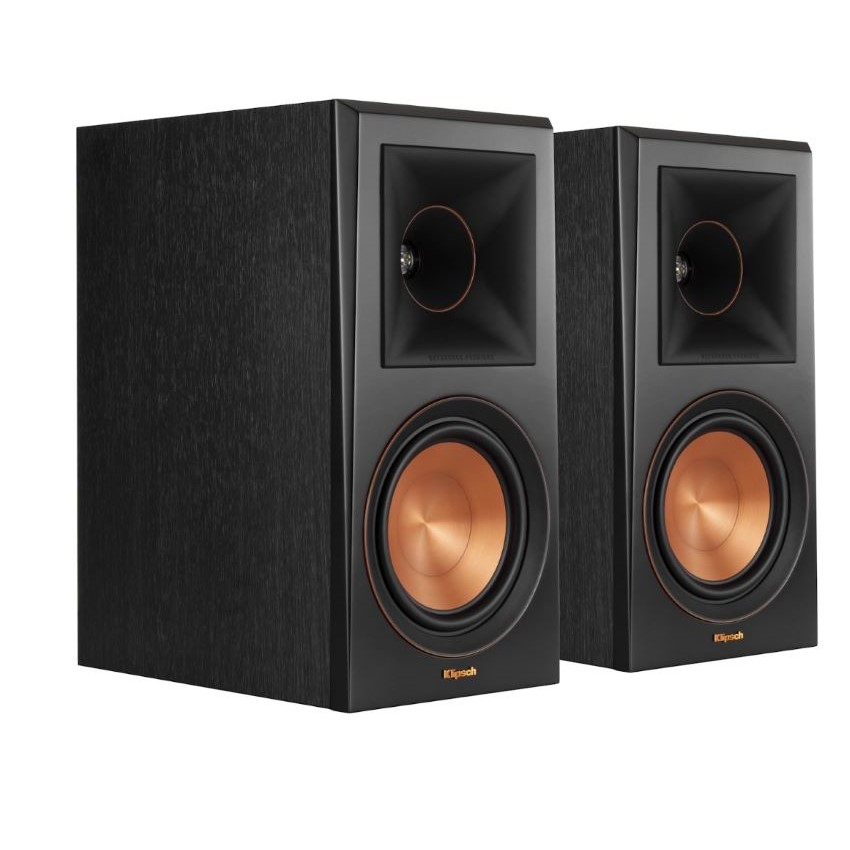
Danny Richie: In our forum and on my there’s a way they can go on our website and give feedback and there’s quite a few of them that have lots of feedback some some of those speakers are very prevalent i think the klipsch rp six hundred m’s i think we’ve sold maybe three hundred and three hundred three hundred and fifty of those upgrades wow for that one speaker incredible and then the klipsch models as a whole we’ve sold a lot of upgrades to those things because to be honest they’re just riddled with issues you know and riddled so yeah they’re just riddled with issues you know that phase issues cabinets are resonating it’s cheesy they’re very inexpensively made and most of the time the tweeter is you know three or four decibels louder than than the woofers and so we’re just we’re just we’re just fixing parts that are broken basically you know yeah so yeah we’ve sold lots we’ve sold thousands astounding really hey.
Andrew Hutchison: danny we’re going to take a quick break you did mention when you were working on those expensive loudspeakers that you did install the crossovers for the client and then you played them for a couple of days to burn them in i want to talk about
01:20:00
Andrew Hutchison: burn in when we come back in a second we’re back in the room with brad serhan and danny richie and myself andrew hutchison the the tricky subject of burn in yeah i believe you know i’m a believer and when i burn in i always think i’m more of a believer in the mechanical parts of a loudspeaker needing to be broken in more than burnt in but i do have a question danny i’d like you to to talk about burn in a little bit what’s actually happening in a loudspeaker that makes it sound better one hundred two hundred three hundred hours down the track and that’s something that as someone who’s like myself who’s ah sold umpteen thousand pairs of loudspeakers over the years in a retail and.
Brad Serhan: Designed a few andrew well yeah that.
Andrew Hutchison: Too of course but and of course you you certainly don’t start fine tuning a design of your own until you’ve made sure all of the components are thoroughly i like to say sort of bedded in i’m more interested in the mechanical aspects than perhaps the electrical but so i’m a believer because i’ve heard it so much i mean there’s no i don’t think anyone’s really questioning it but my question danny is why is it that when things burn in the loudspeaker or maybe the amplifier if that’s what we’re talking about as well why does it always sound better after it’s burnt in.
Danny Richie: Good question well you said something a moment ago that rather than from an electrical standpoint maybe from a more of a mechanical standpoint.
Andrew Hutchison: Can i cut you off for one second danny i should state the obvious that if you design a loudspeaker with burnt in parts or bedded in parts clearly it doesn’t sound right until the new pair of speakers has got to that level of burn burn in slash you know where oh yeah we’ve had.
Danny Richie: We’Ve had speakers.
Andrew Hutchison: Everyone designs speakers with bedded in parts obviously but it’s more like some of your electrical burn in your i think you talk about why does that why does that always make things sound better do you think you.
Danny Richie: Know it’s just a lot of it has to do with the dielectric material and how that dielectric material reacts after a signal has been passed through it you know hundreds and thousands of times sure some dielectric material takes a long time to settle and and have a consistent sound and some some is rather quickly you know a good polypropylene cap may burn in by comparison pretty quickly uh-huh sonic caps we always tell everybody you know put a couple hundred hours on them you know a couple hundred okay yeah that’ll and they’ll smooth out they will they always smooth out and when i listen to a speaker fresh and i think all right all the things i’m listening for i’m hearing it sounds good but i can hear that stringentness in knowing that yeah that that’s a good word i know i know what it’s going to sound like after those caps have some time now when you start getting into teflon films and a lot of paper and oil caps and things man those things can sometimes take four or five hundred hours to finally settle in and sometimes it’s horrible at first i remember putting in some some jupiter caps that were a ah copper full and i thought man i don’t know if this was a good idea like yeah this does not sound good like this this has a stringent sound about it it man this better change a lot and then letting it play for three or four days and really not listen to it just letting it go and then coming back and thinking all right that sounds really different like it things are starting to open up but it’s still relaxed yeah it’s not relaxed yet it’s it’s still it’s gonna take some time and then you know i let it go for a couple of weeks and then come back and listen to it and think holy crap this isn’t even the same anymore like this is musical like it’s beautiful sounding whereas my first thought was this does not sound good like this was a mistake you know and so some of those parts depending on the type of film and stuff use can take a long time and you know and some of them not so much you know some of the just.
Brad Serhan: Andrew you know with some of the oricaps i’ve tried that it they they recommend the manufacturer recommend at least ten to twenty hours of running but definitely seems to longer longer and then it suddenly calms down i call it treble clumping so one note base and.
Danny Richie: Treble clump is this so is there.
Andrew Hutchison: Once again as per my previous an hour ago or something i i wondered whether we could measure something in that component that we could then compare pre run into or burn in is.
Brad Serhan: There some that’s what i observed andrew that’s what i observed oh no no.
Andrew Hutchison: It’S i’m not denying that it exists.
Brad Serhan: So here’s my take on it but.
Andrew Hutchison: I wonder with how you measure it because then you could make a super super sweet sounding capacitor then once you worked out what the parameter was you could then shoot for that if you.
Brad Serhan: Know what i mean remember when we spoke to matthew bond from tara labs about talking
01:25:00
Brad Serhan: about cables and he was talking about whether burning on the actual copper or is it something else and he said it was the diet from his point of view it was the dielectric yeah which sort of lines up with this similar thing it does yeah.
Andrew Hutchison: I’M not not for a second am i suggesting it doesn’t exist and and whether it does exist or doesn’t exist doesn’t matter because if you’re having fun and you’re enjoying it who cares but yeah but i do wonder whether you can add that extra layer of science to the running in thing and measure.
Danny Richie: Measure some aspect it’s tough to go in and measure that aspect of the dielectric material i mean if you look and you look at the dielectric constant of those different materials it has a different dielectric constant they have a rating yeah you know polypropylene is a pretty good rated substance and pvc is not that great by comparison it’s dielectric constants over twice of that and then teflon and polyethylene have a much lower much lower rating so you know much lower dielectric constant so it there’s definitely differences there that are measured easily and you can google it and see what the dielectric constants of those materials are but it definitely has an effect on the way it sounds it’s really sometimes it’s surprising just how much difference there is so yeah nothing really surprises me anymore when it comes to that stuff now mechanical burn in that’s that’s pretty easy to actually document i’ve done that twice now where i’ve taken a group of drivers yeah and played them for so many hours and then measured the feel small parameters and then played them more hours again and measured again and documented it and it’s it’s on our website somewhere under our little technical or something you can see.
Andrew Hutchison: Oh i read through it and i i can go with it it makes yeah it absolutely yeah i mean it’s.
Danny Richie: Kind of like a car with stiff springs and stiff shocks and then after after you you’ve loosened it up a while and it’s a it’s a better damper than it and doesn’t allow the diaphragm to bounce so much and i’ve i’ve seen it in spectral decays where i’ve had a speaker i measured and i measured spectral decay and and did all the measurements on it and then that speaker played for quite a while and i set it up again to see if it had drifted any and i measure the frequency response i’m like no that’s pretty much the same as it was and then i look at the spectral decay and like damn you know right at the bottom range there where i’m measuring spectral decay it’s cleaner than it was yeah it doesn’t ring as long you know it’s definitely definitely a measurable effect there but you.
Brad Serhan: Know well generally resonant frequency drops you know five to ten percent of base mids or bass drivers yeah that means a change there i’ve got a couple.
Andrew Hutchison: Of kind of well they’re not really wrapping up questions danny but the you know we’ll we’ll we’ve you’ve been very generous with your time and we we should allow you to get on with your day what’s what’s what’s left of it now that we’ve ruined the afternoon a couple of quick things do you have a preference for cabinet material and diaphragm material of cone drivers is sure is a question do you do you i mean plywood the the endless plywood versus mdf debate do you have a do you have a.
Danny Richie: Stake in that you know the i see cabinets made all kinds of different things but it’s it’s tough to beat mdf because it’s it’s inexpensive it’s easy to machine and it has it has good damping to it internally and it’s easy to it’s easy to layer that stuff up or brace it really well and get really good results you can get similar results with birch ply you know avoid free birch ply yep it’s it’s slightly different but not any i don’t think really any better or worse it depends on the application if it’s a brace i think i think the baltic birch is better as a brace i tend to like mdf better as a as a material and i’ve seen you know speakers come through here they’re they’ve got steel or aluminum panels or something crazy you know the cost to produce some of that stuff is really high and then steve came through i don’t know if you saw the video that was he just released we call him concrete steve he’s done a couple of speakers out of concrete and and man that had no flexing at all and the resonant frequency was much higher and i did accelerometer test on a regular encore and an accelerometer test on the cabinet wall the of the concrete speaker and it was certainly different you know the concrete was certainly shifted to high frequency and then you push this up into a high enough frequency and then you stick a damper on it like no no res then it’s gone you know it just eats it up right you.
Brad Serhan: Know versus how did that how did that manifest manifest as well today andrew.
Andrew Hutchison: i was
01:30:00
Andrew Hutchison: hearing that brad yes.
Brad Serhan: It’S a great word though it is well what was the from did you obviously listen to the concrete steve one versus the standard mdf what was your.
Danny Richie: Reaction well i mean just the concrete in general it just doesn’t have any any residual ringing so noise for lowered yeah discoloration just coloration within the lower range and sometimes you just have an mdf box and if it’s not well braced there is some flexing there yeah and and when you’re flexing the box there is some resonance there so you know it can add a lot of coloration but if it doesn’t it’s not difficult and it’s not hard to try and just add some dissimilar material to that side panel and you can damp out those resonances because one panel may have a resonance at one frequency frequency yeah so you do constrain layer there and you can you can break that up to where the resonance of one panel doesn’t really pass through the next one because it’s at a different frequency and yeah and no res that’s such a heavy damper it pretty well eats up any of the upper frequency resonances but if it’s still flexing it’s still flexing you know if you’ve got an unbraced box it’s still going to flex yeah so there’s still that but you know it’s not that hard to control it you know you can you can add that stuff to any box go in and add bracing and stiffen it up and then add noise and you can take away a lot of coloration and for me i’m used to hearing speakers that don’t have that added coloration so the moment i hear something that’s got no bracing and nothing to control it i hear that noise.
Brad Serhan: Immediately you hear that spread away yeah.
Danny Richie: Yes like that that woo on the end of that bass note is not supposed to be there that is the cabinet making that noise you know yeah so it’s talking yeah oh yeah yeah.
Brad Serhan: And how thick is that no res.
Danny Richie: the damper is a seventy mil damper so it’s a little over eighth of an inch thick if you’re looking at in you know for you guys i guess it’d be a
Brad Serhan: Ten millimeter thick ten milliliters sorry say.
Danny Richie: Again yeah seventy mil is the way they measure the thickness of it so what is that a little over a little less than two millimeters thick or something like that and then there’s a foam layer there’s a foam layer on top of that that’s an inch thick that helps absorb standing waves and things within the box but that stuff’s got a pretty gooey pressure sensitive adhesive on it so when you peel the backing off of that and you stick it to the sidewall once you stuck it there it’s it’s pretty well stuck so yeah m it’s it’s pretty effective it’s kind of a kind of an easy fix all for you know any kind of cabinet noise when you’ve got noise like that that’s well i shouldn’t say just noise it’s it’s coloration it’s added coloration that’s not in the input signal so yeah sometimes most of the upgrades that we do will recommend a sheet of it or a couple sheets depending on how big the speaker is and it’ll just take away that coloration so it’s a little it’s.
Andrew Hutchison: A little bit like automotive body dampening material kind of stuff is it it’s like a mastic y sort of layer and then other m other well it’s obviously mixed media so that helps as well is that what you’re saying yeah.
Danny Richie: It’S a compressed layer of a bunch of stuff that’s that’s got some some rubber there and there’s some vinyl and it makes it a dense dense material that just really doesn’t transmit a signal through think of it more as like you added a a bag of sand to something you know instead of but less messy yeah yeah instead of a hard substance it’s more of a softer layer slightly sloppy.
Andrew Hutchison: What got a preference for plastic cones paper cones.
Danny Richie: Carbon fiber i’m a paper cone guy giddy i love the sound that you get out of paper it’s it’s got some natural damping to it so in the higher frequencies you don’t have a lot of that breakup ringing but to me right in the vocal region and things i’ve i’ve heard lots of different cones and i’ve i’ve worked with almost every every manufacturer’s top level drivers one form or another but to me the vocal region especially always has a better sound to me with paper it just more natural and more open and you know it is what it.
Andrew Hutchison: Is it’s one of those many things i’ve got this this other thing which is that nothing’s really gotten better since the seventies well things things have but lots of things have actually like the internet was terrible in the seventies so slow horrible but the the you know in the seventies we we had simple crossovers wide boxes probably plywood i have a preference for plywood but nothing wrong with mdf i use lots of mdf as well it’s much much nicer material to work with for machining that’s for sure but the but yeah there’s a lot of things in the seventies that they got right right and paper cones yeah i kind of agree danny it’s they’ve got a lovely way about them that allows
01:35:00
Andrew Hutchison: you to probably use a simpler filter set of yeah crossover to get a to get a nice even linear response my.
Danny Richie: Business partner and i when we first started we we had that thought of you know there’s there’s kevlar cones we can have these cones made of kevlar and we can have them made out of aluminum or carbon fiber was just coming out and we’re we had the company there that was making our our woofers that we were sampling we had them make some for us they were basically the same parameters but just different cone material i mean we had a kevlar and a polypropylene and the one that looked like it was carbon fiber and we listened to them all and thought well damn man the paper cone has the best sound and what’s funny on top of all that it’s the least expensive to have to buy why would we spend extra for carbon fiber or and what’s funny too is we kind of thought polypropylene had a better sound than the kevlar and an aluminum for sure you know they just didn’t have as natural of a sound well they have i mean.
Andrew Hutchison: Technically speaking i guess they have they’re a stiffer material for bass frequencies they’re probably better i guess but i mean if you’re building a two way then you probably got to make that compromise hey how do you see the future going danny what’s i mean we’ve talked about ai we’ve talked about co materials just now and you’re pretty happy with the past but what what is the future is it what’s the future for gr-research i mean you’re clearly going to keep making these entertaining videos that people love to watch but is there is there an angle you’ve got you know that where you’re headed well.
Danny Richie: We’Re venturing now into completed speakers these that i’ve done in conjunction with ron at new record day we’ve we’ve kind of reached another milestone of performance with this little ally and maddie model and so that’s common and the new finished speakers that we’re doing that are the encore extremes which are designed for imaging and soundstage layering and things so we’re venturing into you know production models whereas before we just we stayed in the diy market because i did design work for a lot of other companies and i didn’t want to compete with those companies because i’m not gun for hire i’m the competition so you know at this point i’m kind of going in that other direction and back to finished product but i think the question is broader if you look at it is where’s the where’s the industry going and i think there’s some concern there in that there’s a turnover of people in the industry you know when i go to a show or when i would go to a show and like i said before a lot of us all know each other at the show all the manufacturers and we’ve become friends with each other and i remember being at rocky mountain audio fest and there was five hundred fifty companies represented at that show and i could only count on one hand the number of companies that either had engineers or owners that were my age or younger so yeah that really hasn’t changed that much no i’m fifty nine years old now and so you have to wonder what’s going to happen to a lot of those companies and you know a lot of the people that we thought of as big founders of the industry have have either passed or they’re about to and and you have to wonder are we reaching the next generation and i think that’s challenges are we reaching the younger audience and creating new audio files because when we were kids we could go to the audio store and we could spend an hour or two in there and they would let us hear everything you know and and we would listen and we would geek out on that stuff and then we would save our money and buy whatever we were geeked out on yeah kids today can’t really do that you know so well.
Andrew Hutchison: Why do you say that danny not in the us well in in what sense can’t they do it you mean there’s no audio stores or are they.
Danny Richie: Yeah the audio stores yeah the audio stores aren’t there anymore used to there’s there’s audio stores in every big city.
Andrew Hutchison: Well there’s certainly a lot less audio stores yes every worldwide yeah a lot.
Danny Richie: Less yeah now i don’t know about i don’t know about how things are in australia or some of the other.
Andrew Hutchison: Countries there was there was an audio store in every every regional town and now i can tell you there is.
Brad Serhan: Not yeah there is no there’s an ah there’s a shop called classic hi fi secondhand store where they restore the gear and i was in there one particular day and a fellow couple of blokes came in there twenty four twenty five and they discovered you know they were really pissed off with the sound quality of various gigs they were going to and that sort of thing and they heard a decent system at their friend’s place and they came in to buy a pair of you know even though albeit secondhand restored pair of loudspeakers and a big old pre power combination and a
01:40:00
Brad Serhan: turntable and whatever so the younger people discovering stuff through the sort of second hand market and starting to get interested in that what they call cool gear yeah so so there are the younger folk out there who are starting to sort of get interested but it’s just you know what medium do how do we attract them that’s that’s the big thing youtube possibly is one way so what.
Andrew Hutchison: What what do you think danny just to round out the the young how to how to gain a new audience for excellent you know audio equipment do you have a thought other than you know you’re clearly going to continue doing what you’re doing and a lot of your a lot of your videos do appeal to a an audience that is not rolling in money right because you what you’re doing is enabling them to improve a five hundred pair of speakers and make them sound like a thousand dollar pair of speakers i mean that’s for less than five hundred extra if you know what i mean so so is that that’s part of your equation but do you have any other thoughts on how you suck in a new audience well first of.
Danny Richie: All i love hearing those stories you know the young people that are that are discovering this and that’s i just love it that’s great i think we gained a lot of these young audiophiles from the headphone market because that was their first step yeah they moved into higher end headphones and realized wow there’s a lot to be had here and then they started looking into speakers and stuff and i gained a lot of them by like a klipsch upgrade again you know just something that’s inexpensive and they well and they wind up executing that thing dang man that really made a difference and then they come back and they order an xls encore kit or something and they’ll build out one of our kits so suddenly i’ve got these young younger people that are building a kit and they’re and they’re becoming audio files it’s like i’m giving them those first steps and then they’re moving up the ladder and i think there has to be some of those first steps out there if they go to a show and everything they see at a show is mid five figures and up they lose interest pretty quickly you know you have to be able to provide something of reasonable performance at those lower price points sure or you lose those guys you know and yeah absolutely i think that the kits the diy stuff is a good way to reach them a lot of them have started getting into vinyl and man you can spend a fortune as you know in vinyl on a playback system but just getting them into a good turntable and a cartridge and stuff and then that suddenly now they’re looking at speakers so i think that and just the youtube reviewers you know the youtube reviewers and the everybody giving feedback on youtube i think that’s that’s a great way to reach the.
Brad Serhan: Younger audience so what what you’re doing danny i’ll state the obvious having having not just upgrades for other brands but having your own lineup of kits it’s going again back to the sort of my my memory of the seventies and and the eighties where people had you know buying kev kits and various other kits building their own.
Danny Richie: Speakers yeah yeah that was great and.
Brad Serhan: Those that but in a sense that that that meant a lot of us at university or whatever were buying those kids speakers and knocking them together and that was our entry into the into that market well you’re in a sense sort of in a nostalgic way sort of restoring that ability of having a great loudspeaker for not a lot of money and bugger it you can build it yourself if you want to that’s powerful in itself and that’s where youtube propagates beautifully in that sense anyway.
Danny Richie: Yeah i think that too back then we were more inclined to do stuff like that i mean if i think back to when i was a kid my senior year of high school i bought an old camaro and before that senior year was over i had built a new engine for that camaro my buddies and i we were we were building hot rods and we were working on stuff and we were we were modifying stuff and today kids just don’t do that you know they don’t buy a muscle car and and make it their own they’re not they’re they might get into some newer model you know sports car but yeah and then maybe it’s not the same yeah it’s not the same as when.
Andrew Hutchison: We were so interesting interesting point danny now we don’t care just move on.
Brad Serhan: Brad what engine three hundred fifty or.
Danny Richie: Sorry sorry no i built a four hundred twenty seven for the car of course you did of course you did oh yeah yeah a big block four hundred and twenty seven and i dropped the rear end gear to a four hundred and eleven and then holy mackerel and then i had a four speed and then that came out the turbo four hundred with a four thousand revolutions per minute stock inverter and you know before you knew it it was getting a little out of hand and that that engine needed to be pulled out and placed into a lightweight tube chassis car and you know one one thing kind of leads to another just like.
Andrew Hutchison: Audio we are not saying we’re
01:45:00
Andrew Hutchison: not going to have a car conversation so.
Brad Serhan: Andrew has a big andrew’s design his own three wheeler car so it’s a very dangerous area yeah we’re not going.
Andrew Hutchison: In we’re not going into hey what i want to know danny so you’re telling me and this is what i do want to hear because you just touched on it is that yeah a lot of younger people are not necessarily getting hands on with hardware but your kits you have to do you supply them a sort of a wrap up sort of box or they got to cut their own box parts out and glue them together and and are they soldering the crossovers up like are you selling them a soldering iron and.
Danny Richie: Some solder or whatever we’ve kind of got layers or steps that they can get into depending on where they’re comfortable they can print off the plans and build their own cats they can go and get that mdf at lowe’s or home depot and they can cut it all out and make it and or they can order a flat pack yeah okay yep a cnc cut mdf box and they just glue it together but always they have to install the crossover they have to put it together point to point wire it okay connect everything and they get all the instructions for that in the schematic and and we’re here if they need us like i try to be really attentive to email questions and phone calls and they say all right i’ve got this in front of me i don’t understand this like the polarity’s flipped on this tweeter you know that’s what they’re asking yeah yeah why is this why is this correct is this can is this supposed to yeah that’s correct for that for that speaker in that network it has to have a polarity flip and it’s to keep it acoustically in phase and then oh okay and then they go and put it together oh that didn’t work out really well you know.
Andrew Hutchison: I mean that’s that’s great that’s.
Danny Richie: Yeah that’s good tap to support the support the product support the customer and and make sure that they can complete the project and sometimes we’ve had a few guys that like man this guy’s just really struggling with it and i’ll say you know what just send that to me just send the crossover in let me fix it because you’ve got let me rewire that for you to where it’s clean and it’s and then let me send it back to you you know and sometimes i’ll just fix it and send it back that.
Brad Serhan: Is and you kind of have but.
Danny Richie: It’S real rare it’s real rare usually they complete it with just and sometimes they’ll take photos and say is this correct and i’ll look at it and say oh no this is not wired correct or or yeah yeah you got it you know just connect your wiring and just solder it now you’re now you’re done and it’s easier than people think my wife would sometimes help fill in orders and she’d look at a schematic and and she would pull the parts that are on that schematic and she would lay the part on the schematic to make sure she had it like it says ten microfarad cap so she’d lay it on the spot on the schematic where it’s there you know and and make sure they’re all there and i looked over and i said you know if you’ll just twist those parts together you’ve assembled the crossover all you gotta do is twist them together as you’ve laid them out there and then and then they can solder it so it’s sometimes it’s really just that easy you lay it out on the schematic just like it is and then just twist the parts together it’s pretty wired to and from and you got it it’s not that hard my wife almost had it done so.
Brad Serhan: Danny quick quick question what’s the average age of i wonder you know what’s the demographic you know younger folk buying your kids the cheaper kids
Danny Richie: Yeah i think i’m reaching a lot of the kids in the upgrades some of them are a lot younger than i am well yeah well yeah.
Andrew Hutchison: That’S the benchmark most of the population is thanks yeah.
Danny Richie: the really high end stuff though that we’re both.
Andrew Hutchison: Older than you danny unfortunately yeah the.
Danny Richie: Really high end stuff though is really limited to the to the older older market you know people who are have money you know like they build a an inextreme kit of mine and add servo subs that are open baffle they’ll spend between nine and ten thousand on all those parts and then they still have to put it down together themselves right that’s not your your entry level guy you know so you know so it just depends on the price point of some and in some of these guys once you get into a really high price point they they’re not kit builders they don’t care about putting something together themselves they just want to buy it and be done with it yeah it’s the guys that down in points yeah those guys want to build it themselves like those customers will never buy a commercial commercial speaker because part of the fun is building themselves and having the pride of putting it together and yeah so it’s a it’s a different segment of the market and and and i think that’s still where we bring in the new people i really do think that’s where we bring.
Andrew Hutchison: Them in that’s a good thing absolutely it’s definitely bringing fresh blood to the to the audio business hey danny it sounds like you’re busy as hell not today it’s sunday well no no but no i mean how big is the business these days you.
Danny Richie: Must employ yeah yeah we’re busy we’re busy and you know a lot of that really i
01:50:00
Danny Richie: have to attribute to the youtube channel even if somebody isn’t ordering whatever i just worked on it’s it’s keeping gr kind of fresh popping up and yep and it’s you can’t buy advertising that’s as good as what we get out of the youtube channel wow you know it’s been a whole new way of reaching a worldwide audience i know we had a pretty good year in what we call the COVID year because everybody was at home not working and they had money and they decided you know what i’m gonna work on my audio system and so i remember at time we were using paypal as our merchant provider and so all the credit cards and all the paypal payments went through through paypal and one of the things we could do on paypal is track orders and see what countries they came from yeah and i know that that particular year we shipped product to eighty different countries oh right eighty different countries so wow wow that was really pretty cool and i can pull that information up and see that and most years we don’t ship to that many different countries and we’ll ship more to specific countries like to australia i ship quite a bit to australia canada and different places in the uk but for some reason that year like we ship stuff everywhere it seemed like and so well.
Andrew Hutchison: it was strange times so yeah.
Danny Richie: Yeah it was strange time so you know you never know you never know and so we wouldn’t have done that twenty years ago twenty years ago we wouldn’t have shipped product all over the world couldn’t have been done yeah they wouldn’t have known of gr-research you know so it things have definitely changed there’s no store in every town anymore but but there’s there’s youtube on every ipad or computer yeah they’ve got a computer in every every place in.
Andrew Hutchison: The world on that note danny thank you so much for your time we’ve covered many subjects and we’ve you’ve covered them in great detail you’ve answered my hard questions i’ve and i’m very appreciative of that because it gives me a greater understanding but also the audience that there’s a lot of serious engineering behind your thoughts and the way you the way you re engineer people’s crossovers and what your process is and why you do it that way and how it achieves a result so thank you so much for your time i know i say this to a few guests danny but we’ll have you back at some point but i think we should in a year’s time yes please fresh load of questions and we’ll pin you down thanks again.
Danny Richie: Okay all right thanks guys thank you.
Brad Serhan: See you thanks denny thanks andrew.
01:52:25