

Not An Audiophile – The Podcast featuring Exclusive one-on-one interviews with three very different HiFi brands who all say the same thing. The “toys” should disappear and it’s the music that matters.
Podcast transcripts below – Episode 046
TRANSCRIPT
S3 EP046 – Estelon, dCS, Oephi
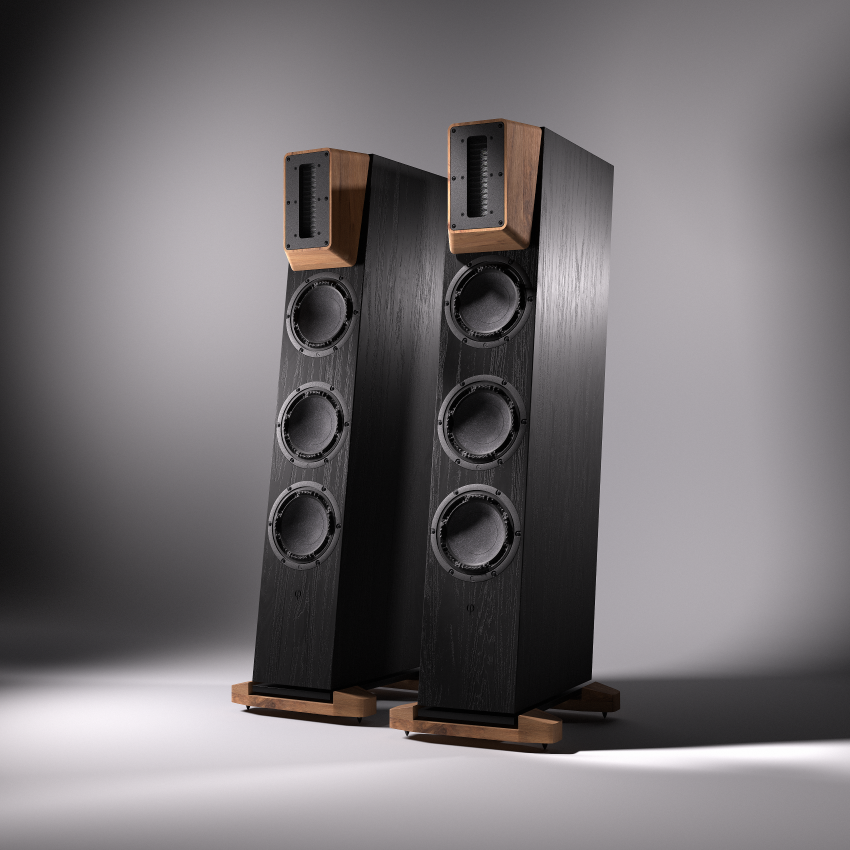
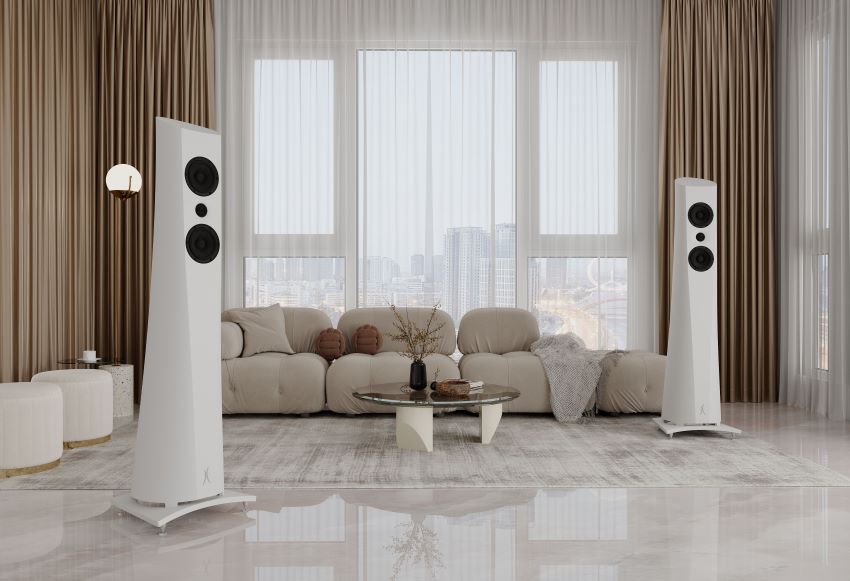
Ilias – Estelon: so it can couple with the floor for more energy in the lower end then we put the rest of the drivers up higher at the near level height approximately there’s a reason why i would do all these things but when you connect the dots it gives you the shape of the speaker yeah okay yeah so that’s primarily why.
Andrew Hutchison: They look like that okay so to some degree you could almost m appear to be suggesting it’s almost a sub satellite type system but melded together with the enclosure joining the two parts to.
Ilias – Estelon: Some degree that’s very correct the woofer in most of our products acts a little bit like a subwoofer we have low crossover point usually at around seventy five eighty hertz that low okay.
Andrew Hutchison: Yeah correct yes which is a passive crossover yes okay so that’s some serious components to make that work yeah sorry continue yeah no yeah.
Ilias – Estelon: That’S pretty much it but that is.
Andrew Hutchison: Your classic sub sat system right it is literally a subwoofer like you say crossed over subwoofer frequency effectively yeah and.
Ilias – Estelon: That’S why the rest of the drivers because the mid range drivers they carry a lot of information a lot of frequencies that’s why we keep that distance from the low driver the woofer a little bit higher so we can avoid the early reflections with the floor okay if that makes sense if you can picture it it’s easier when i have the speaker next to me to showcase at the same time you know probably a little hard to communicate the details of the.
Andrew Hutchison: Well they are taller than many speakers they’re quite tall they are quite tall i mean your bigger ones are incredibly.
Ilias – Estelon: Tall tool right yes flagship are the forza model is one hundred and seventy something wow yeah so that’s yeah and the extreme model can go up to two hundred twenty if i remember correctly because it’s adjustable actually
Alfred’s extreme speaker has motorized upper and lower modules
Andrew Hutchison: Yeah so that’s one of my questions we’re probably getting to it earlier than i imagined but yeah i did see one there has a motorized section right that so just tell us a little bit about that what’s going on there.
Ilias – Estelon: This is our extreme model as a matter of fact our distributor here advance audio has one pair of extremes on display where i saw them actually alright okay good so you had already an opportunity to see and hopefully listen to them as well yeah absolutely awesome impressive so the reason why why there is a motorized upper module this model is because when alfred was designing this speaker he thought what are the objectives here we need a bigger system but why this should be easier to integrate in bigger rooms okay right but bigger rooms don’t always mean like more square meter surface it’s also the ceiling yes the ceiling yes correct and he started placing the speaker into small bases and testing okay what happened when we lift the speaker okay
00:10:00
Ilias – Estelon: and he came to the realization that it affects the sound a lot so he came down with the idea that since the design philosophy is that the lower end it acts as it acts you know like a subwoofer as we keep it.
Andrew Hutchison: Next to the floor for your boundary.
Ilias – Estelon: Enhancement but what if we can have the drivers the upper drivers movable and according to the ceiling height we can adjust from our sitting position with a remote control and there you are.
Andrew Hutchison: I guess i guess you find you.
Andrew Hutchison: Sit in your listening chair in the sweet spot and you literally adjust the height and you go oh well that sounds good so they will lock that in is there like a memory.
Ilias – Estelon: Position or something it actually moves up and down in a total fifty centimeter length yes in nine steps all nine steps okay now the remote control actually has an indication from minus four to plus four yeah okay right so you can remember that for example i had it on minus two yeah yeah it like in reality and if you want to behave once you have them set up in your room you do that once where is the optimal position and you just leave it but we can understand that people might want to show off and you should.
Andrew Hutchison: Tell there’s definitely a showing off why.
Ilias – Estelon: Not of course you know but yeah it’s not that hard to keep i.
Andrew Hutchison: Think we can remember minus two you.
Ilias – Estelon: Can remember one number i think we’re good for the record the tweeter is also movable yes inside out like it has a four millimeter depth adjustment this helps with the focus when the upper module goes up which goes which moves up or down in a curve so the time alignment stays the same yes so when the tweeter moves a little bit inside or outside yeah it helps with the focus okay does that.
Andrew Hutchison: Make sense yeah absolutely yeah it’s still a time alignment thing i guess exactly yeah that’s very cool i had a sneaking when i first saw it i’m like what’s it’s it’s a gimmick it’s it’s but then then i thought well i’m sure they’ve done it properly and clearly you have and at that price point you probably should have and you did all of your loudspeakers or enclosures are quite similar to look at i’m guessing perhaps wrongly but are they all made from similar material.
Ilias – Estelon: All our speakers are made from a similar material except the newest a series which are our entry level products okay like the aura that we display here during the exhibition the a series our entry level products use a thermoformed mineral composite it’s a quite interesting process how these are produced because the material is in sheets that we put cut holes for where the drivers are going to be placed and then we heat it and we give it this shape wow okay for us it’s always very challenging to find materials that we can use for shaping our cabinets and we need to mention that the curves are part of the acoustic sound signature of course you know the curves eliminate diffraction help with sound dispersion so they’re essential in our design language so this is the a series material which is basically a little more affordable m i am air quoting again the term affordable comparing to the marble based composite that we use to the rest of the speakers okay this marble based composite is fully developed by alfred as well alfred vassilkov and it’s for with this material we use a molding.
Andrew Hutchison: Process i was wondering that yeah okay so you’ve got molds for each model exactly and it’s what in two pieces or how many parts is there to.
Ilias – Estelon: The mold the cabinet comes in one piece except the top it needs a lid let’s say at the bottom we put the crossover yes that’s where it is but the rest of the cabinet is one piece naturally yeah i.
Andrew Hutchison: Was admiring the the fit and finish of the ones you have on display and i was admiring from someone who has done a certain amount of spray painting the gorgeous finish is it spray painted is it or is it.
Ilias – Estelon: We use automotive technology painting technology for our products it’s the same exact process it is spraying but it is many layers many coats it’s good.
Andrew Hutchison: Enough for a million dollar car it’s good enough for a million dollar sorry yeah somewhat less expensive quarter million dollars.
Ilias – Estelon: Exactly but i mean not all the colors belong to the million
00:15:00
Ilias – Estelon: dollar cars not all the finishes the finnish codes you know they’re not all from million dollar cars but certainly customers that ask very very unique special cars tend to own million dollar cars i was.
Andrew Hutchison: Going to say so that’s part of your your offering as well is that you can you can you can someone wants a particular color want a lime green to match their lambo then they can have that yeah of course and as they should and you do and you do have a bit of that happen do you yeah as.
Ilias – Estelon: A matter of fact some cool colors we have even sent here to australia we recently had the dealer he requested mclaren orange and you know for us is exciting as well because we have never seen our speakers sometimes in this specific finish and we look forward to that you know and it’s not something you would say well let’s make an orange ferro speakers and see what happens.
Andrew Hutchison: You know it’s a bit expensive for.
Ilias – Estelon: That but but it always turns out much cooler than we expected and it’s fun you know this part of the fun being in that the
Andrew Hutchison: I overheard a conversation the other day that some of those colors are licensed or copyrighted and i had a feeling that mclaren was one of them don’t look scared you look concerned no no.
Ilias – Estelon: I’M trying to think if the you know there is you have to make.
Andrew Hutchison: It very slightly different or something no.
Ilias – Estelon: No that’s not what or is that.
Andrew Hutchison: Bs because it sounds outrageous how can you copyright a lot a color if.
Ilias – Estelon: You could i mean maybe you can somehow that i’m not aware of i’m not trademark i guess i don’t know and to my knowledge even what i said now mclaren orange this is not the actual color code no no no what usually happens again to my knowledge don’t quote me on everything but even car manufacturers they find these rail codes they use them and they just name them as we also do as we also do you know we use fancy names black lava liquid in reality it’s.
Andrew Hutchison: Black gloss okay that’s right color names are hilarious you can write an amusing document on i mean there’s just i was looking at color charts the other day for a project and the names are i mean someone sitting in a room i don’t know googling tapping away thinking up yeah using you know ai potentially to conjure up these outrageous color names but no so the the material is interesting so that’s is it so you’ve got this mold this is for the more expensive models and i guess the original models that you did were all this faux marble product marble based.
Ilias – Estelon: Composite it’s a composite that has crust marble among m other elements is it.
Andrew Hutchison: Similar to what you would make a a fake stone bench top out of it’s got resin in it it’s got a certain amount of marble in it and it comes in a liquid.
Ilias – Estelon: Form this is a good question yes this a good question but i don’t know this this is a material this composite is patented by alfred anyway by alfred so the exact same composition is not used anywhere else but something similar could be but i’m not aware i’m not gonna lie like i.
Andrew Hutchison: Have a sneaking suspicion you would have more resin in it but for acoustic properties for dampening it you know for self dampening reasons yeah i mean you wouldn’t build a speaker out of rock generally although no it’s not possible anyway no no no but so you is it got is it how does it have reinforcing materials in it or is it is it like what thickness is the is the wall thickness do you think of the and how the hell do you get it in the mold and do you yeah is it an injection molding situation it.
Ilias – Estelon: Is injection okay yeah and we basically pour it you know yeah yeah you know this is not the actual hard part because the molding is pretty straightforward process it’s molding then you take this cabinet but after that it needs quite a lot of treatment finishing off yes yeah but before even the finishing it requires some we have some chambers that they need to heat this cabinet so all the bubbles come you know and then you start the finishing process you know so it requires some treatment but it does indeed have a very good dampening properties yep it’s very very heavy that helps a lot with the stability you know and this in effect helps with the dynamics for the drivers to perform at their best.
Andrew Hutchison: M does it need internal bracing or.
Ilias – Estelon: It’S just open inside we separate the in some models we separate some drivers you need a sub enclosure yeah but not in all models for example the yb model the aura model also but the oura model doesn’t use this material anyway it depends we have to take it by its model individually in some models yes we do use also to eliminate resonances anyway that’s also another reason why we would.
Do you use customised drivers or do you make your own drivers
Andrew Hutchison: Use braces and is alfred so where’s the what’s the situation with the drive units is alfred
00:20:00
Andrew Hutchison: a bit of a drive unit designer as well or is he using the best work of other drive unit designers because i always wonder about manufacturers who rave on about making their own drivers at the same time you can’t be an expert at everything because you can’t can you definitely not as a smaller company so i guess you’re ordering customised drivers or do you make your own own drivers.
Ilias – Estelon: In house so we don’t make any drivers ourselves we don’t produce any drivers in general in most of our models we collaborate with accuton it’s a german manufacturing it’s a pretty serious product yes yes we collaborate and we have a very good partnership for many many years but this is not the only company we use from scanspeak from seas from many companies in our flagship models the forza and the extreme yes we use some custom drivers i mean they’re specced actually they’re not exactly custom made they’re spec’d yes for your purposes exactly plus for example for the x diamond model the woofer which is ceramic and it’s very very special this is it used to be produced but now it’s only produced for for us and that’s that okay they have discontinued from the shelf and now it’s only for this specific model so we have this relationship and we believe it’s best to use the best manufacturers you know i agree i think.
Andrew Hutchison: It i think it’s it’s crazy that i mean you’ve got to be certainly for someone like b&w Bowers wilkins big company lots of people people lots of money of course you make your own drivers why wouldn’t you it’s part of their whole equation but for a for the next tier down of manufacture it makes makes complete sense to me at least to to use a very very high quality drive units so what this is a stupid question.
Ilias – Estelon: In a way before can i also add something about drivers and this applies in any components this is alfred’s philosophy which i really appreciate as well he says we test tones and i mean so many drivers so many components for the crossover so as pretty much everything that’s out there yes arvid says if we reach the if we reach a point that we cannot use something to reach our vision then we might look at this possibility of producing it ourselves okay for the time being we’re not there we don’t need to yeah in the future we don’t know what.
Andrew Hutchison: So if you go super high end you were trying to make the definitive product you would have to start making some of your own i don’t know well certainly probably inductors or maybe capacitors and obviously driving it could be a possibility yep now we’re looking out at the beautiful sunshine this this five minute period it was raining ten minutes ago we’re in melbourne so the weather’s alternating on a fifteen minute basis but it’s not always the sun is not always shining and it’s not always warm not that it’s particularly warm in melbourne in estonia and in fact someone and i’m not sure whether it was you or someone else but someone told me that basically it’s horrible five months of the year so this factory of yours must have some serious heating and i’ve seen some factories in in north america that bit like that where it’s such a it looks incredibly expensive because you mean so it must be some kind of state of the art facility just to keep the temperature constant is that right no it’s not an old barn.
Ilias – Estelon: You know it’s probably let me start by saying i’m originally from greece i grew up in greece right so greece has a warm nice climate always sadly that’s moving to estonia it was a little bit of a shock to my system you know in the first few months or a year let’s say here’s the thing unless you live in those conditions you think that i just can’t live here you know it’s just that’s unlivable.
Andrew Hutchison: I mean i do think as someone who’s lived in queensland for you know many years and never really suffered much below twenty degrees it’s it would be a shock to my system but you know the heating is great right tell me it’s great it’s great it’s.
Ilias – Estelon: It’S absolutely great it’s the best let’s be honest it’s the best but funnily enough our system adapts and it adapts really fast but what was also interesting there is that people have adapted to oh yeah so you know for them hitting is on in september for example until next year in may yeah so everything is nice and warm indoors you can’t live otherwise same in the factories same in facilities same in the shops so you know you don’t really.
Andrew Hutchison: Have to worry about this it’s and but where does the energy come from what’s what’s what’s most of the energy generation do you use i
00:25:00
Andrew Hutchison: mean you can’t really use solar so much much i guess i mean do you.
Brad Serhan: Use a bit of salt they do.
Ilias – Estelon: Use a little bit of wind but i can’t tell you the percentage i know that they used to rely a lot on gas from russia but due to the current situation and this was in their view which of course i agree is it was a great opportunity to get away from this get away stop this partnership or whatever you want to call it and they have moved to buying renewable energy from the nordic countries from scandinavia wow plus coal still yeah a percentage nuclear at all no no no no no no no unfortunately in general in europe we’re not very much gone away.
Andrew Hutchison: From the nuclear they’ve gone away at.
Ilias – Estelon: Some point but now they realize that this should cook again i’m not an expert we’ve sort of gone off at.
Estelon recommends solid state speakers because they handle better lower end sounds
Andrew Hutchison: A tangent and it’s not a pet subject of mine but it only really raises its head when you start if someone who lives in a warm climate where you can have a very simple workshop facility you really don’t worry about temperature control in summer it’s really hot and you just put up with it and sweat a lot whereas you cannot do that in a cold climate you absolutely clearly have to heat you’re correct.
Ilias – Estelon: But on the other hand the thing is that estonia is a very small country right yeah the population is one point four million oh wow is it that small it’s that small so i mean in the bigger picture you know it doesn’t affect negatively not at all as much you know but as a country and in their culture they love nature and i know they’re doing their best to use sustainable energy and renewable energy and you know things like that but i wish i can i get.
Andrew Hutchison: I get your point one point four million people not going to change the world you know you could run a diesel generator and it wouldn’t really probably matter not on a world basis that’s the thing yeah so yeah we shouldn’t have gone down that rabbit hole but it just it occurs to me i mean it is a conversation that a lot of people are having and one that i guess we’re all thinking a little bit more about back to speakers so do you in the wide world of hi fi stereo systems is there an amplifier or is there a particular what is it that estelon kind of recommend works well with your loudspeakers or were they designed with something.
Ilias – Estelon: In mind or yes this is a question as you can imagine i get more than once a day and the answer is always the same the best amplifier is the one the customer likes this is the best amplifier okay we of course do give some recommendations for example we recommend solid state yeah because they handle better the lower end you know and work better with our speakers and that’s the.
Andrew Hutchison: Kind of sound that you’re trying to engineer is quite an accurate sort of sound that you might say to drive.
Ilias – Estelon: That you might say that yeah but again this is a little bit it comes down to preferences and you know at that level the higher you go in in our industry especially in the ultra high end if you might say every small nuance affects the sound even the cable you know even the length of the cable and it truly comes down to preferences so i mean i can sit here and write a list about electronics and catch cables and ducks and turntables and whatnot does it really matter what i like or this.
Andrew Hutchison: Is right yeah yeah i i couldn’t agree more and i i sort of and it’s always it’s always part of a visit to a hi fi show like this is that you walk along a hallway and you go into room one room two room three room four and they all sound quite good and they are all completely different so there’s and to then to have a crack at someone’s i mean it’s like we’re watching cars drive past they’re all different well they all seem to be quite monochromatic in color but they are all different shapes for different troops yeah that van i mean do we neither of us want to drive that but we may need to carry heavy goods so yeah there’s always a yeah there’s a there’s whatever you want you have a you have a you have a certain perhaps type of music you have a big space small space you prefer the warmth of tubes not that tubes always sound like that etc so
Ilias – Estelon: This is also i’m sorry to interrupt but this is also why we welcome the competition even in the speakers level i mean you might start having i’ll give you a random example you know like like what we’re showing here Estelon with the devialet but you might end up realizing you know what you like the devialet but the esl is not exactly what you want you know but it’s fair enough you know it’s a fair game we want people to be happy and make get the emotions out of their system you know this is the goal music absolutely it’s not just to tell you or a customer that yeah our products are the best they are but you know.
Andrew Hutchison: Well.
Andrew Hutchison: Is that to get back to company philosophy is that the goal to make of alfred is to just simply make the best loudspeaker in the world or.
Ilias – Estelon: No the goal is indeed as i mentioned to evoke emotions and you know whenever i do a presentation we discuss and talk about the system on display and this and that cable and these frequencies cut off on the filter and the driver size and whatnot and the membrane material but i like to finish the presentation by saying that in the end what matters is that all these toys should completely disappear it shouldn’t be about the toys it should be about the music and we truly believe that and we believe that the good system evokes emotion and we want to believe that our speakers are emotionally engaging products so that’s what.
Andrew Hutchison: We’Re well i’ve been emotionally engaged but i’ve heard them on occasion so i think you may have kicked that goal so yeah thank you hey thanks Ilias thanks thanks for your time thanks for.
Ilias – Estelon: The insight thank you so much it was a really nice discussion i appreciate.
Andrew Hutchison: It it’s a very interesting insight and it’s i mean look i mean i honestly thought estonia was probably more like eight or ten million people because geographically it’s not tiny it is tiny oh well i’ve been looking at the right.
Ilias – Estelon: Map i think you need to come to get a better understanding of country and the culture well feel free you.
Andrew Hutchison: Can buy me a ticket and i’ll.
Ilias – Estelon: Be there in a minute we’ll do we’ll do we’ll do to bring you to our facilities and we’re gonna have more discussions you get an opportunity to see firsthand and talk with more people in our factory they all have interesting.
Andrew Hutchison: Stories i bet they do because it’s a bloody interesting place to live and just one approximately how many people work there not a huge amount of not.
Ilias – Estelon: A huge amount all together you might say at around thirty if you include you know the painters yeah yeah i mean which they are part of the team of course but yeah approximately something.
Andrew Hutchison: Like that so it’s a pretty pretty.
Andrew Hutchison: Yeah i suppose as soon as you.
Andrew Hutchison: Start making cabinets you need more people.
Ilias – Estelon: Mind you we are at the level now at the stage that we’re growing so yeah we’re doing well so thirty.
Andrew Hutchison: At the moment but forty in a few years time we hope so yeah yeah all right on that very positive note thank you again Ilias and thank you for your time and we’ll speak to you again clearly i’ll speak to you when i’m at the factory.
Ilias – Estelon: Absolutely well now i committed to buying you a ticket if you never hear.
Andrew Hutchison: From me again please don’t be surprised.
Andrew Hutchison: Yes all right okay thank you but.
Ilias – Estelon: Thank you so much i really appreciate.
Joakim Juhl talks to Not An Audiophile about Oephi
Andrew Hutchison: It my pleasure talk to you again.
Andrew Hutchison: Are you familiar with edgar kramer well you should be he’s australia’s most renowned hi fi reviewer at his website soundstageaustralia dot com is well quite amazing incredibly detailed well written reviews on all sorts of interesting hi fi components interviews with industry luminaries factory tours and of course news don’t forget soundstage australia is part of soundstage global network so when you’re finished with this podcast go to soundstageaustralia dot com and check it out good.
Brad Serhan: Afternoon i’m here at the stereonet twenty twenty five hi fi show and i have with me a marvellous bloke a bloke of some renown so he tells me it’s i’ll let you.
Brad Serhan: Say your name sir yes so my name is Joakim Juhl i’m from denmark and i have a company that’s called Oephi and we we try to make music for people in the form of cables and speakers yeah i’ve heard.
Brad Serhan: The loudspeakers they’re magnificent and of course i did also hear the cables because they were connected to the loudspeakers mate we were chatting before about design objective measurements versus subjective and the emotion quotient i suppose what were you saying before about yes.
Brad Serhan: I think there is kind of a ah long standing feud in audio but also something on social media that always get kind of overthrown but i think the point is that we have some people who are very clever who are really good with measuring equipment and loves kind of the scientific explanation behind things yes really important we also have people who use their ears who listen to music and who want a certain emotional engagement with the music and for me i think the whole point with my brand but also the art of doing good music equipment art i love that is to combine those two because because at the end of the day there is no theory there is no measurement that can tell us how we feel about the music so we can do a lot of descriptions of nature and the things we throw into nature our speakers and cables and all that however we cannot really meaningfully account for what that means to how we perceive music how much the music speaks to us when we reproduce it through through either this speaker
00:35:00
Brad Serhan: or that speak or that amplifier so i think we have kind of like a an epistemic void between these two camps which is not about keeping them separate but.
Brad Serhan: About you want to get a fusion.
Brad Serhan: We need to integrate them and that’s the whole point we need both one without the other is a bit either meaningless if you’re just technical for the sake of the technicalities or it’s kind of without direction and without reproducibility if you don’t know why things sound good so we kind of always look for these explanations i think this is my i would say this is my never ending quest as is as is.
Brad Serhan: Myself and a whole lot of other sides in a sense that that where it’s the the technical side and and designing from a technical point of view to get great measurements low distortion but the correlation between what we measure and what we hear and then how we emote and that that’s a constant i’ll use the three three things measure make a correlation what we’re hearing but ultimately is it yeah does it sound or does it make me want to move dance cry whatever so there’s that that that’s what i’m garnering from your.
Brad Serhan: Point exactly and i think also because i have a background where i work as still working as an academic for over a decade and i think you know it’s always about asking the right questions because you can spend endless amount of resources and time going down a rabbit hole so you need the ears you need the understanding of what you’re trying to achieve to guide the right questions so that you can in the technical way look in the right direction to solve something meaningful yes and i think this is very important but so so one of the questions i had at the beginning by when i set out to develop cables yeah was that if you measure them by established standards there is not really much difference so the frequency response or the distortion is basically the same so why the hell are we hearing the cables hearing those differences yeah so so we know from speakers and amplifiers and stuff that these measurements are very useful however in cables they’re just not useful so it led to the question what then in terms of technical understanding of what happens in a cable can then better account for the audible outcomes and i spend a hell of a lot of time time on this and luckily i had another job so this i could just do because i could not not do it but.
Brad Serhan: Not not i mean that’s that’s what’s powerful about that jochob is that it is the not not principle and that’s it in other words you’ve been compelled to keep going with this it’s not right you’ve got a great career allow me to say that a great career in academia would you say that yeah.
Brad Serhan: Yeah i think done a lot of interesting things been some interesting places
Brad Serhan: Yet the bastard’s still pulling you back.
Brad Serhan: In yeah yeah it’s sort of like a drive where i just need to look into this and so whether i do something else i would still need to do this so now i’m just kind of trying to set up my life to just do this more because i love it and i meet great people and we have lovely conversations and we all kind of a bit weird but i think that’s why everything works so well so the thing is that i did a lot of experiments and what i came from was designing speakers from age fifteen where you kind of roll your crossovers by hand.
Brad Serhan: I call it hand to hand yeah.
Brad Serhan: Yeah so you get a lot of burns with the soldering iron and i use a lot of these don’t know the english word but when you put up your clothes to hang to dry pigs pigs yeah you use those so you know we do a lot of weird things that that customers never see but this is how this is the craft of actually wanting to change components roll like what happens if i reduce the inductance by one percent or something like one turn or what just just like so small differences that if we measured it it probably wouldn’t make much difference exactly but sometimes sometimes you hit something and that’s just right yeah and i figured out even when i was like fifteen sixteen that i could really discern these small differences that in a crossover it was just so sensitive to minuscule manipulations that i always went by ear back then i just so.
Brad Serhan: In a sense it’s almost i’m going to use analogous to i don’t know why i think of fighting but let’s just say people who street fight that’s a bad but anyway we’ll keep running it’s knowing what happens in that situation or playing football or whatever skill sets where it’s actually when you play against an opponent and you can have these skills but they’re not actually applied to a real world situation so what you’ve been doing is the same dare i use me as an example in the seventies or an eighties when i started designing that’s exactly what we had to.
Brad Serhan: Do that’s the
00:40:00
Brad Serhan: craft it’s a bit like if you’re a chef and you don’t know how to taste the food like how on earth will you ever elevate it from from from okay to supreme and i think you you need to have you need to adjust your own measuring equipment the ears which.
Brad Serhan: By all means that’s the training isn’t.
Brad Serhan: It that’s yeah yeah you need to enable that when i do this with my hands it has this consequence in the audible realm and you can make sense of that and and it’s discernible.
Brad Serhan: And you say okay and then i.
Brad Serhan: Think we pattern recognize so we know that when i do this i hear this when i hear this another speaker oh i’ve tried that twenty years ago i can kind of hear that’s what’s going on the crossover or something else so we kind of become super instruments that can detect very very specific problems that we don’t even know how to.
Brad Serhan: Transition we are one of the last instrument really so that’s a great way.
Brad Serhan: Of describing it so what i came back to was that so i developed the listening skill but i didn’t know what exactly was the technical reason so with cables what i then did was i did a hell of a lot.
Brad Serhan: Of experiments so what you transitioned from the speaker yeah the problem with.
Brad Serhan: The speaker design was that it was always conditioned by the equipment i used it with so all the cables i had they did something good and something bad sure so and i just didn’t want to make speakers that were tailored to compensate for something else because then i feel like that that that’s not not the best way to go about it so so you know there’s no system that will be one hundred percent neutral but at least you have to understand the problem so you also know when are you listening to the problems you know you shouldn’t compensate for and when are you actually doing so.
Brad Serhan: In other words you sorry you basically thought i’m not happy with the speaker cable scenario and you’re telling me you deviated perhaps deviate is not but you deviated to cables to.
Brad Serhan: Work on that yeah to solve that problem because i figured out how much of an influence that was also for the perception of the total speaker so anyway so doing a lot of tests a lot of trials i kind of ended up figuring out that a little bit by accident that if i manipulated the conductors in a particular way then all of a sudden the sound quality just went through the roof and it was a simple manipulation deviating from something i kind of knew but didn’t work particularly well and then all of a sudden something happened and that led me down kind of a route where okay now i had something that works but i actually not quite sure exactly why it works and why it wouldn’t work if i do this and that and that then took a long time to cultivate that to really understand how to manipulate that topology that topology or parameters that way of making the cable so that i can scale it because what i love to do is not just make something oh this sounds good don’t touch it i like to understand why it sounds good and why it won’t sound good so then i can reuse that i’m solving kind of not one problem but kind of a whole family of problems which then can be applied on other speakers and other products etcetera but anyway what i then discovered was that the best explanation was to look into the timing behavior of the cable that the phase correlation is one way to describe it but the phase is made up of a very complex filter effects that whether it’s in cables analog or digital or wherever in the chain is actually the same kind of compromises you see so there is no kind of way to get around this but i discovered that basically the best explanation i could find was that if we in a cable we have parasitic components which is part of why the cable works but it’s also also why part of why it sounds in a particular way and those parasitic components form oscillations yes they articulate at a certain point they have kind of like a certain phase behavior between them and then it’s a resonance yes so if you have multiple of those those all will actually modulate the timing front of the signal which then means that even a complex cable with more conductors can can sound much less dynamic because all of a sudden the the wavefront going through the cable is actually smeared so it was a way to kind of understand that that the minuscule timing differences inside a cable was the key to make a cable in an audible sense disappear.
Brad Serhan: That’S.
Brad Serhan: That’S brilliant but so and and then being a researcher i kind of like so i cannot be the only weird guy looking into this so i actually found some research done about fifteen years ago where people tested this on real people not audiophiles so untrained ears and they came about the conclusion was that they went to the
00:45:00
Brad Serhan: threshold of the measuring equipment and people could hear those timing differences we’re talking about like five to seven millionths of a second my jaws just dropped yeah great so now we have the key to why is it that when you alter a filter slope and it makes barely any noticeable difference on a simulation or measurement but you can hear it yes.
Brad Serhan: We both have gone through that so.
Time domain is critical when designing speakers for music
Joakim Juhl – Oephi: This cable technology then brought me back to then okay how do i now go about speaker two design because now i know what to focus on besides that we need kind of the balance of the speaker to sound nice and pleasant and we also preferably want distortion not to be a lot we prefer it down but without kind of sacrificing other things and that other thing that we don’t have a good method for approaching is the time domain yes so when i go about speaker design now what i do is that i start with the time domain and then i work backwards so i don’t want to combine drivers that i cannot through the crossover integrate in a way that is so accurate that it cheats the ear to hear the drivers acting as one then i go backwards and i work with the how do i then get these to also sound balanced but if i start with the balance then you end up in a corner corner so all the balance is kind of good but the drive integration isn’t quite there yeah yeah and then it’s really difficult because you end up figuring out that all the choices you made you have to redo those so this is.
Brad Serhan: A complete that’s why you go with a time domain yeah i have to.
Joakim Juhl – Oephi: Start with that and then if i can’t get that right even in a simulation it’s not a project i want to undertake it’s just like it’s not meaningful for me because i know if the time domain is not right right then you have all sorts of audible outcomes which actually is not about the frequency response but it’s just how our human processing in the brain takes a time problem and then think oh this sounds lean or edgy or fat or slow or or something like that but if you kind of solve the time domain then the whole voicing problem the speaker sort of like it’s never been easier stitches up yeah yeah.
Brad Serhan: Or if it’s a two way two.
Joakim Juhl – Oephi: Speakers one voice yeah exactly exactly and it just sort of like you just instantly hear that it sounds natural yes.
Brad Serhan: Because the brain’s not processing and trying to work out what it’s hearing why.
Joakim Juhl – Oephi: Is it not sounding like things that it’s kind of born to detect because the whole time domain i think is just so critical to understand our sensitivity as human beings to something not timing right in the musical sense but also reverbs or kind of articulation that sort of like we’re just so sensitive to this so this is what i’m bringing in through technical means and that’s why i now in the beginning when i started to make speakers it was all by ear but now i can use a simulation tool not to tell me how to design but to ask very specific questions and then optimize for very specific outcomes intelligent design but intelligence.
Brad Serhan: But with the ability to well emote to the music but also that timing so critical yeah and then you’re not actually having to work you’re not working when you’re listening to music yeah you can just relax relax and i did that up there i’m not pissing in your pocket and when you’re playing ub forty that first time i saw you through the doorway i looked down the into the room and i saw you grooving to your to the ub forty tracks and i thought yeah this bloke’s i don’t know whether he designs and then i realized you did design this yeah that’s that’s a good sign and i sat next to you and there’s that sort of rhythmic that but it’s also the cohesion between well i don’t want to play use words because it just it flowed yeah yeah i was talking about ebb and flow before what was your term for it.
Joakim Juhl – Oephi: tension it’s like sustained tension and release that’s it so so you kind of get that i think because flow i think is one really good term for for a system that doesn’t sound mechanical that’s it i hate sound yeah some systems just sounds mechanical and and and it’s just there’s no way getting about it but once you get beyond that things sounds easier but also more continuous then i think the other thing is when musicians play the instruments to sing they have these minuscule dynamic kind of contrasts and how they do things and this i found to be much more intelligible when you get the time domain correct because it’s not about the ultimate dynamics it’s about the alacrity.
Brad Serhan: The nimbleness the nuance yes it’s all.
Joakim Juhl – Oephi: In the finest and these things just line up in a way where it just made my job as a designer.
Joakim Juhl – Oephi: So easy which is brilliant because that.
Brad Serhan: Came from the cable
00:50:00
Brad Serhan: design that came.
Brad Serhan: From the bloody cable design exactly and.
Brad Serhan: Learning about phase and how that affects the cables thereby qed loudspeakers have to be designed from the same principle yeah.
Joakim Juhl – Oephi: Yeah so we say timing is everything and it sounds like a kind of overused thing but the point is really that we mean timing as this is what we design for because this is the principle we start with to always say we have to solve this first and foremost we will never do anything that compromises that so for instance usually when you go from one cable range to another they tend to sound different so maybe better not maybe not better depending on who designed them but people kind of know that you need to listen to the cable and then there might be something just sounding different in from the same manufacturer but we don’t have that problem because we solve the main issue so all the cables tonally sound so in our system up there we’re using cables from three different ranges and tonally i couldn’t care less because they all sound the same yes however of course the finesse the dynamic headroom all of that is just better when you go up the ranges because we don’t do get more bandwidth do get kind of more capability however they never compromise the same timing principles that are already solved in the first one the prime directive exactly because when you add complexity to a design time domain will most likely suffer so you need to know how to do that without.
Brad Serhan: I won’t say the secret sauce or but it’s that technology yeah it is it is a.
Joakim Juhl – Oephi: Technology that we developed and i haven’t seen or heard of anybody else kind of coming about going like solving these things this way so it makes life really fun to kind of also take my research background and then fold that into my hobby of audio and then coming up with kind of like unique solutions and and we get really really good reception from both the market reviewers and others in industry and it just makes it’s just so.
Brad Serhan: Fun yeah and i think the fact that you said hobby then that’s actually not a pejorative i think actually the hobby sense spiritually keeps you going yeah yeah yeah because i’m not doing it.
Joakim Juhl – Oephi: For the money the money is just a means that means that i can make more for others yeah of others.
Brad Serhan: And continue your research and improving exactly i think that’s that’s and. I.
Brad Serhan: Don’T want to bring mean to it i will do us a little bit it started out as a hobby a passion and really it’s it’s still that hobby part that aspect of sort of total absorption i’m absorbed by it anyway it’s not about me it’s about you so sorry so so in a sense you what did you study at.
Joakim Juhl – Oephi: University in denmark i studied a new engineering program that was called design innovation so it was kind of very very well connected with mechanical engineering yes but we didn’t just stay with that we also had to do programming fluid mechanics thermodynamics three levels of mathematical analysis and all of that in conjunction with that we had to.
Brad Serhan: I have.
Joakim Juhl – Oephi: Industrial design courses and we learned ethnographic field study methods so it’s kind of like a really kind of broadcle but also that it means that i think from the get go from that education was to understand the problem before you look for the tools to solve them because if you have a hammer everything can look like a nail it’s just that they’re not equally good nails and you might not get the outcome you really want so i think the main thing is to understand the phenomenon we interested in understand how do we define the problems and then also the problems that we actually can do something meaningful so because i think that’s the other part of design is that you kind of need to also just accept that no product will ever be perfect but you want to sort out the most important things for the musical outcome that’s yeah it’s.
Brad Serhan: Ultimately it’s about as you said it’s.
Joakim Juhl – Oephi: The picking your battles yeah do it cleverly and then win them yeah yeah.
Brad Serhan: Well said mate well said so so.
You’ve been doing speakers for twenty eight years now
Brad Serhan: You’Ve effectively got this now we have to talk a bit about the speakers because i have a passion for that as well yeah so the speakers have been out since well you started during COVID is that remember on the speakers.
Brad Serhan: Yeah when you return to back back.
Brad Serhan: To the quest of the loudspeaker was.
Joakim Juhl – Oephi: That so i’ve been doing speakers for twenty eight years yeah selling speakers how old are you mate forty i’m.
Brad Serhan: Forty three oh sorry i didn’t m want to mention that now forty three so you started it ah at a.
Joakim Juhl – Oephi: Very young age yeah and i say i think this it’s important because i think you learn differently you kind of form form your brain in a different way when you start early because kind of like it’s a bit like riding a bicycle so for me listening.
Brad Serhan: To a crossover you’re never gonna fall.
Joakim Juhl – Oephi: Off yet it’s just intuitive it’s something i don’t have to work for
00:55:00
Joakim Juhl – Oephi: for it i think because i did all that so many hours i did to to battle with the resistors and funnily enough.
Brad Serhan: As we were talking before the mic was switched on we were relating to each other i started in in the nineteen eighty effectively sort of fiddling around with loudspeakers and studying on that quest as well and we didn’t have design software i had a neutric chart recorder and the old formulas and working all that sort of stuff out but it got down to literally what you’re saying but that learning and remembering how each change of the.
Joakim Juhl – Oephi: Component and knowing the importance of listening and evaluating and also saying one thing is the same specs another thing is how does it then work when you put put it in to work ah and and i think this is just a kind of it’s not to be hyper kind of skeptical about new things it’s just i need to understand what that then means what does this new technology translate into when when i use it and then figuring out how to use it because that that’s the that’s the next question how.
Brad Serhan: Do i then maybe that scientific grounding.
Joakim Juhl – Oephi: Yeah but but but but listening and i think having the highest respect for the human hearing capacity absolutely because i think i think when we talk about measurements it should never be either or it should be measurements is just another way of understanding how the world works listening is another way and if you think one has a hierarchy over the other it better be the hearing because we are making it for enjoying music not for enjoying measurement graphs yeah at the end of the day that’s the only logical way of going about it to be honest yeah so the speakers were like i started a speaker development project in conjunction with making cables so i was about to launch the cables and when i was waiting for that i collaborated with purify because because i became friends with lars riesbo who is like he’s a genius in math and designing class d amplifiers if you look into him like amazing amazing person but we became really good friends during COVID because we analyzed the corona models the math behind that and then we kind of figured so you’re las risbo you’re the guy in audio yeah well maybe we should talk about that too so we don’t even know each other from audio but but we came friends through that and then then he said okay come come and talk with us and purify so we we had kind of a project that we never realized in the end but where where i was sort of like working in conjunction with them to develop a floor standing two and halfway speaker and then when we heard upstairs it eventually became that but that’s a much later iteration however but but the fundamental work started with that all also my my approach to start using purified drivers which i actually didn’t know before then but i kind of came to realize like this is an incredible technology so let me have a play with it because i really love to see what i can do with that yeah so so i kind of started to develop speakers then and then we we kind of shelled.
Brad Serhan: That circuit circa nineteen eighteen nineteen oh my god that sorry mate that’s that’s my vintage circa two thousand one when did you start doing that so this.
Joakim Juhl – Oephi: Was the winter twenty twenty switching to twenty twenty one okay in the.
Brad Serhan: Midst of that in the midst.
Joakim Juhl – Oephi: Of that yeah and then i had the the cable review coming out and then all of that started as a business and i sort of like converged more and more into that but i still continued doing speakers and i made them for friends and you know some of them got some really good speakers that really really good price but i kind of kept on doing that because i’ve always been making speakers for friends and then i sort of like cultivated that model into my own which became the imminence two point five which i kind of made but officially in terms of selling it more like an o five product that became a thing about twenty twenty two ah and i brought it for the first public exposure because my swedish distributor he bought a pair for his store and then we brought them for hi fi show and actually it got picked up by one of the reviewers from the ear who heard that speaker the ear and he was sort of like this is fantastic and he wrote about it so it went into the report the thing is that i.
Brad Serhan: Can remember your brand and going oh hearing good report and i love the fact that it’s only been three years and i was thinking it was a brand that had been around for quite a while the ear that’s a magazine or online magazine in the uk.
Joakim Juhl – Oephi: Yes and i think it’s i have to say a few good things about that magazine because there is a lot of politics in hi fi and the more money really but there is there is so so i think that there are few magazines a few online magazines
01:00:00
Joakim Juhl – Oephi: where they have less of that and where they’re more open to new things and and the ear has been great because it’s a well esteemed magazine and they have reviewed other good speakers that got speakers that of the year award you don’t know.
Brad Serhan: Anything about that i don’t know anything.
Brad Serhan: About that but that’s a point because they did just to your point i was surprised with our speaker yeah i know what’s happening andrew’s going to give me a hard time we got an award from those guys well but we’re some unknown aussie brand and we actually got that they’re open so there’s as you said politics plays a role.
Joakim Juhl – Oephi: But they are much less prone to be affected by that and i really love that about so it’s not to say that they are beyond that and you also have an image that needs to work and so on but they’re really nice a bunch of reviewers and jason kennedy who’s the editor so our story with the ear is very intimate because when i first sent my cables for review guess whom i sent it to the year so jason said oh these are probably chris kelly he’s your guy so he reviewed them editor’s choice he was just gobsmacked and that brought us on the radar and then now independently some other bloke from the ear who travels around to these shows he then heard my speakers he had no idea that they’ve done a review of my cables a couple of years before so completely independently he’s just like oh these speakers are really something and then he wrote a really nice report which in itself wasn’t kind of a big thing but again it was sort of like a validation that what i’m doing has a place in the market it’s just.
Brad Serhan: Interesting it confirmed that well this is worth keeping up yeah yeah.
Joakim Juhl – Oephi: For one a bit of words so having speakers now with a retailer having a mention in the ear led me to sort of like knowing that i already knew beforehand but i will have to launch my speakers at some point but i use the cable business to finance kind of going into something because making speakers the hardware is really expensive yes and it’s difficult to do in small numbers yes so it’s not cheap but anyway i use the success of the cable business to then kind of be able to actually buy the drivers the cabinets get all of that sorted so so we also can can deliver and then the the breaking point was probably the turn point might rather call it was that in in late twenty three i sent my first speakers to the uk and then valhalla who who then was my my only dealer there yeah he just loved them and it was like this this is just this is just out of the world like i’ve never heard anything like that and then he brought them to some reviewers so we got like our small stand mount with jason kennedy because the idea was that they were actually supposed to go to chris kelly because he’s such a nice bloke and i was quite sure he’s gonna get them and then jason said well send them to me first and then he snatched them so he wrote a review and then we also got a review from that was in coming up with hi fi i’m so bad with all these names but david vivian who wrote for yeah he worked for kind of a broader another magazine but anyway so hi fi choice it was i know hi fi choice gotcha so what then happened was that early twenty twenty four then these reviews broke and people noticed and then it was like okay okay so we might as well kind of actually do a full line so from january twenty fourth to about march i kind of completed the the range right but i kind of i knew i knew the recipe so i i kind of knew what was doing but i went into collaboration with sears to develop our own midwoofer so we also had like a cheaper model because purify woofers are not cheap good not cheap and so we kind of completed the range with c as yeah how do you.
Brad Serhan: Pronounce it
Brad Serhan: Ah just want.
Brad Serhan: To make sure and and in the.
Joakim Juhl – Oephi: Meantime we were kind of being picked up by a uk distributor and and this is amazing like it also just shows you how people in the business there are still people who are so enthusiastic about all the right things things so fraser who runs aird he booked a ticket and he came to my basement and it was a bit of a mess but i tried to make it look better and he came and he heard the speakers and cable and he was just like we’re just going to do this this is amazing so even as a small brand having not an established big facility big money and all of that there’s still people out there looking for that unique quality that i think is so important to maintain because in my opinion i will never focus on the mass market i don’t want to do a mainstream product where if you ask a hundred people most of them would like that yes i rather want to say i do this i know how to do this i’m probably
01:05:00
Joakim Juhl – Oephi: within that definition the absolute best at it and then the right people will come to me for that reason yeah and then the market will show me what that means but i don’t want to try to to kind of appeal so broadly that the identity of what i do doesn’t speak clearly so it’s a very honest product it’s my product some will love it some will not and i think it’s much better to have a variety of different approaches and then we have a market that is rich in choice rather said yeah.
Brad Serhan: So true yeah that’s brilliant so that.
Joakim Juhl – Oephi: Was a trajectory actually starting to become like a speaker brand and then now people discover us because of the speakers oh you do cables.
Brad Serhan: But genesis but.
Joakim Juhl – Oephi: Both product categories stand on their own legs they work independently but together they do even more of of that magic that we can do yeah.
Brad Serhan: Once you get the combination of your cables with your speakers it sort of will go off as i heard.
Joakim Juhl – Oephi: Just before yeah we both went to university but then how kind of that worked into our approach to design speakers and what i realized because i started at age fifteen so i started making speakers way before i started studying engineering so i think that always brought me that kind of slightly kind of other view to this thing than just the math just the formulas all of that so my degree was not particularly focused on speaker design at all yeah try to kind of weave it in where i saw it was was was useful somehow but overall it wasn’t so i took some additional courses somewhere else where it did acoustics and what i really got from that is that even though in denmark we have like a huge huge kind of heritage with he as the electromagnetism all of that.
Brad Serhan: And probably it’s a hotbed over there.
Joakim Juhl – Oephi: Yeah even though it’s but in the university part i think that hotbed was probably like preceding me with like predating me with like sixty seventy years so so that probably was back when cs dynaudio viva pls all of those things came out yeah i don’t mind scans big they make some great product but they used to be much more kind of a combined bunch than breaking out from each other so the whole story about what happened from the kind of when cs went to norway and yes sears were based in cs didn’t start in norway no so remember we had this professor and he was talking about kind of the whole course and it was kind of like a very broad course going into like what’s the how how sound propagates in air pulls to water and reflections and blah blah blah but some of the things were also about loudspeakers and he said that a closed box is always the best and i was just sitting there oh my god this is just under what conditions and what are you designing for so just completely taken out of context so i went up to him afterwards and i didn’t want to do this in public but just did like a gentleman i don’t agree i really don’t agree because because i think you have to look at what are the kind of design objectives so a closed box is very good for certain things but it came about more to solve a problem in the driver design and nowadays with modern drivers i don’t think closed box will be the most adequate way of going about these things and he was just like but at the end of day i just think it sounds best.
Andrew Hutchison: You said that.
Joakim Juhl – Oephi: To him he said that he said that he said that yeah yeah yeah okay so i was just saying well i really can’t learn anything here in this regard you know they don’t get it well he’s not open yeah yeah and i think it’s just like this thing about yeah yeah when you don’t want to explore you don’t want to learn you don’t want to question that’s the way then you’re done yeah and just it feels hard to see say this but when a university does that it also just shows it’s becoming obsolete so anyway so i i had my own trajectory until then and then i kind of kept on doing my things and then i just had to do things my own way and figure out my own way to go about these things always read the books yeah but also read behind the books under what conditions are they kind of talking about these things so as as we kind of talked about before but i think we didn’t have the mic there that what we need to understand is that when we for instance talk about gravity or other constants in nature things like that we can kind of quantify and say we have formulas to understand this and all that what we have are descriptions they are not the phenomenon so the world is endlessly more complex and only operates the way that we know them to operate under certain conditions so when we read a textbook you have to understand the conditions under which that is valid m and recorded and so on so once you change something actually what that textbook describes might not be what applies to what you’re doing and you can use that as a design principle to kind of work around because in my opinion
01:10:00
Joakim Juhl – Oephi: physics will always do what physics does however if you’re a clever designer you can stop working against physics and you can use physics to your own advantage with it yeah with it exactly so you kind of don’t squeeze don’t twist the arm on the back of a design to make it do something it doesn’t naturally want to do and i think this is a very important aspect of doing especially speaker design but any audio design is to understand these principles so you line up the fundamental design properties or choices in a way so you don’t.
Brad Serhan: Harness it i’m going to see i wanted to throw a word in harness it rather yeah but also you.
Joakim Juhl – Oephi: Align things in a certain way from the get go thinking about acoustics about box design about crossover design about all of these you have to think about that together yeah and then you you make a design in which these things doesn’t combat each other but they actually work for you to make it simpler to to do what you need.
Brad Serhan: To do and there’s a whole lot.
Brad Serhan: Of things there isn’t there yeah we could keep on building there’s a fucking.
Brad Serhan: Whole lot of things there that sort of you’re and i’m using i’m putting my hands in the air and plucking moving like a rubik’s cube you know you’re constantly in battle well and then i shouldn’t even be using the word battle you’re trying to take the battle out of it so it works.
Joakim Juhl – Oephi: You want to make it into a play that’s it and have fun with it and there is always multiple ways of going about it so it’s not that there’s only one way this is is the right way so i think it’s always being open i love to listen to your speakers that are brilliant and other speakers and for me well i can hear what’s going on but it doesn’t mean that i’m not looking for inspiration because i’m always trying to understand what i do but you’re.
Brad Serhan: Not you’re also open i suppose you’re open to other things because there’s always a possibility that might be a better way of doing something so i think that’s brilliant itself yeah when is a.
Joakim Juhl – Oephi: System good when it’s good i think when you stop to think about the system you just want to enjoy music and you want to hear dirty recordings you want to hear fun music you want to hear soulful music and you just kind of get to that point where you’re not thinking about the system having any technical challenges of conveying that but you just get into the music and then you know a system is good and it can be cheap it can be expensive doesn’t really matter absolutely yeah it just has to be right in the sense that it ends up being driving you to wanting to listen to more music yeah so what i love is when people get our stuff and they end up listening to more different kind of music because then i know that the system is doing something.
Brad Serhan: Right yeah you can go on that quest and searching out and seeking out new music music on that note musical note i think we better let you get back upstairs i don’t want you to be missing in action thanks a.
Brad Serhan: Lot pratt it’s been wonderful it’s an.
Brad Serhan: Honour thank you mate talk soon hey.
Andrew Hutchison: HeyNow hi fi go and speak to Geoff haynes at heynow hi fi today or if you don’t want to speak to him and you should but if you don’t check out the website heynowhigh fi dot com au but speak to Geoff he has an amazing range of products many exclusive to his own store but certainly all are very carefully selected to offer incredible performance at entirely sensible prices heynowhifi dot com au stereonet find you’d tribe hi fi and home cinema forums classified ads reviews and of course news stereonet’s got a little bit of everything stereonet dot com comma a proud sponsor of not an audiophile so.
Andrew Hutchison: Here this afternoon with Alisdair from dcs who was very kindly given us some of his time but we don’t know how much time but from what i learned speaking to him earlier he could go on with some very interesting facts for a good long time Alisdair thanks for coming it.
We discuss oxford versus cambridge in this week’s Q&A
Alisdair – dcs: Is my pleasure i was at the melbourne show last year and absolutely loved it so it’s been something my wife’s become quite frustrated watching me tick the days off the calendar until the flight.
Andrew Hutchison: Over.
Andrew Hutchison: I mean there’s no doubt about it melbourne is the best city in victoria it’s a great place great venue and the weather has come good so it’s it’s nice now we also have here david carratta almost forgot about david there for a second but we have david sitting in here in fact david’s going to ask most of the questions because he is a very knowledgeable digital kind of guy and i am not.
David Corazza: Thank you andrew.
Andrew Hutchison: Q it’s but i’m going to ask a couple of questions first because when we spoke earlier we just were talking about general stuff dcs everyone’s thinking oh i’m not the slightest bit interested dcs is uber heinous unaffordable bollocks right i mean that’s a ridiculous statement because it’s clearly we’ve got a piece open in front of us and there’s one thing it ain’t is bollocks
01:15:00
Andrew Hutchison: it’s space shuttle technology so the thing that i want to announce early in this segment though is that you have affordable pieces and i don’t just mean affordable like under one hundred thousand i mean quite affordable so we’ll get to that in a second but general roundup we were talking about oxford versus cambridge can we just go back to that.
Alisdair – dcs: Conversation for a second we certainly can and i’m going to start with something completely different just to be really annoying my past life before working for dcs i ran a shop in oxford and we were we were analog specialists the guy that started the business kiwi he started with a turntable that he designed called the oxford acoustics crystal reference it was this monster deck all the electronics were in this pedestal there was a pendulum in the pedestal that offset the rotational force of the platter platter was a brass acrylic thing so if you wanted to come in and listen to an amplifier or a pair of loudspeakers we’d be setting up an sme or a tech das a gray m arm that we would nerd out over all things analog shop we carried what were at the time perceived as the high end digital brands neither exist these days it was krell digital it was wadia yeah we thought that we had the best of the best there but we didn’t use them because there was either something that they were incapable of delivering that we loved about the analogue or there was something they kept delivering that we didn’t like about the digital interesting very interesting well yeah and there was one day where one of the guys from dcs happened to be driving past us and turned up at the shop and offered do you want to i’ve got in the back of my car.
Andrew Hutchison: So i used to keep the front.
Alisdair – dcs: Door locked obviously only when people when dcs came past he introduced himself i’ve got the vivaldi here it’s our new flagship and this was a few years ago now i’d read the reviews and i thought no sane person spends that on digital you’re welcome to show us what it does but i think your time will be better spent elsewhere and he showed it to us with a pair of wilson and sachet it might have been even been watt puppies back then but a kind of sasha derivative i think we were using audio research amplifiers and it was spellbinding i had never heard anything like that digital and it blew away all of my preconceptions about it and he left with an order all of a sudden we were a dcs dealer and i didn’t have a clue what to do with them but also i didn’t understand what made it different and this is where we come back to oxford versus cambridge m i live in oxford the business is based in cambridge has always been based in cambridge and people know the rivalry between the two universities the boat race and whatnot and they.
Andrew Hutchison: Say drinking competitions that kind of thing.
Alisdair – dcs: Indeed people ask which is the better city and i do have to sigh each time but there’s no question cambridge is the better city but why as soon as you get outside of oxford city centre there is nothing it’s farmland and little villages and as soon as you get outside of cambridge city centre it’s the tech centre it’s the silicon valley of the united kingdom absolutely and it’s because cambridge has this wonderful way of taking hugely talented people engineers graduates and helping build them a viable business when you say cambridge you mean cambridge university cambridge university specifically there’s a section of cambridge uni that was called cambridge consultancy so they in essence they founded dcs along with an oxford graduate because we are smarter there was a gentleman called mike storey who founded the company so he led a team of signal conversion specialists scs and we were put in touch with various aviation firms the challenge was go and make a radar that’s right yeah so there were trials on at the time the radar was called the blue vixen and it revolved around a concept of decorrelation of errors the problem of lot of manufacturers in audio try to get past is we will buy from the same places when you’re looking at electronic components by and large the problem is that nothing is ever actually the quoted spec come on.
Andrew Hutchison: Occasionally it must be close oh occasionally.
Alisdair – dcs: It will be spot on but you look at resistors they should be plus minus five percent well they should be plus minus less than that but they’re often quite significant deviations so the whole dcs concept is decorrelation of error okay and with the radar system it provided the best or the longest ranged radar so it was adopted by the royal air force it’s put in the sea
01:20:00
Alisdair – dcs: harrier i believe the tornado jet used the blue vixen as well what the company realized was we had a device that was incredibly good at turning a continuous signal into a finite one so they repurposed that and it became the world’s first twenty four bit analog to digital converter which we put into studio world had a snappy name it’s called the nine hundred correct nine hundred had an iterative change we call it the nine hundred and four and this is in the late nineteen eighties it was all based around an fpga so we’ve been doing fpga work for going on towards forty years now that allowed us to over time update the nine hundred four so it started life as the first twenty four bit ninety six kilo samples a second compatible converter but we updated it to to be one hundred ninety two k compatible gave the guys in the studio space significantly wider transition bands the ability to have less of an issue with aliasing and digital filtering came on from that when sacd was on the drawing board we worked on some d to d converters people ask about upsamplers and why you bother and you can’t make something better than source and nyquist sampling theorem suggests that you don’t need anything beyond forty k to accurately get the d to d converters really started with the introduction of sacds with a one bit signal there’s nothing you can do in mastering so the d to d converters were essentially there to decimate the sacd feed or the dsd feed so the engineers could work on it and then transcode it back into dsd for the release after that the logical step was we’ve done a to d we’ve done d to d we should probably do a d to a so the nine hundred fifty was the first twenty four bit ninety six k compatible dac later the nine hundred fifty four one hundred ninety two k compatible the problem with.
Andrew Hutchison: What year was the one hundred ninety.
Alisdair – dcs: Two oh i think that’s getting into the early nineties at this point a long time ago yeah are they still work we still service them that’s part of the problem.
Andrew Hutchison: We’D like to sell.
Alisdair – dcs: Some more exactly so the pro audio stuff we were held in very high regards there are some incredible albums that were worked on with dcs pro audio gear the kit was you know we came from the aviation side the kit was designed to be bomb proof yeah and the lesson we learn is studios don’t do not change kit unless it is on fire and if it is on fire if it is on fire they expect it to be repaired and replaced free of charge.
Andrew Hutchison: So rule.
Andrew Hutchison: Number one of making studio gear making it something not too flammable and fuse it correctly there we go at all.
Alisdair – dcs: Cost we had a blip a little anomaly where there was a sudden spike in sales to japan what’s the cause and a group of people who are passionate about music had happened to find the nine hundred fifty four dac it was rack mounted nineteen inch studio gear just a black front panel classic dcs blue font on it had things that aren’t necessarily critical for home audio like a de emphasis button probably been a few years since you’ve seen a de emphasis button just a tad but they decided that this was the best thing since sliced bread so there was a meeting and the company decided you know what consumer audio home audio is probably where we should be so we’re fortunate enough that we’ve got in cambridge lots of other high end high tech brands and partners so one of the gentlemen from meridian audio kindly did the mechanical design for the first consumer box the elgar where the core circuit of the nine hundred fifty four dac was made much more user friendly redundant features were taken out it was optimized to be what would you do if this is the problem you’re trying to solve d to a with a preamp circuit inside and it became the elgar and we’ve never looked back so this has turned into a bit of a shaggy dog story but i believe the question was about kind of what we do i’ve been entranced.
Andrew Hutchison: By the well i mean there’s a lot of i mean there’s assumptions that are made i mean dcs it’s another high end brand da da da da some guy with some money’s gone and contracted out some cnc and some design work but this is a much more interesting and a much older story longer story than i had any idea now david you seem to know something about dcs you keep nodding and.
David Corazza: Going yes oh no it just takes me back to the nineties because at the
01:25:00
David Corazza: time i was working for a us software company company called digidesign which is now avid and we were selling a multi track audio recording system called pro tools which was one of the primary recording systems that the world started to use replacing tape you can blame me for that thanks and it was curious because during the nineties and certainly the early nineties we’d go into studios and we’d suspiciously see one hundred and ninety two and ninety six interfaces being taken out and things like prisms and dcss put in and i’m thinking what is this dcs thing of which you speak and of course i sat down and had a listen to one of the d two a converters i think it was a nine hundred four or something at the time and i almost wept it was just so far beyond the digital state of the art at the time it was the most non digital thing i’d heard and i’d heard what is and god knows what else as well but yeah it was just it’s just been lovely for you to recount that.
Andrew Hutchison: History yeah we really appreciate it actually in your case it’s a nostalgia trip but for me it’s news so is the cambridge thing i mean everyone knows i mean there’s a ton of brands that have come out of cambridge over the years i mean i can think of three or four without trying i’m not going to even name them because clearly everyone knows it’s on the back of your equipment proudly you know handcrafted otherwise in cambridge and so that whole cambridge thing is still traveling along pretty well i mean everyone thinks that everything’s made normal not everyone thinks everything’s made in china lots of people think lots of things are made in china and clearly they’re not where’s dcs product made everything.
Alisdair – dcs: Is made in cambridge in our factory in swavesea there are certain things we want to be the specialist there are a lot of people who are jack of all trades we don’t do our own machining we’re lucky enough that in cambridge exactly so we’ve over the over the last few decades we’ve found the absolute best partners to work with they’re basically on our doorstep where we border on obsessive as you pointed out a lot of the dcs gear is at a high price so every single thing that comes through goods in our stores manager andy reynolds checks every piece of metal that comes in after it’s been machined we check and we are obsessive because when it costs as much as a car it’s got to be perfect it could get rejected at that point and it’s sent back to the metal worker they have learned the standard that we expect perfection.
Andrew Hutchison: Is well i assume it has to.
Alisdair – dcs: Be perfect it has to be perfect it gets checked again after it’s been anodized we’ve got fantastic anodizing partner again it’s a short drive from us so we can stay on top of quality control if there’s any inconsistency if there’s an irregularity if it becomes a pattern we’ll go and see what’s going wrong we’ll go and see what we need to change in terms of the production method to ensure that we are delivering something if someone has a dcs vivaldi dac from ten years ago that if they add a clock to it that aesthetically it matches that the silver from the ammo is exactly the same it has to be perfect there’s a trick to that we have when we close a box when the actual production element has finished we have a second technician come and check that there’s not a bolt miss that things are aligned that the anodizing matches after that we have a third person who was not part of the build comes over to put their name on the build to say you know what this is good enough to go in a box and go to a customer because people are handing over a life changing amount of money for this stuff i like to check seams where front baffle meets sides and the tolerance on anything where a bolt goes to through it’s a quarter of a mil but if you start to misalign a few of them cumulatively you can get something you can feel and that’s not good enough take it apart have another go.
Andrew Hutchison: All of this adds up to an improvement in sound quality ultimately i mean it’s not just in a sturdy box because you can or it looks pretty it is part of the equation one assumes as is i guess the quality of all of the commands and we should mention for the listener and we’ll have a photo of it we are sitting here at a table with what is the value of that piece.
Alisdair – dcs: Of equipment at the moment you can’t buy it on its own this is part of a pair of monodacs from this is the monodac yeah so this was the culmination of a six year product development cycle when david steven the managing
01:30:00
Alisdair – dcs: director at dcs we should also say we’re family owned it’s david and the steven family business so david has a vision for what we’re going to do we start with the flagship it costs what it costs us to make it takes as long as it takes to design with the history in the radar and the pro audio you also have to learn how to do test measurement we made a lot of the original test gear in fact the very well known brand of measurement equipment that’s industry standard can’t measure dsd we built our own test equipment to measure the sacd stuff we know when we’ve done something that’s better than what came before it the veris project so this is your new five box solution that’s it it was decided that in in order to improve upon the previous flagship a streaming dac preamplifier with an external clock would be five boxes but the amount.
David Corazza: Of yes better not tell that to.
Alisdair – dcs: Wim the end game the the goal for us is once once we’ve shifted the benchmark is how do you rationalize that how do you find efficiencies in build in things that you can condense down that you can sublime while still making it in cambridge the product that we’ve been playing upstairs in the sound gallery room the lina dac x that’s. The.
Alisdair – dcs: I hate the term that’s the entry point to our range it’s still twenty four thousand dollars but inside of it it is exactly the same clock oscillators that you find in the flagship it is the same concept of it’s sat here next to me we changed from plate to billet enclosures because electromechanically they are better thermally they’re better in terms of controlling the resonance they’re better if you’re going to do a product that’s the way to do it core.
starts at twenty four thousand which seems incredibly affordable
Andrew Hutchison: Out so plate did you just say plates better than billets oh no no.
Alisdair – dcs: Billets better than plate the last.
Andrew Hutchison: Generation of products okay so here’s the news you have a product that starts at twenty four thousand which seems considering the price of the fyrebox solution i believe is the price of a decent exotic car is incredibly affordable and and a lot of what’s inside it is exactly the same but you have cut a corner of building the.
Andrew Hutchison: Box from plate oh upstairs that’s billet too yeah bang bang thank you for playing would you like to know how.
Andrew Hutchison: Listeners right now going bargains how we.
Alisdair – dcs: Afforded to do that yes we’d love.
David Corazza: To know yes please tell us we.
Alisdair – dcs: Would we had a new lead mechanical engineer he’d come from big industrial projects projects and he looked at the amount of time it takes to build something out of plate and must be happy with the finished product so you’ve got to build an internal structure that everything’s bolted to the decision was will the increasing cost of the chassis doing it from billet will that outweigh the saving in terms of labour mucking around trying to get the fit exactly and when muggins comes over and fails at third eye and you have to go back again yeah in the end that was it so we committed to billet as the chassis and the first product the lena when we put that through electromechanical compliance testing it sailed through it was an order of magnitude better at keeping inside any radiated fields from the ring dac circuit and blocking anything else coming in it proved to be the perfect way to design it i’ve now i’ve said the magic word ring dac yeah i was about to say that takes me back so the studio gear we called it the decorrelating dac and it is this unusual innovative step in between your traditional r two r ladder dacs and a sigma delta design there are phenomenal r two r dacs out there there are phenomenal delta sigma dacs out sigma delta dacs out there both have got a few drawbacks and challenges what are they in your opinion oh okay we have a deep respect for competitors that we see doing things that are good sensible bits of engineering the guys over at msb put a factory tool video on youtube and we were blown away at how good their outfit is the way that they’re kind of averaging the errors that are are intrinsic with r two r will do a good job of reducing those distortions long term any ladder dac is going to wear in a non linear fashion so there are reasons why we do it our way we are what you’d call a thermometer coded dac everything that we do you mentioned earlier when i put the varese on the table are you are you a ladder dac it looks like a ladder it does however in a traditional ladder you would have your most significant bit and then everything from there
01:35:00
Alisdair – dcs: onwards is of half the value correct so half quarter eighth sixteenth thirty sixth when we cycle back to that idea at the beginning of deviation from quoted spec with things like resistors because in an r two r when you get a digital word fed into it each bit correlates with the same current source and resistor each time if there’s anything that isn’t to spec that manifests as a pattern of distortion and the human brain is phenomenal at pattern recognition going all the way back to my shop when i was listening to these megadacs there was something uncanny valley about what they presented to me and this came down to those unusual digital distortions in in that design that they don’t occur naturally and the brain picks up on it the dcs the delta sigma stuff doesn’t suffer this it’s one bit it’s inherently self referential but one bit leads to really high quantization error so imagine if you had a tape measure but the smallest unit of measurement on it was an inch and you’re looking at something that’s a millimeter long you can’t accurately define the amplitude so we are a five bit design so we’re multi bit we are a pcm dac but we run at speeds similar to dsd it differs slightly depending on the base rate and the multiple it has to be but we’ll call it nominally it runs at six megahertz and there’s an algorithm we call it the mapper it will modulate whatever you feed into dcs turn it into the five bit code and then apply samples to current sources but in a quasi random way so if we imagine it has to make an amplitude of five it’ll select five gates from the forty eight per channel and it will output that voltage then it will select a different five and a different five and a different five and a different five six million times a second.
Alisdair – dcs: Here.
David Corazza: We go so isn’t this fun the idea here my head’s about to explode.
Andrew Hutchison: But you know other than that any.
Alisdair – dcs: Errors in the components are averaged.
David Corazza: Out yeah i totally get it yeah.
Alisdair – dcs: The trade off is you can’t wave a magic wand and solve every problem that’s not how engineering works good engineering is when you’ve chosen something to compromise on but you get a net benefit out of it so we get rid of the correlated distortions but we do so at the expense of creating a bit of switching noise from running gates at really high speeds over the forty years that the guys have been refining the algorithm the noise pattern is really quite predictable so we shape it we push it way outside of the audio bands and then we use a gentle analog filter about three hundred k to try our best to get rid of it but the core idea the core idea of the dac is that the human auditory system is a phenomenally good noise filter it is when you’re not actively concentrated on something it’s really good at blocking out other things whereas distortion is such an abnormal thing that you lock onto it so that’s the trade off on a kind of subjective level how would i describe that sound the dcs sound was much more like the megadex and high end turntable that analog sound the engineering team are going to beat me up for this but it was what i considered to be a natural organic analog presentation but from a digital box well is that.
Andrew Hutchison: The goal i mean i mean the goal it depends what your analog representation is i mean if it’s the finest tape machine that’s ever been produced is.
Alisdair – dcs: That your reference so i guess this is where i’m going to use a really dangerous word it felt more like music yeah so something that wasn’t like a more like i’m not going to say live sound because often you go you see live sound and it’s terrible.
Andrew Hutchison: Yes but if you forget amplified live sound we assume that you’re in acoustically a pleasant space and someone’s playing a violin and we call that the reference it sounds we all know it when we hear it you’re walking down the street of a city you know whether there’s a busker playing a live instrument or whether there’s a busker with a backing track that’s you know having a break and not playing their instrument there are very few exceptions to that rule and so i guess that is the reference then and this is what i guess most da converters do not sound like because they’ve all of these unpleasant we’ll call them or non natural artefacts
01:40:00
Andrew Hutchison: which twig the human to the fact that we are now listening to a recording rather than potentially a live and there are many other reasons of course why you should be able to detect that and most would blame the loudspeakers.
David Corazza: Perhaps correct well given that that’s just been said would you still contend given how far we’ve come with digital technology that at a certain price level or a certain configuration level that distortion.
Alisdair – dcs: Is still there oh yeah you can’t do away with it unless you have an interesting solution to get around some of the fundamentals i’ve also i’ve massively undersold the work that andy m mchargue and his team did with the mapping algorithm i’m such a fan of chris and andy the two lead engineers that i’m wearing chris and andy cufflinks.
David Corazza: Listeners if you could see the cufflinks actually has yeah we’ll get a picture.
Andrew Hutchison: In fact what we’ll do is we’ll take a two second break of course and we will be right back with more in depth digital discussion from david Alisdair and myself do.
dcs has created a new mono dac that can carry double speed signals
Andrew Hutchison: You remember the good old days when you’d walk into a hi fi shop and speak to the owner and they’d enthusiastically show you a range of equipment and excited perhaps even more excited than you were about what they had to offer and the reasons why they had it there is because it was it ah was great gear it wasn’t necessarily the brands you knew but there were brands that you were about to.
Andrew Hutchison: Know talk to alex at the hi.
Andrew Hutchison: Fi shop exposure electronics neat acoustics ear yoshino brands you don’t see everywhere but at the other hand alex has all of the brands that you do see everywhere so you can make comparisons visit the hi fi shop today or visit the website today hifi shop dot com au a touch of the old very much a touch of the new is.
Andrew Hutchison: It like i’m showing my ignorance here but is it like a it’s not a it’s not a balanced dac.
Andrew Hutchison: It’S a mono so we are a balanced mono dac with a fully balanced from source class a output stage it is belt and braces it is much like the case is if with the chassis if there’s a best practice of.
David Corazza: How to do it that’s the way.
Alisdair – dcs: To do it that’s how we’re going to do it exactly the clock challenge the team went back to the drawing board we realized that we needed we we didn’t want to use as sixty seven we didn’t want to use ravenna they they rely on on sending an external clock and it’s it’s jittery it’s not the right way of doing it so with these glorious new mono dacs they that had the potential of being much better but weren’t synchronized the team worked on a whole new protocol for how we clock a signal we use a pulse width modulation amplifier that sends out square wave devices are told to perform an operation when you’ve got rising edge and have a trailing edge great that’s how we’ve been doing it for thirty something years the innovation was well if we double the speed that we send out the clock signals at we could tell devices only to do something at rising edges and we can modulate the trailing edge so we can tell it if it falls earlier than expected it represents a one if it falls afterwards it represents a zero and we can embed some data in the clock signal and this was a way that follow a counter and everything would synchronize the problem with the counter linear counter was it then made correlated tones that we could measure so the next challenge the team we’ve had a patent granted on this now and they’ve worked out a code that all the products know and understand that randomizes the doesn’t quite randomize it there’s a very complex set of rules that everything follows but it manifests as just a kind of low level noise now as opposed to to correlated tones and spikes that allows us to plug everything in and they’ll measure what their relative latency is and they’ll adjust and everything’s perfectly in sync fantastic yes one of the next things that the team decided that we didn’t want the dac to do was in our vivaldi series in everything really dual aes the synchronous carrier that we devised for transmitting dsd content between boxes the highest rate signal that it will happily carry before you get too much jitter in there is three hundred eighty four kilosamples a second or three hundred fifty two point eight if it’s multiples of forty four point one and it will quite happily carry double speed dsd so the ring dac in some inside of a vivaldi or a rossini or a bartok or the lena that we’ve been listening today they all have to do an internal upsampling stage in the main fpga that then does the modulation for the mapper and we decided we didn’t want that computational function in the dacs the dacs should just be doing the mapping algorithm and being a dac so another box well not another box but we were going
01:45:00
Alisdair – dcs: to send them higher sampling frequency feeds than what the cable infrastructure that was available could do we decided we didn’t want to use ethernet we didn’t want to do anything off the shelf because we could probably do a better job the company did andy wrote the dop format they’ve been around doing loads of interfaces and protocols in the past from the pro audio days so we’ve got the experience in it so we sent one of our engineering team out to devise how we’re going to do this new protocol looks like a cable people will see it as a cable and people should quite rightly be cynical that oh my god they’re a cable company now we’re not a cable company the partner that we teamed up with was limo in switzerland so there’s a whole new interface that we call actus which is an acronym for audio control timing universal system so there’s one cable that will carry whatever frequency you want to send audio wise the bandwidth capabilities of the of the interface are enormous we’ve then got physically separated out clock signals ah two twisted pairs for the for the clock embedded in the same cable and there’s another twisted pair for control so nice locking plug everything’s recessed you can’t break it there’s a system they.
Andrew Hutchison: Do make nice connectors they certainly do.
Alisdair – dcs: It’S a great plug it’s a good.
Andrew Hutchison: Feel that’s good plug feel oh yes.
Alisdair – dcs: There’S a system or module that runs the decryption or encryption stage for how the actor signals sent and at the moment the benchmark test we have for the cable that we have produced by limo for the system is they need to be perfect at fifty meters so absolute data integrity nothing inferred nothing picked up on the way so hoping that much like the dual wire that you see on everything now much like how dop became commonly accepted i hope that in five years time just you see actus on everything.
Andrew Hutchison: I i yeah okay wow your knowledge of this stuff Alisdair is outrageously impressive apparently you’re not the smartest person in.
Alisdair – dcs: Dc far from it the the veres project over the six years that it was in development cost over twenty million australian and i’ve got to say a large proportion of that went into the budget for the crayons that the engineering team had to get through to bring things down to my level sorry.
Andrew Hutchison: I thought they were eating them. I.
Andrew Hutchison: Don’T think so i think you may be exaggerating i’m going to come away from this conversation feeling quite a bit bit less intelligent than when i walked into the room david have you got any questions no.
David Corazza: I’M literally stunned about the development and the sheer granularity that you’ve gone to it’s something that i’ve heard no other manufacturer talk about there’s more to it.
Alisdair – dcs: If you keep scratching at the surface every facet of it having the benefit of the control with the software teams and everyone being in house and doing everything with fpga where you can make it as complex or as bespoke as you need it to be every challenge inside of the box we have put in some sort of compensation mechanism or solution to when i was a child i’ve been into audio since birth pretty much on the basis that you look.
Andrew Hutchison: About thirty three i i was hoping you might have started at perth because to know what you know you started.
Alisdair – dcs: Early one of the things that i never questioned when i got my first cd player named cd cdi when you were two i wasn’t very old i still had pacifiers and nappies i mean i still have nappies but the information that required logic from my father was if you’re going to play a cd Alisdair you turn off the screen it will sound better and i never once questioned the logic we do a few interesting things so we have a proprietary phase lock loop our clock oscillators can be the compensation mechanism to keep them beating at the right speed is voltage controlled we can regulate the voltage to them to make the crystal cool or heat up and increase or decrease the rate of change there screens typically we all buy them from the same place and they’ll come with an lcd microprocessor attached as part of the sku that you get from the electronics wholesaler and there’ll be a fifty or sixty hertz refresh depending on where in the world they’re going to go and fifty or sixty hertz is not an audio frequency it’s neither are the bass rates so we on the vivaldi series it had the luxury of having its own fpga on everything else we’ve condensed
01:50:00
Alisdair – dcs: it down into the main board fpga we wrote our own controller for the screens that locks them to the audio speed that’s being played hang on hang on.
Andrew Hutchison: Hang on get out of here how many people work at this place there’s.
Alisdair – dcs: About fifty employees oh my god of whom half you could put down into engineering and r and d the sales team which i reside in is the smallest department in the company because we’d like to think that we just don’t need many people like me to sell it because once people hear it and they have a similar experience to what you had in the studio and i had at the shop it’s really quite good and it does quite an effective job of selling itself can i get.
Alisdair says the dcs have revolutionised how music sounds
David Corazza: Back to to that beautiful story about when you’re in your shop and you had waddier ah and god knows what else there because i do remember that time and how digital sounded and then you know mister dcs came in and plonked down a box can you articulate how the difference manifested in your perception what attributes was it about the dcs that first wowed you there.
Alisdair – dcs: Was absolute absolutely no edge or artifice it just felt like a real instrument like a real person i think it allowed the wilsons to do what they could have always done in that room and it just made everything feel more like how music should be when we coupled that with the fact you didn’t have to get up off the sofa every seventeen minutes and keep something pristine clean and worry about the suspension on your turntable it suddenly became quite a compelling argument.
Andrew Hutchison: I’Ve got a question and that is that the twenty four thousand dollars unit because the five box version of that which obviously is greater complexity and what have you and there’s a few extra steps it has the mono dac in it which the twenty four thousand dollar one clearly does not the price of the five box solution because i want to draw the comparison here to some degree to offer what the real value i think we understand that twenty four thousand with all of the trouble that the dcs is going to is starting to sound a bit like a bargain but the five box sell price aud this country australia is about half a million whoa baby so you’ve got two choices well this model’s in between clearly but the absolute best thing that you can make is half a million dollars and a very very very close version of that not too close because then no one will spend the extra four four hundred and yes seventy six seventy six four hundred seventy six thousand ah built in the same place twenty four grand that’s the story yeah i think the.
Alisdair – dcs: the flagships are phenomenal as technology showcases we genuinely we weren’t expecting to ship quite as many as we have already it’s it’s gone down so you.
Andrew Hutchison: Sell more than one a year oh.
Alisdair – dcs: There’S like a hundred of them out in the world man the world’s.
Andrew Hutchison: Gone insane in a good way but the.
Alisdair – dcs: Goal is always like let’s go explore let’s innovate let’s make it all better but then at the end of that you have to have a viable product people can actually own if i had the half million my house could not accommodate a five box system i’d probably.
Andrew Hutchison: Find room if i had it on.
Alisdair – dcs: Loan for a while so something that will fit into normal home as well correct that’s what we strive for.
Andrew Hutchison: Yeah look thank you Alisdair it’s a crazy story some people may have switched off halfway through and it would be a shame because sometimes you’ve got to actually do some work when you’re listening to someone like yourself speak and listen and have a think about what’s going on because like you said david the granular level work effort r and d design engineering all of these things and then i guess finally looking at an open box at the moment which i will remember to take some pictures of carefully selecting all of those components and arranging them in such a way that they remain working for years to come and the result of that work is this half million dollar contraption which looks amazing sounds amazing haven’t heard it but i’d like to the fact that you can buy a twenty four thousand dollars version of that is the good news story it’s the trickle down technology effectively any final thoughts Alisdair yes.
Alisdair – dcs: If you’re going to take a photo of this i’d like to tell you what this thing was this is something i fly around the world with to show people as a kind of visual metaphor for some of the stuff please do but this is all of the metal on this was just reject stuff that wasn’t i was going to.
Andrew Hutchison: Say this is reject i guess yes.
Alisdair – dcs: Deemed not good enough this particular dac board was one of the first
01:55:00
Alisdair – dcs: pair that worked and we at that point we hadn’t finalized the new protocol so we couldn’t use the actus transmission we didn’t have a client clock for it at that point we just had two red prototype boards wheeled into the demo room yes we used a benchtop house.
01:55:16