

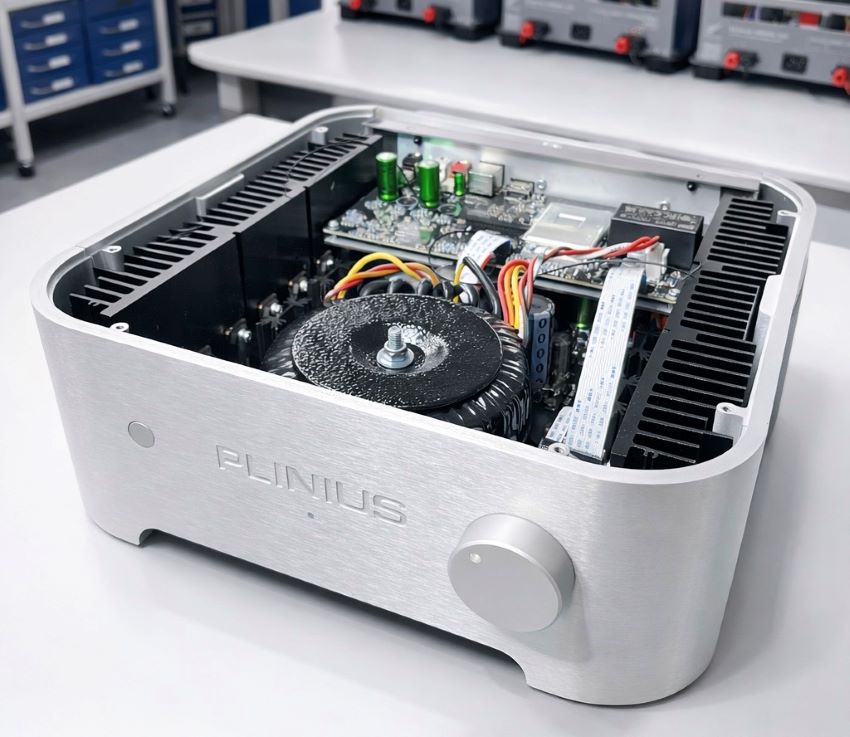
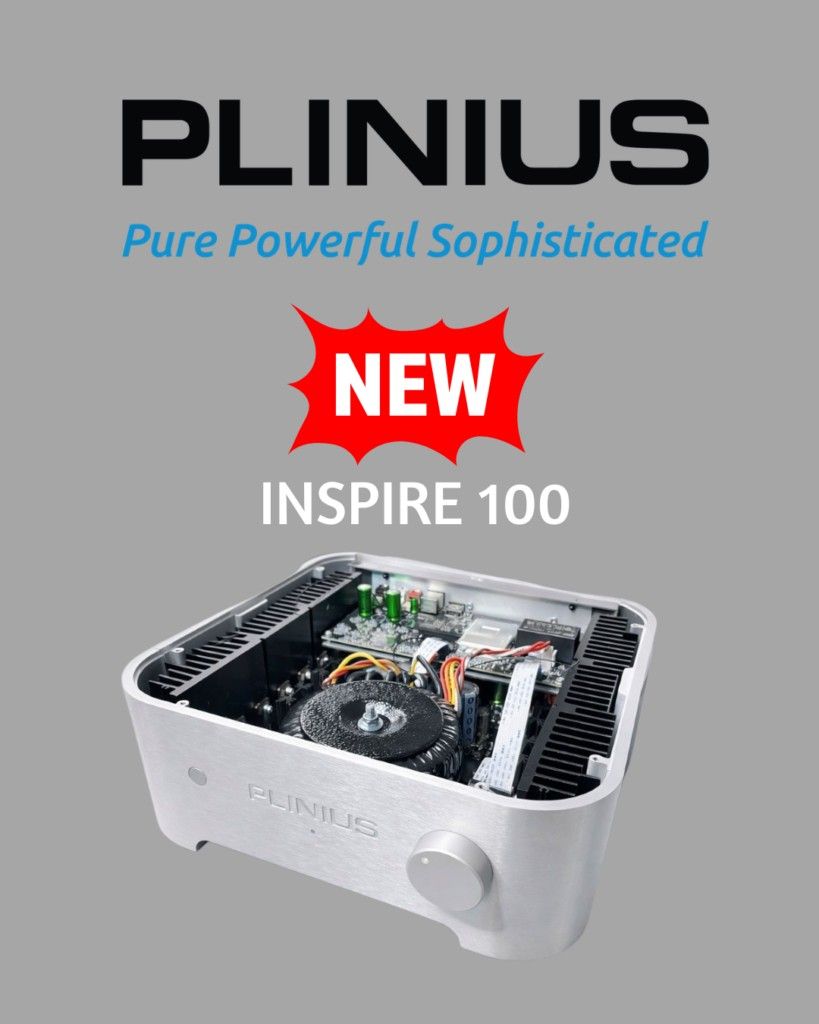
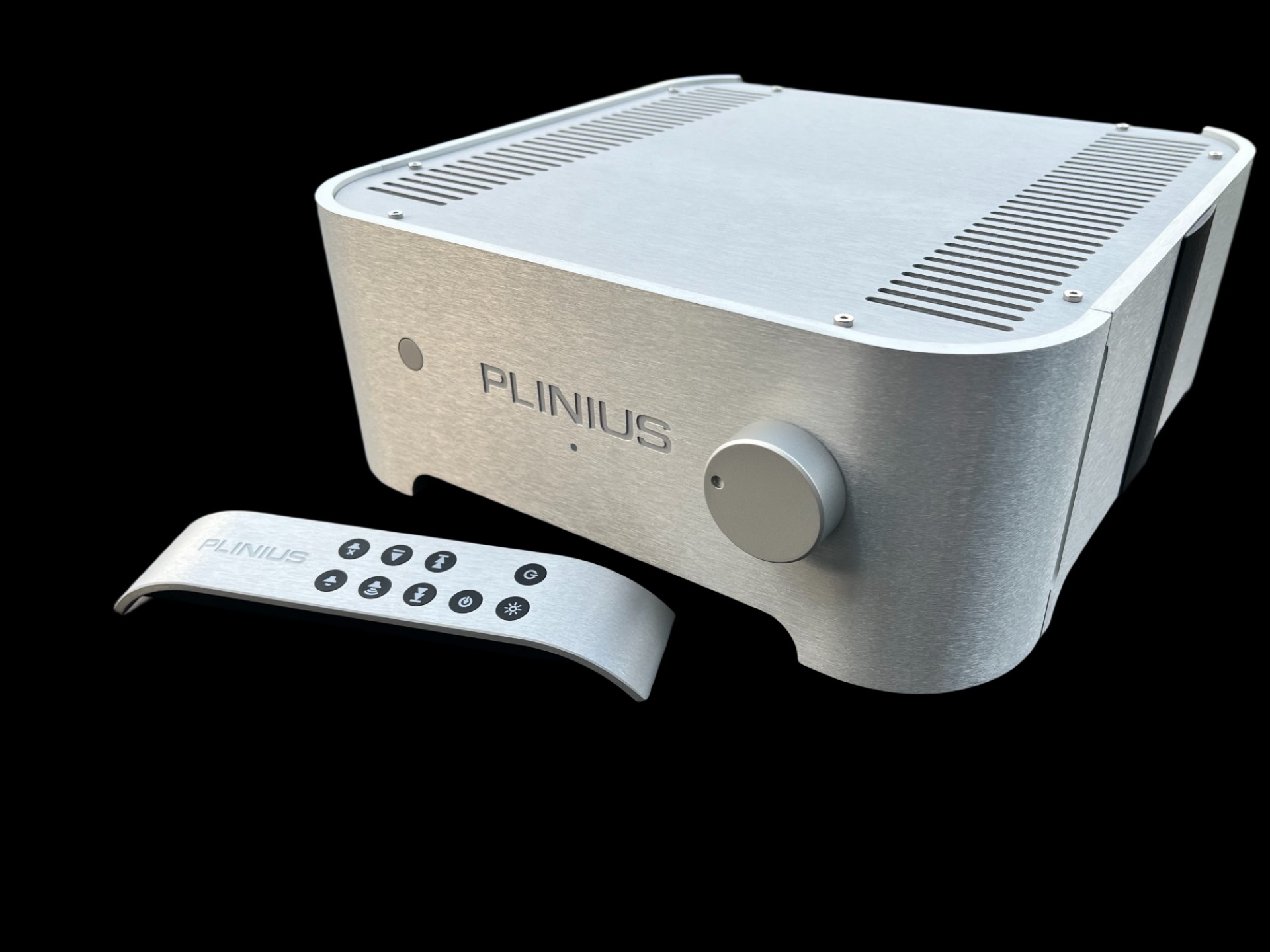
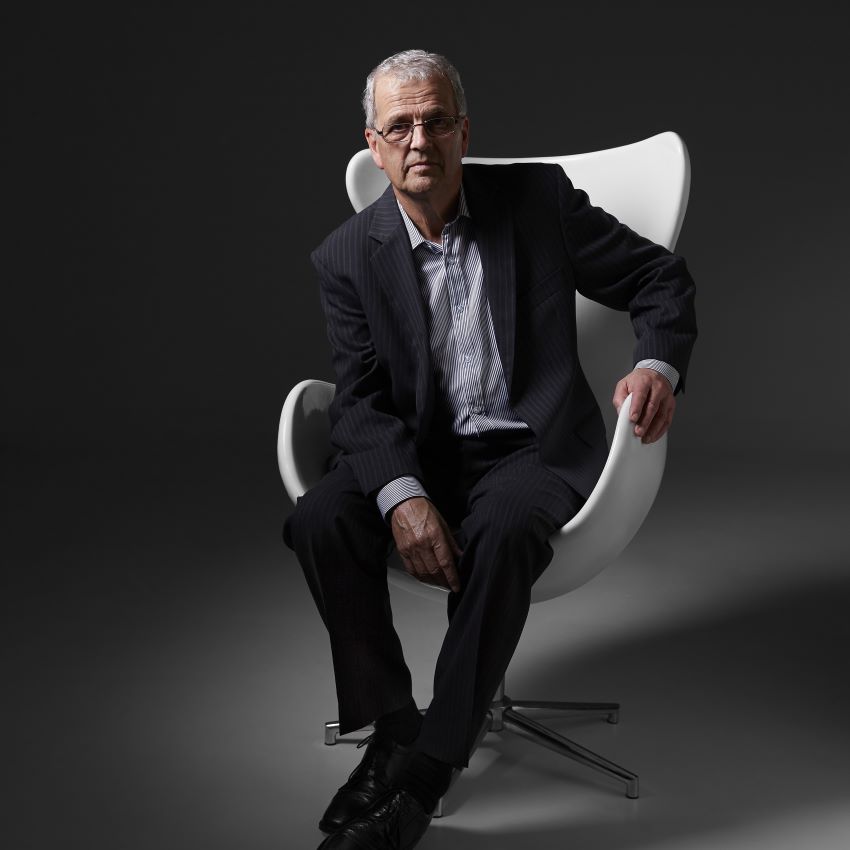
Not An Audiophile – The Podcast featuring Brian Willoughby, CEO and Managing Director of Plinius Audio. Made in-house with an eye for detail and an ear for quality, Plinius Audio releases the Inspire 100 Streaming Amp. The history of a high end brand stepping into the future.
Podcast transcripts below – Episode 052
TRANSCRIPT
Brian Willoughby: And so I knew what I was expecting to hear, you know, and I didn’t recognize it.
Andrew Hutchison: Is that right?
Brian Willoughby: Okay, the first few bars I was like, what’s he done? This isn’t it? Right? and you know, I said to Peter, peter, look, you should be selling shitloads more than you’re selling, man. You just have to get the people to listen to this.
DeVORE FIDELITY SHOW PARTNER
Andrew Hutchison: Devore Fidelity, the show partner of not an Audiophile the podcast Devore Fidelity has become one of the most acclaimed high end companies in the world. And having heard the loudspeakers many times, I know why they’re all still handcrafted in Brooklyn, New York. We love how this iconic brand captures the excitement and breath of the sound. Nothing brings you closer to the music than Devore Fidelity. For a retailer near you, visit devore fidelity.com.
PLINIUS HISTORY
Andrew Hutchison: And we are back. Not an audiophile the podcast episode 52
Andrew Hutchison: season 3 today we speak with the CEO of a very well known and quite long lived now electronics manufacturing concern in the south southern hemisphere, Plinius from New Zealand. Brian gives us a bit of a rundown on the history and how he ended up owning the company. But then we speak of this new model. Four odd years in the making. Why so long? When you find out what it does, you’ll know why.
Andrew Hutchison: Today we’re speaking to Brian Willoughby from from Christchurch I believe. Brian.
Brian Willoughby: Yes, that’s right, yeah. And Andrew, I’m pleased to be here and I welcome the opportunity you’re giving me to give a bit of background to your listeners, about the Plinius Audio company.
Andrew Hutchison: Yes, well we didn’t just pick you because you’re a random citizen, walking around Christchurch. It was because you in fact are the md, CEO of Plinius Audio I think is the correct title for the company.
Brian Willoughby: Is that right? Yes it is, yeah. Yeah.
Andrew Hutchison: You know I should know because my, my guesstimate is that the business has been around for not 50 years, but very close to it.
Brian Willoughby: Yep, that’s right. Yeah. It was started by Peter Thompson, who actually an Australian native, and he lived in Palmerston north in the North Island.
Andrew Hutchison: So I think Brad Serhan a, a regular, assistant, and guest host on this, on this marvelous podcast, if I say so myself, is a great fan of your original designer, Gary Morrison.
Brian Willoughby: Yes, well Gary was owned a company I think called Craft Audio originally.
Andrew Hutchison: Yeah.
Brian Willoughby: And he teamed up with Pete Thomson and I’m not really sure the date when that happened, but, it would be sometime in the 80s, I think. maybe the 70s. and no, not in the 80s. In the 80s, 1980s. and then Gary gave up the craft audio business and became wholly involved just as Plinius’s electronics designer.
Andrew Hutchison: And what, what, where does Plinius come from?
Andrew Hutchison: The name.
Andrew Hutchison: Is there, Is there a. Is there a.
Brian Willoughby: No. That’s an interesting story. Okay, so, Pete’s wife, is a lady called Voni And they were trying to think of a name for the company, M and they got a big map of the moon.
Andrew Hutchison: Right.
Brian Willoughby: And they picked the name of a crater on the moon.
Andrew Hutchison: Oh, okay.
Brian Willoughby: and so the idea was, you know, sound from out of this world.
Andrew Hutchison: Yeah, that works.
Brian Willoughby: Okay. Yeah, yeah, that worked. And we, when we went to Italy with it, the Italian distributor phrased, everything as Plinius because, you know, that’s the name of an old emperor. It was Pliny Elder and Pliny the Younger.
Andrew Hutchison: Indeed.
Brian Willoughby: and it was, launched as Plinius returns to Rome. Okay,
Andrew Hutchison: well, why not? They can do that. So.
Brian Willoughby: Yeah, yeah, that’s right.
Andrew Hutchison: And when you say, you took over, I’m guessing. So ownership passed from, from Peter. I’m guessing it’s 20 years ago or something. Is it. Or what, what sort of, what time has it been?
00:05:00
Brian Willoughby: Yeah, it was 2000, 2005. Oh, okay.
Andrew Hutchison: It was a pretty good guess. Yep.
MAKING THE DISTINCTIVE CASES
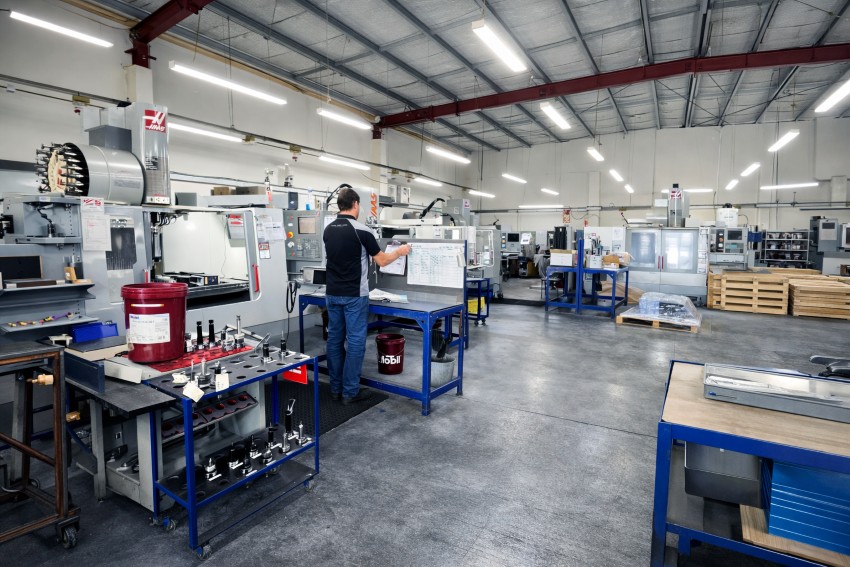
Brian Willoughby: Yeah. and that was, I think, the little bit of history we had just before that, actually would be helpful, for your listeners to understand. It’s a part of this story that I feel, really quite passionate about. Sure. you know, Pete and Gary were the typical manufacturers of really good, high quality, high end audio, in the 1990s, you know, 1980, 1990s era. and like most guys involved in this industry, they came to it really with a passion for sound, a passion for good music and a passion for, I suppose, you know, serious listening. and that was really what drove them. Yeah. and you know, when we got involved, our, the manufacturing part of our company called Contex Engineers, it was engaged by Peter to do the metalwork.
Andrew Hutchison: Yeah, okay.
Brian Willoughby: and so we had a strong relationship and you know, as you do when you are a contract manufacturer of middlework, you’ve got lots of customers. There are in all different types of industries, you know, everything from aircraft to the oil industry to radio communications and defense work. And in New Zealand we had several, customers, that were involved in making audio equipment. I’m not sure whether they’re very well known in Australia. Denco Audio was one. Yeah, yeah, yeah. And Perreaux
Andrew Hutchison: Well that rings a large, a large bell.
Andrew Hutchison: Yes.
Brian Willoughby: Right. And And so we, we were fortunate that by the time we got involved with Plinius, we actually understood the that you know, the specific requirements of the high end audio business. you know, just extremely high requirement for a good aesthetic finish.
Andrew Hutchison: Absolutely.
Brian Willoughby: yeah. And so we were already experienced because you know, as you can imagine if you’re just making middle bits, and it’s a, you know, and it’s a defense part, they’re not too worried about what it looks like if it’s going to get blown up real shortly, you know.
Andrew Hutchison: Well, hopefully it’s, I mean m. That’s a decent thought but I mean one hopes that with the use of the tool that you’re supplying the metal work parts, maybe they’re. That if it’s successful they’re maybe less likely to have it blown up. I mean. Yeah, but.
Brian Willoughby: Yes, I’m sure. Yeah. Right. Yeah.
Andrew Hutchison: Ah, the aesthetic finish of course as you say, has to look Well, I mean it’s got to be military spec.
Andrew Hutchison: Right.
Andrew Hutchison: It’s got to look kind of, kind of serious and and yeah. And functional. But But then I mean to some degree Plinius does look serious and functional. The styling that I guess you Your input into the company either before or after the, the ownership change and I’m not sure you’re going to tell me where the curved styling started. Whether that’s a hangover, that’s something Peter in cahoots with yourself come up with or is that something you brought on post?
Brian Willoughby: no. Well, well that, that. Yeah. Well yeah, I was involved in all that but it certainly wasn’t my idea. It wasn’t Contex’s or Plinius you know, the current company members idea at all. Okay. well how that all worked was when Peter got us involved initially, which would have been sometime in the. Probably, I think probably around 95, around 1995. Somewhere around there. He actually was struggling a bit with being able to get consistently good metal work. and that’s why he engaged us.
Andrew Hutchison: Okay.
Brian Willoughby: And we solved all of the manufacturing problems for him. and I think there’s an interesting sort of a lesson in there too. You know Andrew. you know there’s more than just loving the music, to make a successful company. and you, you have to pull together a lot of skills to make good audio equipment,
00:10:00
Brian Willoughby: you know, and I think you fully understand that. and not only that, but if you’re going to grow the thing, you’ve got to be using manufacturing procedures that are, you know, can be reactive when you get sudden big orders, can maintain the quality standard at all times, no matter how many you’re making. and can, you know, maintain, as I was saying before, you know, really maintain the aesthetic. Yes. and when you’re tiny, you can have a few key personnel who, sort of fully understand every aspect of it. Yes. It’s got to be within 0.2 of a millimeter on all these axes because otherwise the bloody thing can’t screw together properly. And that’s a royal thing, you know. Or. Yeah, and not only that, it’s got to look real good.
Andrew Hutchison: Yes.
Brian Willoughby: And then moving into the industrial design area, which is what you touched on before, you know, where did the rounded corners come from?
Andrew Hutchison: Well, I was just. Just to clarify something for those that are listening and going, Plinius Plinius. It kind of rings a bell. I mean that the styling is very particular. There is this fairly large, machined logo that you sort of tend to use. Plinius logo. And then you’ve got these radiused left and right corners. If you, if that’s the right description. yeah, quite a large radius. You know, I’m going to guess and say 30 mil or something or even a bit more that, you know, it’s.
Brian Willoughby: It’. It’s about It’s bigger than 50.
Andrew Hutchison: Okay. So it’s a pretty obvious statement. And Yeah, and. And it was. You started that, or maybe Peter started that at a time when really, you know, high end hi Fi was literally just large aluminium boxes. If you think of your, your Krells and even your slightly fancier, ah, sort of Levinson’s of the of that 90s era. Plinius suddenly stood out, with these these radiused corners. So, And it’s sort of a, sort of a slightly extruded look to it because the front, the top panel sort of laid in. Into that that area like rebated in. It was. It’s very, very striking. I remember seeing it the first time and going, wow, that’s in typical Kiwi fashion versus Australian manufacturing. It. It looks prettier than what we make here. So, And it does so. And it stood the test of time. Because as much as we’re going to talk about A new product in a minute. And it’s still that new product, has the same design, sort of styling keys. Design clues.
Brian Willoughby: Yeah, yeah.
Andrew Hutchison: So far away. So, yeah, get back to the, those radiuses.
Brian Willoughby: A really interesting thing happened. and this is where really I started to get passionate about Plinius, the brand M. Okay, so as part of, just being a good supplier of metalwork, we got to know the Plinius company really well. It grew to the point where it was about 15% ah. Of context’s whole manufacturing output.
Andrew Hutchison: Okay.
Brian Willoughby: and. And that was just the machined metalwork parts. Oh, no, sorry, no, no, I correct myself there. we supplied the sheet metal work as an artwork of it because one of the things we introduced to Plinius was they ordered off us, amplifier sets. So they would order, let’s say, you know, 10, 9002 hundreds or 9001 hundreds. Yeah. Or four in those days, what were they called? SA 250. So that was the big amp in those days. and so we supplied the whole set of kit and, and we were responsible for it all arriving up there correctly, you know.
Andrew Hutchison: Yeah.
Brian Willoughby: And that was a big leap forward that made a big differ to their ability to be able to respond. That was a really, important, step for plenty of now as a result of that, I was up there one time on a trip and I stayed with Peter and Bonnie one night. and for the first time I heard the Pliny music system playing because I stayed at Pete’s place that night.
MARCH AUDIO EPISODE SPONSOR
Andrew Hutchison: March Audio is a proud episode sponsor of the not an Audiophile podcast. With a mission to provide superb technical performance and exceptional sound at modest prices, Alan March has designed a range of power amplifiers, a preamplifier, and a selection of stunning loudspeakers that you should check out now and@marchaudio.com
00:15:00
HEARING PLINIUS FOR THE FIRST TIME
Brian Willoughby: and he said to me, well, pick something you like, Brian. and if I’ve got it here, I’ll. We’ll put that on for you. And I picked, Hotel California from the, you know, by the Eagles. and hell, freezes over lp.
Andrew Hutchison: Yeah, good choice, really. Even though these days we’re kind of hanging a fair bit of shit on
Andrew Hutchison: the Eagles,
Andrew Hutchison: we probably shouldn’t. They’re pretty talented musos to say the least. So. Yeah, now I’ve got a question. So anyway, but hang on before you record. Cd, dvd, what the hell was it?
Brian Willoughby: Yeah, yeah, vinyl.
Andrew Hutchison: Well, I was gonna say because Peter had a hell of a Collection of vinyl, didn’t he?
Brian Willoughby: He did. Huge. Absolutely huge. Yeah. And he’d been sent that lp. Ah. And it was in a. It wasn’t. It wasn’t in a, It wasn’t in a jacket. It was just in a. In a white sleeve.
Andrew Hutchison: Okay.
Brian Willoughby: Because he got it before. He got it before. He had that before it was officially launched.
Andrew Hutchison: Okay. Yeah.
Brian Willoughby: All right. And I. I didn’t know anything about that, of course, at the time. but why I particularly remember it is it was in this particular group of LPs, and he sort of had to fuss it through it all because, you know.
Andrew Hutchison: Oh, there’s no labeling. Yeah.
Brian Willoughby: He had to open everyone up to see which LP was looking at, you know.
Andrew Hutchison: Okay.
Brian Willoughby: And I can. I can tell you that for the first few bars, and I’d heard this played over and over and over and over because it was a favorite of my sons. Yeah. And I had a decent stereo set I. I had at that stage, I had a, a. A Robert set, which was one of New Zealand’s other, you know, amplifier manufacturers whose work we had done. And I’d purchased this Roberts.
Andrew Hutchison: Yes.
Brian Willoughby: Gear. from him. You see, he’s a local Christchurch manufacturer. And so I knew what I was expecting to hear, you know, And I didn’t recognize it.
Andrew Hutchison: Is that right? Okay.
Brian Willoughby: The first few bars, I was like, what’s he done?
Andrew Hutchison: What the hell is this?
Brian Willoughby: Right.
Brian Willoughby: And I, you know, I said to Peter, peter, look, you should be selling shitloads more than you’re selling, man. You just have to get the people to listen to this. Well, yeah.
Andrew Hutchison: Well, isn’t that what everyone in the industry says?
Brian Willoughby: Well, they do, Andrew. And it’s true.
Andrew Hutchison: It’s absolutely true. Absolutely. I mean, it’s. If you could force every single person walking down the street in a major capital city, like they do to force people through the gift shop at the end of a museum tour or something like that. If you could funnel people through a hi Fi shop, like people are funneled through the gift shop and everyone has to listen to, in this case, this Plinier system you heard for 30 seconds. I mean, you’d be. You’d be cranking the Cha ching ka ching on the register as they walked out, wouldn’t you? I mean, it’s,
Brian Willoughby: Yeah, yeah, yeah.
Andrew Hutchison: I mean, because that’s the thing. It’s not that people don’t want it. They don’t know it exists.
Brian Willoughby: No, that’s the one. But. Andrew, can I drag you back?
Andrew Hutchison: No, no, go back to the Demo. So you, you were gobsmacked, so to speak.
Brian Willoughby: And I was, yeah, yeah. And at that stage they didn’t have a remote control.
Andrew Hutchison: No.
PLINIUS AUDIO REMOTE CONTROL
Brian Willoughby: And I said to Peter, look, the team back at work, you know, they’ve all been watching your products get made and they all get to see the, you know, the brochures and all the rest of it. and there’s a really common thing that people say, well, why hasn’t it got a remote control? And typical of sort of high end audio guys at that stage. Well, just get off your ass, You know. So very, very shortly after this, I went to an industrial designer, a guy that I had a hell of a lot of time for m. and had done a lot of work with, you know, a real load. he, he was constantly bringing us new development work. and we had a really first class relationship. And I went and saw this guy, Stephen, his name was Stephen Allen, his name was. And I went to him and said, look, you know, I want to get a remote control for these guys and just show it to them, you know. And he, so Stephen designed me one up and it was called the grc. Ah, remote. Right, that’s what he called it. We stood for, Gucci Remote Control.
Andrew Hutchison: Yeah. Okay. There was its internal, product code.
Brian Willoughby: Yeah, yeah,
00:20:00
Brian Willoughby: yeah, that’s right. And, and, and Stephen designed it to be made out of a solid block of aluminum. And and and, and I knew that Pete would never want to pay for the cost of the industrial design, so I only charged him half of what Stephen charged me.
Andrew Hutchison: Yes. Okay.
Brian Willoughby: and, and then I put a bid on everyone, you know, to get my money back.
Andrew Hutchison: Yes, of course.
Brian Willoughby: and after a little while, Peter rang me up one morning, really excited. He said, hey look, Brian, I tell you what, we’ve had a dealer in New York ring us directly and say to us, he had a customer come in and saw the remote control on the on the counter. And said, hey, whatever goes with this, I want it. Wow.
Andrew Hutchison: Well that’s, that’s, that’s very interesting actually that you can sell equipment from the remote control. Which is a lesson to all of those manufacturers who give you that 22 Chinese special thing with your, with your $5,000 component, which is always a little bit of a letdown, I guess. But you know, but then at the same time it’s the thing that you touch, isn’t it? It’s as important as the volume knob, really.
Brian Willoughby: Well, and it’s a tactile experience. The same as you get when you put your vinyl on or.
Andrew Hutchison: Absolutely.
Brian Willoughby: Your favorite cd, isn’t it? It is, yeah. So anyway, I introduced, with that little weapon, I introduced Peter to the concept of industrial design.
STEREONET
Andrew Hutchison: Stereonet.com forums, classifieds, news and reviews, opinion pieces. Mark Rushton has built one hell of a website. Stereonet.com Take a look.
PLINIUS CASEWORK
Brian Willoughby: Today Gary had designed, a multi channel amp called the Odium and they were wanting to present that at ces. I can’t remember the year, I’m sorry, but I’m guessing it would have been around either late in the 90s or, or maybe as, maybe as late the year 2000, but somewhere around there. and Peter, Peter rang me up from Palmy and said, Brian, listen, you know, I’ve got it up. We’ve got a new product we want to show you. we want to bring it down to you and show you what it’s like to find out whether or not you, can make it.
Andrew Hutchison: Okay?
Brian Willoughby: And so I said, okay. So Ross and Peter came down, with this great big box, a big cardboard box. And when I say big, it would have been like, oh, 700 long, 500 wide and 400 deep.
Andrew Hutchison: Okay,
Brian Willoughby: yeah, quite a lump. And he opened this box up, rostered open this box up and pulled out this cardboard and fiber type of model.
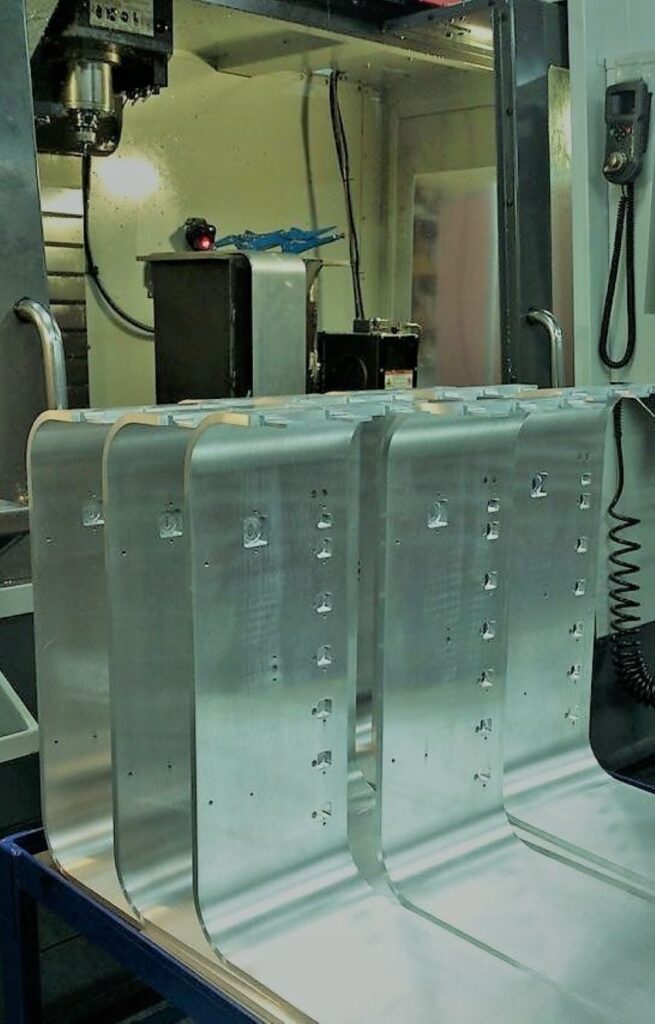
Brian Willoughby: That was the Odium. Okay. And it had these big rounded corners and it was a big wrap that would go a little way up one side, right around the corner, across the face, rounded on the other corner and right down the other side. Okay. So this piece of metal would have been, I can’t remember exactly, but overall it was like over a meter. I was going to say.
Andrew Hutchison: Yeah, yeah, probably meter and a half.
Brian Willoughby: 1200.
Andrew Hutchison: Yeah.
Brian Willoughby: Okay, yeah, yeah. And I just looked at this thing. Well, listen mate, we can make anything.
Andrew Hutchison: You said confidently.
Brian Willoughby: yeah, I said, yeah, I said I’ve got no idea, how much this is going to cost. And he said, I don’t care how much it costs. I want to know that you can make this. Yeah, okay, right. So, so that was where the rounded corners came from. That was Ross Stevens. Now just, just touch a little bit on industrial design. Sure. you know, just as a, you know, as a function. it’s terribly misunderstood. terribly, terribly misunderstood. Okay. And Ross was really, I would say he was aligned with the Philippe Stark school of industrial design, which means that it’s really all about what it looks like. And it doesn’t necessarily have to work. Right. and, and also, you know, it’s, it’s the manufacturer’s problem to work out how to make it, you know.
Andrew Hutchison: Yes.
Brian Willoughby: so,
00:25:00
Brian Willoughby: but I mean, you know, and I’m, I’m being terribly flippant and I, I, I hope Ross doesn’t hear this. but, and I don’t mean it as a criticism because that approach to industrial design has some validity. You need somebody that can think outside the box. It doesn’t just get stuck and stay with everything that everybody else is doing, you know, so that was a big step. Now what happened was, we made five before we got one good one.
Andrew Hutchison: Yeah.
Brian Willoughby: we experimented with several different ways of making it and in the end we made a machine to make it.
Andrew Hutchison: Oh, wow. Is that right?
Brian Willoughby: We’ve still. Yeah, we’ve got the machine here. and we still make panels with it, of course. and and we draw it. That’s the sort of, you know, technical term. Yeah, yeah. yeah. yeah, we tried bending, we tried forming, we tried, everything and we couldn’t get it to work. And in the end I was exasperated and I said, listen, can we draw it? and we drew the first one manually, which was a real wind up.
Andrew Hutchison: Is that like through.
Brian Willoughby: But anyway, it worked.
Andrew Hutchison: And then through rollers or what? What’s the.
Brian Willoughby: Yeah, yeah, you roll it around. A roller. With a roller.
Andrew Hutchison: With a roller. Yes.
Brian Willoughby: Yeah, yeah, yeah, yeah. So the outside part, you don’t drag it around. No, you, you know, it’s rolling as it goes around so it puts less stress on the outside. because what actually happens, of course, is that when you do it, the metal fails. Well, yes, structurally. The middle fails in the corners.
Andrew Hutchison: Well, you need a specific grade of aluminum, I guess, to get this to work at its best. Or did you not have to experiment with the kind of aluminum or what was the.
Brian Willoughby: Well, you’re already restricted with the grades of aluminum that you can use because you want it in an anodized finish.
Andrew Hutchison: Indeed. And it’s going to look the same as the rest of the case, I guess as well. Right, so.
Brian Willoughby: Yes, that’s exactly right. Yes. So, so then. Well, then we have a few problems which, you know, as I say, I don’t want to bore. You know, your listeners will be, I think, really very much more interested in audio than they are.
Andrew Hutchison: Oh, we’re going to get to the good stuff. We’re going to talk about this new model which is, you Know, all very exciting. Keep going.
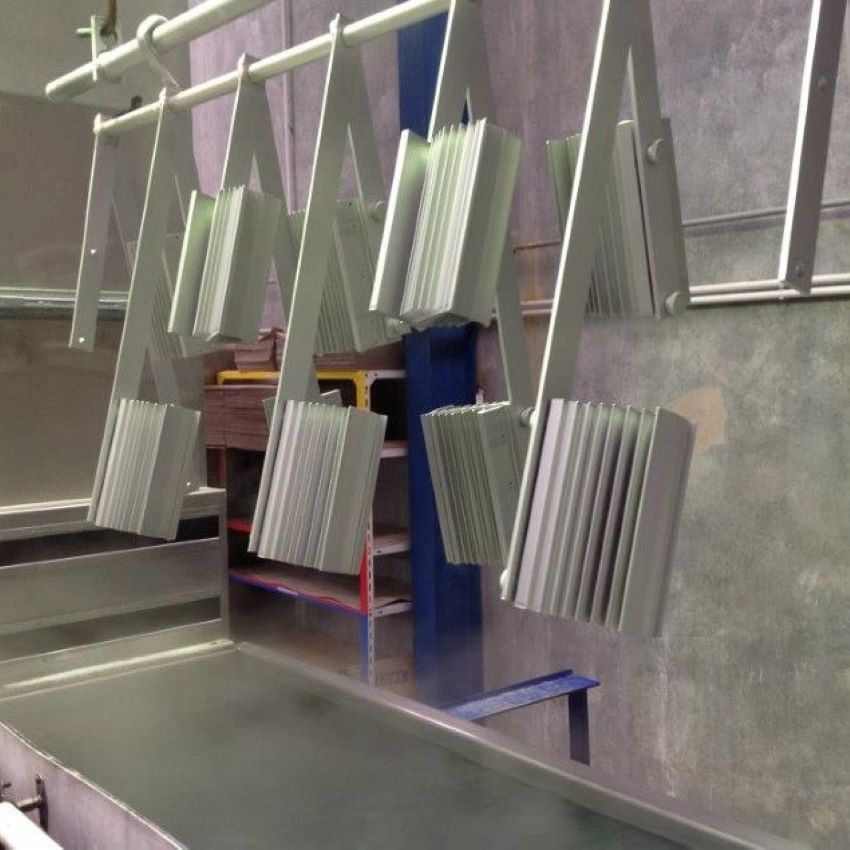
Brian Willoughby: so that, that gave us a. A shed load of problems when we made this thing because, we couldn’t linish it. Like all of the other product that we made for them was linished. And we couldn’t finish it because nobody could pick it up and drive it around a linishing wheel. and so we had to be Blaster. Yeah, we had to get rid of it around the outside. We had stress fractures where we, you know, where we drawn it.
Andrew Hutchison: Yes.
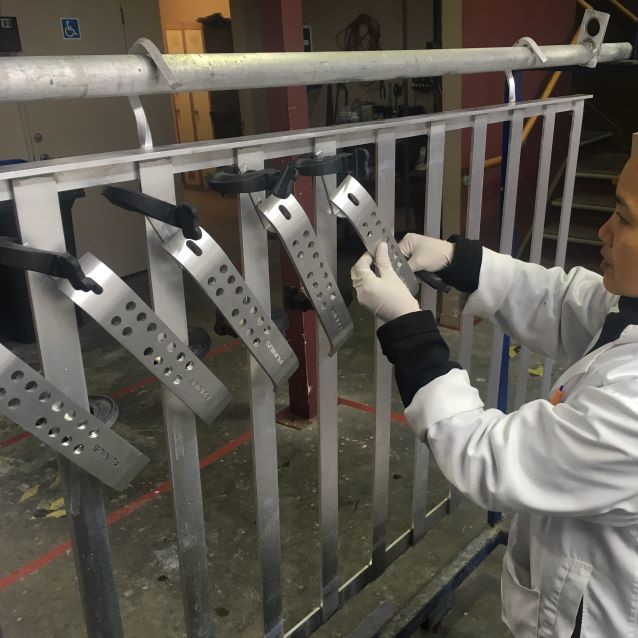
Brian Willoughby: And, and we had to get rid of them. So anyway, we, we then, be blasted the outside. and when you do that, that dulls it. And so of course, if you just anodize it, it looks awful. You know, it looks sort of gray and m. Dull and uninteresting. but, but we didn’t want to go to a powder coke finish. You know, we wanted that. And I guess to be honest, this would be a minor bit of input from, from our side, I guess, at this stage, you know, when we started to say, no, hang on, hang on a minute. We’ll press on. You know, and Ross would be saying, well, listen, if we can’t do it, we’ll the better part of code it. And we were going, oh, hang on a minute. We’ll find a way. Just, just back up that truck, you know. and, and, and we did, you know, we, we, we, we, we blasted it using a particular size bead and a certain amount of pressure and everything else. Yeah. we prepped to get rid of the stress fractures. and then, and then we anodized it because we’ve got our own anodizing plant here. Yes, of course, you have like
Andrew Hutchison: every hi Fi manufacturer.
Brian Willoughby: Yeah, yeah. Well, and, and the truth of it was we actually built the anodizing plant for Plenius. Oh, before I was.
Andrew Hutchison: Okay, all right, well, my gag goes sideways because. Because as you’ve already mentioned, the, the part of the company that, that makes metalwork, of course makes it for many other manufacturers, although I’m guessing not Fischer and Paykel anymore. But, Or do. Or do you still make some stuff for them?
Brian Willoughby: Yeah.
Andrew Hutchison: Oh, okay. Yeah, but they. And okay. So in fact, that’s very interesting. But. Yeah, but the point is that Plinius, their need for consistent, and high quality anodizing was what triggered the, the building of the anodizing.
Brian Willoughby: Yes, it was. Yes.
00:30:00
Brian Willoughby: Because, you know, when we, as we started to support Peter in the early days, we enabled him to fill his demand quickly. And from that his reputation for being able to supply good quality audio equipment on time grew.
Andrew Hutchison: Yes.
Brian Willoughby: Which grew his market. And then of course, that became a problem for us because we couldn’t buy the anodizing quality that we needed. You know, the reject rates were so high.
Andrew Hutchison: This is the problem.
Brian Willoughby: Ah, yeah, yeah. So. So, you know, like we. And this is the common. All of this stuff, the way it all comes together is actually really important, to our company. Really, really important.
MANUFACTURING IN-HOUSE
Andrew Hutchison: Well, it’s, it’s a, it’s a rarity. I mean, it’s, it is now officially. I mean, no one does it anymore.
Brian Willoughby: Right.
Andrew Hutchison: I mean you’re one of a few handfuls of companies in the hi Fi business actually making the product. I mean, on everyone. Everyone calls them manufacturers, but really they’re more brands to some degree, aren’t they? Whereas you.
Brian Willoughby: Yes, they are. Ah.
Andrew Hutchison: You know, whereas you make. You actually make.
Brian Willoughby: Yeah, yeah. We all, we make it all here. It is all made here in the Crosschurch facility. Well, and also, I’ll tell you what happens, Andrew. And again, this part is so misunderstood by the general public, and I don’t mean to use that, you know, badly, like, I mean by people that aren’t in manufacturing, is that they, all of the staff feel involved, you know, because they see the product going to the end, you know, you know, be a little bit. We’re there doing the anodizing. They know how important this is.
Andrew Hutchison: That’s right.
Brian Willoughby: You’re doing the learnishing or the bead blasting. He knows. Yeah, yeah.
Andrew Hutchison: Yes.
Brian Willoughby: At that stage it’s a fairly grubby operation.
Andrew Hutchison: Oh yeah.
Brian Willoughby: And you know, he’s got a mask on and heavily overall than everything else. But he knows how important it is that this bit gets done just right.
Andrew Hutchison: That’s.
Andrew Hutchison: That’s right. And that, and that is exactly what I’m talking about is the, the difference between literally and. I’m not having a crack at companies that make great sounding products that they have to make things remotely, if you know what I mean. They have to order in bits or maybe they don’t even screw the thing together. That that’s a place for all of that. But, but the power of what you’re doing is the fact that you do it all in one place. You empower the employees. They see that they are an integral part of the finished product and a very important part, as you say. And it just creates this. I don’t know, it’s kind of a, it’s a valuable vibe, but it’s Better than that. It’s just, I mean, you really are making something, you know, and when the person who puts it in the carton and it gets taped up and shipped away, I mean, literally everything came in as raw materials and component parts. In through one door and out through the other goes a finished product. And that’s like I say, it’s kind of a rare thing and it shouldn’t be underrated. It’s worth something to the, I mean, the owner. Because that, that pride continues to the owner, I think.
Brian Willoughby: Yes, yeah, yeah, I agree. And and then of course, with plenty of the guys get to hear it.
Andrew Hutchison: Well, yeah, yes, yes, indeed. Another.
Brian Willoughby: Yeah, no, there’s the source in it, you know.
Andrew Hutchison: No, it’s, it’s, a. Yeah, look, it’s. It. I guess it’s, I mean, hi FO Industries. Great if you can make money out of it. But even if you don’t, at least there’s a certain pride, right, to taking little. A box full of bits and, and turning it into this thing that lives. And so, yeah, yeah, it’s a, it’s a very nice thing.
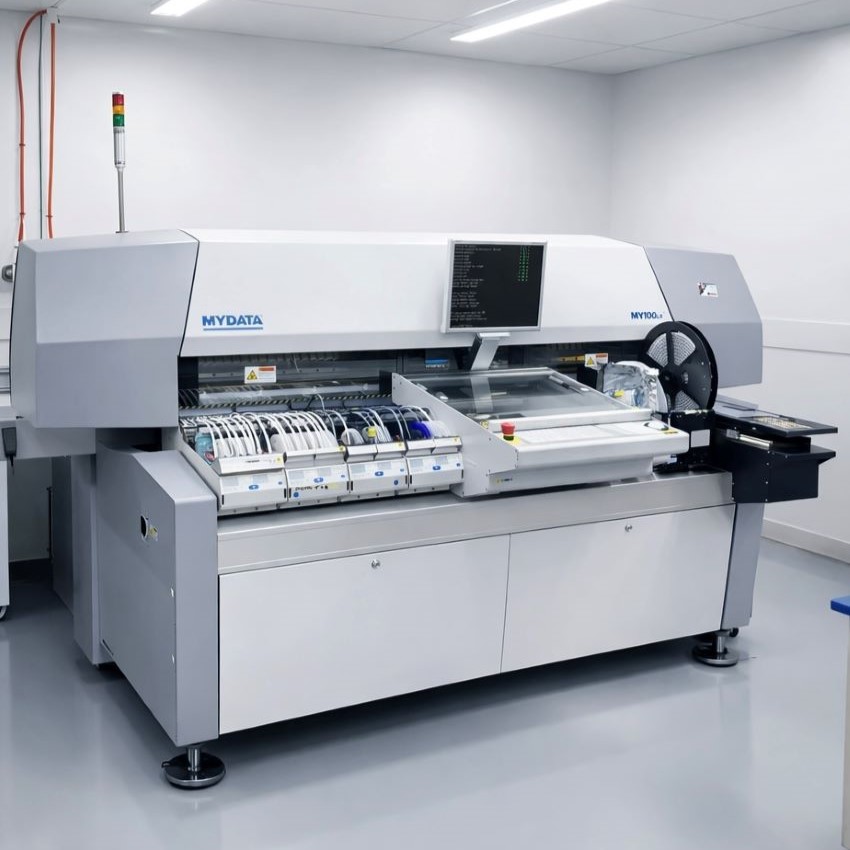
Brian Willoughby: And, and, and what’s also happened, you see, which is again, I feel really passionately actually, that, that what I’m about to say is, is, is not well understood or appreciated. first of all, there are really the people that operate the things like our CNC machines and drive the SMT line in the electronics area, run the anodizing plant. They’re very, very, very skilled people.
Andrew Hutchison: Yes.
Brian Willoughby: You know, they, you know, people tend to think you put it in a machine and then you go back in 10 minutes and take it out and you’ve got a done one. Well, there’s nothing like that. You know, there’s an endless amount of effort goes into controlling all the specifications, you know, all the measurement that you have to do, the way that you have to handle things in certain ways in order to always ensure they look right, that they don’t get damaged when they’re being shipped, etc. You know, it’s just endless, you know.
00:35:00
Brian Willoughby: and one of the great things that, that happens here in our workshop, is that, we’ve had lots of occasions when this has worked in both directions. we’ve had an industrial designer come in here and ask us to make something.
Andrew Hutchison: Yeah.
Brian Willoughby: Where we’ve gone, gee, we can do that. Yeah, but do you really want to do it? Because I, you know, because it’s going to be expensive. and they go, no, no, that’s what I want. Okay, all right. You give it a go. And then often what happens is, and I can tell you this, this, this what I’m about to tell you happened exactly like this on Plinius’s, current top of the range gear. Okay. Okay. This exact story. So what happened was an industrial designer came in and say, well, it done a certain way with the logo on a piece of laboratory equipment. And we were like, gee, I don’t know. But okay, we’ll give it a go. So we did it and it looked lovely.
Brian Willoughby: And then when we changed the fascias and everything, when the, what’s now the RA300, the RA150 and the RM10 pretty, that methodology went straight on to Plinius. We copied it from the lab equipment that we were making.
PLINIUS HIGH END PRICING
Andrew Hutchison: Okay, here’s, here’s an observation and it’s, and we’re going to take a quick break and come back and discuss it, but it feels like Plinius has got a, which you do. You have an enormous range of high quality, I guess, semi traditional hi fi components of the, well, what people are now calling the high end.
Andrew Hutchison: Right.
Andrew Hutchison: It’s you know, it’s certainly high end finish, but high end sound. And I don’t know about the price because I actually don’t know the price of a lot of it. But it’s not, it’s not inexpensive. But you have some very affordable, like you have an affordable integrated amplifier that I think looks like rather terrific value for money actually is. I think it sells in this country for around $4,000. and yet it’s made to the same standard as a, two channel power amp that costs, I don’t know, 30 or $40,000. Is that, is that true?
Brian Willoughby: Yeah, that’s it.
Andrew Hutchison: It’s a weird thing, isn’t it? Because most three $4,000 integrators these days are clearly made in China and made quite inexpensively. And yet you offer a product that’s built in the way that we’ve discussed for the last half an hour or so, at an entirely reasonable price point. But that’s not what I, that’s not where I was going. Where I was going is you have a new product and I would like to hear about it. So we’ll take a quick break, we’ll come back and talk about the
Brian Willoughby: yeah, the Inspire 100.
Andrew Hutchison: Let’s talk about it. Back in a sec. Brian.
THE HIFI SHOP
Andrew Hutchison: Find the sound of your life by crafting a quality stereo system with the hi fi Shop. Featuring all the brands you know and love. Rega turntables, Bowers and Wilkins loudspeakers, Exposure electronics amplifiers and CD players from the uk and of course, Sonus Fabar loudspeakers from Italy. The hi Fi Shop helps you create your sound. Visit the team@hifi shop.com au
PLINIUS NEW MODEL INSPIRE 100 STREAMING AMP
Brian, we
Andrew Hutchison: really should talk about the, Inspire 100. Have I got it right?
Brian Willoughby: Yeah, yeah.
Andrew Hutchison: M. You implied to me this is a long time in the making, this product.
Brian Willoughby: Yeah, yeah, yeah, yes. by the time this podcast goes to air, we’ll be just. Then we’ll be taking orders from the dealers in Australia and New Zealand and it will be, four and a half years.
Andrew Hutchison: Oh, wow. Okay. now it’s a step away, as I understand it, or a step towards the.
Andrew Hutchison: Towards the future.
Andrew Hutchison: you’ve integrated a lot of digital, compatibility, if you like, ideas, accepted practices, I suppose, of, of. Of some hi Fi equipment now into this tiny little box. Because what I didn’t realize when I first looked at the pictures you sent me was that it’s, not. It’s not your typical footprint.
Andrew Hutchison: It’s a bit smaller.
Brian Willoughby: Yes, yes. And you know, even that’s a bit scary for us. You know, what will the market think? We know we’re all used to thinking in a 450 wide rack, you know, and what will the market think? We’re not really sure. Of course, you can’t be. Although we have got good feedback about it all from the beta testers that we’ve had it out with since last this December.
Andrew Hutchison: Yeah, I guess you’re calling it a streaming amplifier or streaming integrated amplifier or
Brian Willoughby: all in one or what?
Andrew Hutchison: Do you have a particular title you want to. What a description,
00:40:00
Andrew Hutchison: I should say, for the Inspire 100. Is it a. What are you calling it?
Brian Willoughby: Yeah, when it says it’s a streaming integrated amplifier.
Andrew Hutchison: Okay. Simple as that. So, I got a couple of quick questions which you may or may not be able to answer. One thing I did notice was, yes, that there is clearly a sort of almost a slot or something. There’s a. There’s a few screws, a clearly an adaptable panel on the rear for the input. And. And there are output sockets, effectively because you’ve got a subwoofer socket on there. So it’s got. Yeah, it’s got one analog in. It’s got an arc HDMI in, it’s got an Ethernet connector, of course, but it does have Bluetooth and it does have WI FI as well. Is that correct?
Brian Willoughby: Yes, that’s right. Okay. So when you look at the side of it, and when you look at the side of it, Andrew, you’ll see that there are two, black plastic strips on the side.
Andrew Hutchison: Yeah.
Brian Willoughby: and hidden inside there, behind there, is the, antenna.
Andrew Hutchison: Oh, okay. Yes, of course. Yeah.
Andrew Hutchison: For the Bluetooth.
Brian Willoughby: Yeah. Oh, and the wifi. Yeah. That gives you WI fi communication.
Andrew Hutchison: Yep. Okay.
Brian Willoughby: and of course, you know, Ethernet connector is preferred. You know, if you do have it, it’s a bit more reliable than wireless. and, and you know, less likely to get corrupted or distorted.
Andrew Hutchison: Indeed. So you’ve got that. So it’s not, it’s not, it’s not overloaded, with inputs. Is there some design thoughts on. Because a scenario I see is you plug your TV into the, the arc.
Brian Willoughby: You. Yeah.
Andrew Hutchison: Plug in your turntable via maybe a phono preamp. Or perhaps your turntable has a built in preamp into the line end.
Brian Willoughby: No. Yeah. If you, if you’ve got a turntable, you’ll need it to already have a, you know, a separate phono stage.
Andrew Hutchison: Oh, yeah. You know, outboard phono stage. Yeah. I realize it’s just a line in. So you’ve plugged, so you’ve got your turntable in there, you’ve got your TV plugged in there. But where are we plugging in? Say, I don’t know, heaven forbid, a CD player. What’s, what’s the.
Brian Willoughby: Yeah, yeah. Well, you, you, you have to choose. You’re gonna have to choose. That’s it.
Andrew Hutchison: Well, it’s. And, and the reason why I bring this up is because actually most equipment has so many unused inputs. It’s ridiculous. Right? It’s kind of, it’s kind of silly. But what I’m driving at is that is I feel like this fits into is one part of a new range that you’re not telling us about because you probably have one that’s got more inputs. But, there’s a couple of other things that immediately. Okay, I noticed the footprint. It’s 300 wide instead of your 450 or whatever your normal, components are.
Brian Willoughby: Yeah.
Andrew Hutchison: It still weighs a ton though. It’s 10 kilos for a small box. That’s a pretty solid little lump. And, and that’s partly because it’s still class AB power amplification.
Brian Willoughby: Yeah, yeah, that’s right. So it’s got a big transformer inside.
Andrew Hutchison: Yes, indeed. But was. So two, so two questions. Two other things I noticed. One thing is. Well, not so much I Noticed. But why the smaller footprint? That’s a question I’ll let you answer in a sec. But the other one is that there is an indicator on the volume pot knob indicating maybe that it is a volume pot and not a rotary encoder. Have you got.
Brian Willoughby: That’s right.
Andrew Hutchison: So it is a volume pot. Motorized pot. Okay. So my question is because the thing that we’ve forgotten to mention is that obviously there’s an application that you stick on your iPad or what have you to. To run this, I’m assuming. I know there’s a remote control, but is it. Well, is there an app? That’s the question I should ask.
Brian Willoughby: Yeah, there is an app. Yeah. Okay. Yeah, yeah. But the way that we’ve gone about this, and this is all part of kind of our, real design ethos. this is designed, for people that will, you know, will be happy to choose either vinyl or synthetic.
Andrew Hutchison: Sure.
Brian Willoughby: Okay. So you know, they’re not going to be. This isn’t really going to be an Audiophile file type product.
Andrew Hutchison: No, no.
Brian Willoughby: If they’re wanting to have a huge variety of inputs. Yeah. Okay. Yes. so, and I mean, you know, Andrew, we don’t really know how successful this is going to be.
Andrew Hutchison: I know it’s going to be very successful, Brian. It’s. What are you saying?
Brian Willoughby: I mean, we’re really, really hopeful.
Andrew Hutchison: You told me you’d already made 12,000 of these things and had them sitting in a warehouse, so it’s going to have to work. Yeah, yeah.
Brian Willoughby: Happy day. Yeah.
Andrew Hutchison: yeah, there is no choice.
Brian Willoughby: We’ll be like the lady making the name ones, you know, eight a day we’ll be.
Andrew Hutchison: Yeah, well, I think, you know, I think at eight a day you’d, Well, I mean you sell those easily. I mean it’s. But I just, I like the fact that it’s a volume control, not a rotary encoder. But I want to, I want to understand maybe a little bit of why
00:45:00
Andrew Hutchison: and how that fits in with the app. But, and, but also like I say, the case size, why did you think that you should. Is it because it’s not a audio, ah, file product as such.
Andrew Hutchison: It’s.
Brian Willoughby: It is because you can make it that small. Yeah. Okay. When you use SMT equipment. Yep, yep. It was confined, by the, by. We wanted to. No, no. So on these products it’s got the same, you know, radius front. Yeah, yeah. and, but we wanted to get that out of an extrusion and when you do that you get Limited by the size of the dyes that are available.
Andrew Hutchison: Yes, yes, yes.
Brian Willoughby: And so, you know, it’s like that business of, you know, the the Apollo aircraft is two horses asses across.
Andrew Hutchison: Yes.
Brian Willoughby: The diameter of it is restricted by the width of two horses asses because it had to be carried on a railway line from where it was manufactured to the west launch site. And all of the tunnels were actually designed, being hauled by two horses.
Andrew Hutchison: Yeah. Okay.
Brian Willoughby: Yeah. Right. So anyway, the die size, dictates how wide it is and then that gives you lots of engineering problems because, you’ve got to get the heat out of it. It’s class ab.
Andrew Hutchison: Yes.
Brian Willoughby: and you need them. You know, there’s a few tricks in doing that. and then you’ve got to get it to fit and you can if you use SMT technology.
Andrew Hutchison: Indeed.
Brian Willoughby: So that sort of is why you end up with that.
Andrew Hutchison: No, it’s it’s. Well look, I can see what you’ve tried to do. Oh, you are doing. It’s not a matter of trying. You’ve spent four and a half years trying and now you’ve succeeded. Is, is, yeah, it’s a bit of a do everything box that clearly has a lot of the trickle down fidelity and you know, obviously musicality and wonderful, lively, exciting sound. People are not familiar with the Pliny of sound. It is quite, invigorating, I guess is the word. It’s.
Brian Willoughby: It’s not. It sounds delightful.
Andrew Hutchison: Yes.
Brian Willoughby: Yeah.
Andrew Hutchison: It’s exciting. It’s an exciting sound.
Brian Willoughby: Right.
Andrew Hutchison: I think. Is that, is that a fair thing?
Brian Willoughby: Yes. Yeah, yeah, yeah. I mean, interestingly enough, you know, our senior tech, who is the final pair of ears that hears everything that leaves the sound room, you know, after it’s all been gone through all its other testing.
Andrew Hutchison: Yes.
Brian Willoughby: about a year ago I was just talking to him and I said to him, you know, I keep getting this question from in customers, you know, which amp do you like best the sound of? And he said, well, I’ll tell you what mate, it’s a wee bit embarrassing I guess, but I like the sound of the little one there. Yeah, that’s.
Andrew Hutchison: Oh yeah, this.
Brian Willoughby: Yeah.
Andrew Hutchison: Well, we won’t talk about that.
Brian Willoughby: Right.
Andrew Hutchison: But.
Brian Willoughby: No, it is. Well, but I mean, what happens to you see, Andrew, and I’m. I know you’ll be really aware of this and a lot of your listeners will be aware of this is that you get each of us, when we, when we, when we experience a new type of sound. It’s Always interesting. And.
Andrew Hutchison: Yeah, a bit of that.
Brian Willoughby: You know, if it’s different, you’ll pick it up, won’t you? You know? Yep.
Andrew Hutchison: Yeah, there’s this. There’s a.
Brian Willoughby: And that’s all. That’s all part of the. That’s all part of the, you know, the mystery and the art and the loveliness of being involved in the music industry. You know, that’s. You can rejoice in that part, you know, while you’re slogging it out and working hard to make all the bits come together properly.
Andrew Hutchison: Yes.
Brian Willoughby: you know, and you’re coping with people changing the way they’re going to deliver their goods to you and you’re doing all of that nonsense. Well, at least it bloody sounds good. You know, there is that. You can turn one on.
Andrew Hutchison: Yeah, well, that’s right. At 5:00 in the afternoon, you go, right, now, let’s remind ourselves the reasons why we’re here all day.
Brian Willoughby: Yeah.
Andrew Hutchison: Turn this thing up loud. I, Yeah, you’ve, you know, you’ve had a product that’s got an app already. So this, the app that controls this unit is an expansion or a.
Andrew Hutchison: Or a version.
Brian Willoughby: No, it’s a different app. Oh, it is really, you know, we. Yeah, it’s a different app and we only want you to use them when you set it up. we want you to use a remote control after that.
Andrew Hutchison: Okay. And so you use a remote control in coordination with. I mean, if you want to play. If you’re streaming Tidal via Tidal Connect, which I should mention that your. There is a streamer built in. It has a number of compatibilities, you know, Tidal being one of them, and presumably Spotify is another. yeah. but the gist of it is to control this new Inspire 100, you are using the supplied remote, which looks uber cool, I should mention. It’s very, very nice, very elegant.
Brian Willoughby: It’s a real. It’s a real remote, Andrew, isn’t it?
Andrew Hutchison: It certainly is. And of course, it’s not quite as hefty as some of the other models that you can use to deal with burglars, but, it’s, it’s solid nonetheless. Clearly made from aluminium and the, And so,
00:50:00
Andrew Hutchison: you’re using sort of your phone in one hand or your tablet in one hand and the remote in the other. Is that. Is that it?
Brian Willoughby: Yeah, I mean, you, you know, it’s like Spotify Connect and Tidal Connect. so you are, you, you know, you can, you can. Your Friend can come around. and with his, you know, with his phone, he can use his phone and he’ll get amplification through the thing, you know, through the Inspire 100.
Andrew Hutchison: Yes.
Brian Willoughby: and you can use, Spotify Connect or Title Connect, direct from the, from the Inspire. now the. You know, you’re right, I’m not the technical guy. but what I can tell you is that one of the problems the guys had to overcome was, you see, you’re right, you can control, the amp volume, off your phone or through the app or with the knob. And there are a whole lot of rules associated with that, that you have to comply with.
Andrew Hutchison: Yeah, yeah.
Brian Willoughby: You know, Spotify insists that you do it a certain way. Yes. And then you’ve got to make all the code that you’ve got in your product cope with those requirements as well. Oh, yeah, yeah.
Andrew Hutchison: I can see where the four and a half years went. You know, it’s. Yeah, I feel like four of the four and a half years was just making Tidal and Spotify work.
Brian Willoughby: But, for people that are going to buy, you know, spend five grand on this thing, they.
Andrew Hutchison: Hang on. Just, just, just stop for a second. This thing. You said they’re going to spend five grand on this thing. Sorry, the Inspire 100.
Brian Willoughby: It’s going to retail, at about five grand.
Andrew Hutchison: Oh, wow. Okay. So it’s very sharply priced.
Brian Willoughby: Wow. Okay. Well, yeah, I’ll tell you, it’s tough getting it to the end, you know, and find some way to recoup your. Yeah.
Andrew Hutchison: I have to say, I don’t even know where I. In my head it was. It was 8 or $10,000. I don’t know. So that’s, that’s a genuine surprise.
DEVORE FIDELITY A GREAT STORY OF QUALITY MANUFACTURING
Andrew Hutchison: Hey, if you love a good story of a wonderful piece of hi fi equipment and how it’s produced by a team of talented staff who have a real sense of pride in the, in the product that they create. It’s almost like they’re delivering a baby every time they pop one in a box and send it off to a dealer, then, you might want to check out Devore Fidelity episode 38. John explains in some detail how they keep as much as they can in, in house and, both design and produce those wonderful wide baffle loudspeakers and the narrow baffle ones.
Brian Willoughby: Ah.
Andrew Hutchison: In, in New York. So check that out. Episode 38. Also a great story of how you Go about making things with real pride
Andrew Hutchison: and the spin off benefits of that
Andrew Hutchison: longevity, pride of ownership and wonderful performance. That extra last little bit of performance that comes through from real care being taken.
Brian Willoughby: What will happen going forward. This platform, it’s a platform we’ve done, you know, it’s, we see it only as one product when it comes out of course, but the technology that we’ve put into this product will migrate into other products.
Andrew Hutchison: Yeah. Yes indeed. Yep. Yeah. The hard work, the hard work is done. It is, it’s hugely exciting and there’s a very, there’s a. Not only, I mean you’re a bit of a pioneer there really because you’re not only you’re making vast majority of the product itself, are you making it to completion?
Andrew Hutchison: Of course.
Andrew Hutchison: But you, you you’re doing something with the streaming platform that very few small to medium sized manufacturers are brave enough to to enter into that realm. Sensible enough and yes, yes, sensibly, you know that now.
Brian Willoughby: Sensibly avoided.
Andrew Hutchison: Sensibly avoided. look Brian, it’s been an absolute pleasure. I mean I love to hear these stories where you actually make something. it’s always interesting how you, I mean how you got past all of the problems and you’ve alluded to many of those. and they’ve been, you know, goals achieved, the thing works. It sounds amazing. The product exists, it’s in a box and it’s been sent to dealers. And most importantly these new Inspire 1 hundreds are leaving towards heading to dealers as we, as we speak almost. But certainly this podcast is up very soon so they’ll be on their way and so people can go looking on the Internet and they will find it. and then later in the year
Andrew Hutchison: they can hear it obviously.
Andrew Hutchison: although obviously if they buy one they can or go to the store in question that has them, they can get a demo in the next few weeks one would presume.
Brian Willoughby: yeah, that’s right.
Andrew Hutchison: Thank you. Yeah, so it’s, it’s out is basically the news. thank you so much for your time. Thank you for this very in depth chat. there’ll be those that are particularly I guess those that have owned a Plinius product will be reveling in the exposure of how you got different things, how, how they came about I guess over the years and we will speak again soon and if, if not on
Andrew Hutchison: the phone, perhaps in person at Melbourne.
Brian Willoughby: yeah, well look, Andrew,
00:55:00
Brian Willoughby: thank you, thank you very much. Andrew, for asking me on board. you know, you put the marketing stuff out there in the form of brochures and you sort of cast it upon the seas and hope that you’ve got the right network to sell it. And there is an interesting story behind it and there’s very little opportunity to share it. And I love sharing it. It’s a lot of fun. I’ve enjoyed the conversation today, I can tell. And I hope that you know, this generates interest for you on your platform as well. Because, I do think that the sorts of. Well, you know, I’ve listened to some of your other work and I know that you have a really genuine interest in all this stuff and, and sharing that and helping people, helping people get to it, helping people. Listen, you know, like I said to Peter that day, God, Pete, you’ve just got to get people to listen to it.
Andrew Hutchison: Surely M. It was the, it was one of the most. I mean it’s such an obvious thing. I mean the fact that Peter allowed you to hear, you know, his, his product and it was just, I mean it was at another level to what you were used to. I mean it’s, it’s, it’s, it’s. I mean I’ve been in this business forever, right? I mean, you know, since I was a small child. And it is, it is the bane of the hi Fi industry. How do you get more people to experience what it can do and in a great way and like I said before, I think the way to do it is to actually have the, you know, the footpath goes of the main street of town, go through the hi Fi store, as I use the example, much as people are forced to go through the gift shop when exiting the you know, xyz, you know, gallery, museum, what have you. Hey, thank you. Thank you, Brian Willoughby, for coming on the show and telling us, giving us some of the inner details of what what has gone on and what is still going on at Plinius in Christchurch. what can I say? Thank you. Thank you, Brian.
Brian Willoughby: Thank you, Andrew.
Andrew Hutchison: An absolute pleasure.
Brian Willoughby: Bye. Bye.
00:57:06